When Should PPF Be Replaced Instead of Repaired? Peeling, Cracks, and Repair Costs
Paint protection film (PPF) helps protect automotive paint from road debris, minor abrasions, and everyday environmental exposure. However, damaged or aging film may eventually require professional attention. Understanding when to repair or replace PPF can help vehicle owners avoid unnecessary expenses while maintaining effective paint protection.
PPF generally needs replacement when it develops widespread peeling, cracking, persistent discoloration, or damage that compromises the protective film. Minor surface marks or limited edge problems may be manageable without replacing all the film, depending on the product and its condition.
For drivers in Dayton, OH, a professional inspection can determine whether localized attention, panel replacement, or broader replacement is the most practical option.
PPF Repair vs. Replacement: How to Assess the Damage
Not every mark or damaged section requires complete PPF replacement. The appropriate solution depends on the type of damage, its location, and the condition of the surrounding film.
Some minor surface marks may improve through the self-healing properties found in certain PPF products. However, deeper cuts, punctures, and significant deterioration generally cannot be corrected through self-healing.
When assessing damaged PPF, consider the following:
- Surface marks: Minor scuffs may improve without replacement if the film supports self-healing.
- Lifting edges: Limited adhesion problems may qualify for professional attention, depending on their cause and severity.
- Cuts or punctures: Damage extending through the film may require replacing the affected section.
- Widespread deterioration: Significant cracking, peeling, or discoloration may justify replacing multiple sections.
A qualified installer should inspect the existing film before recommending a repair or replacement.
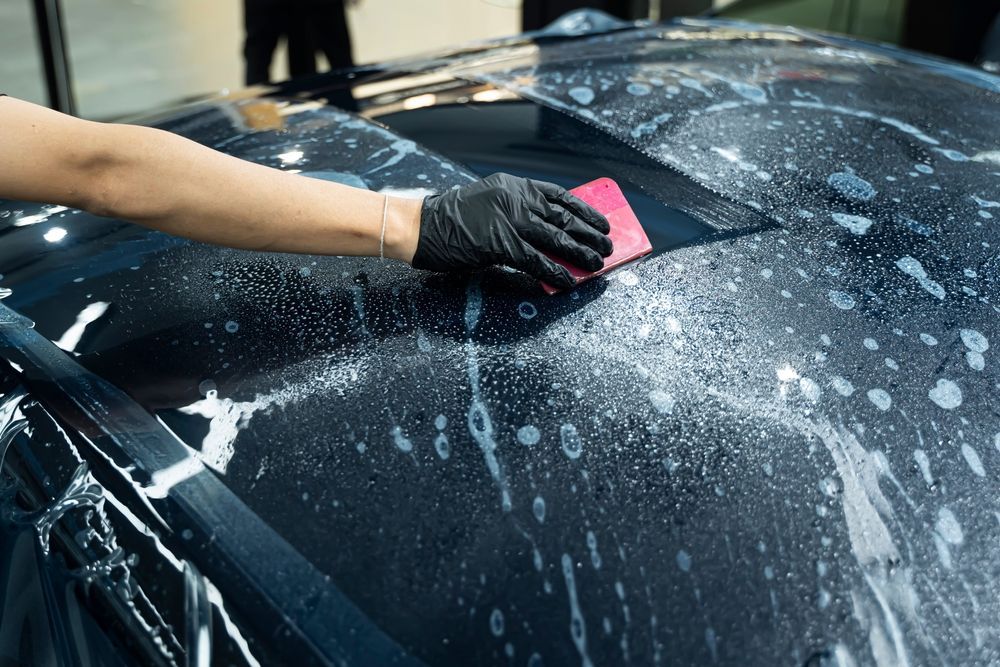
When Peeling PPF May Require Replacement
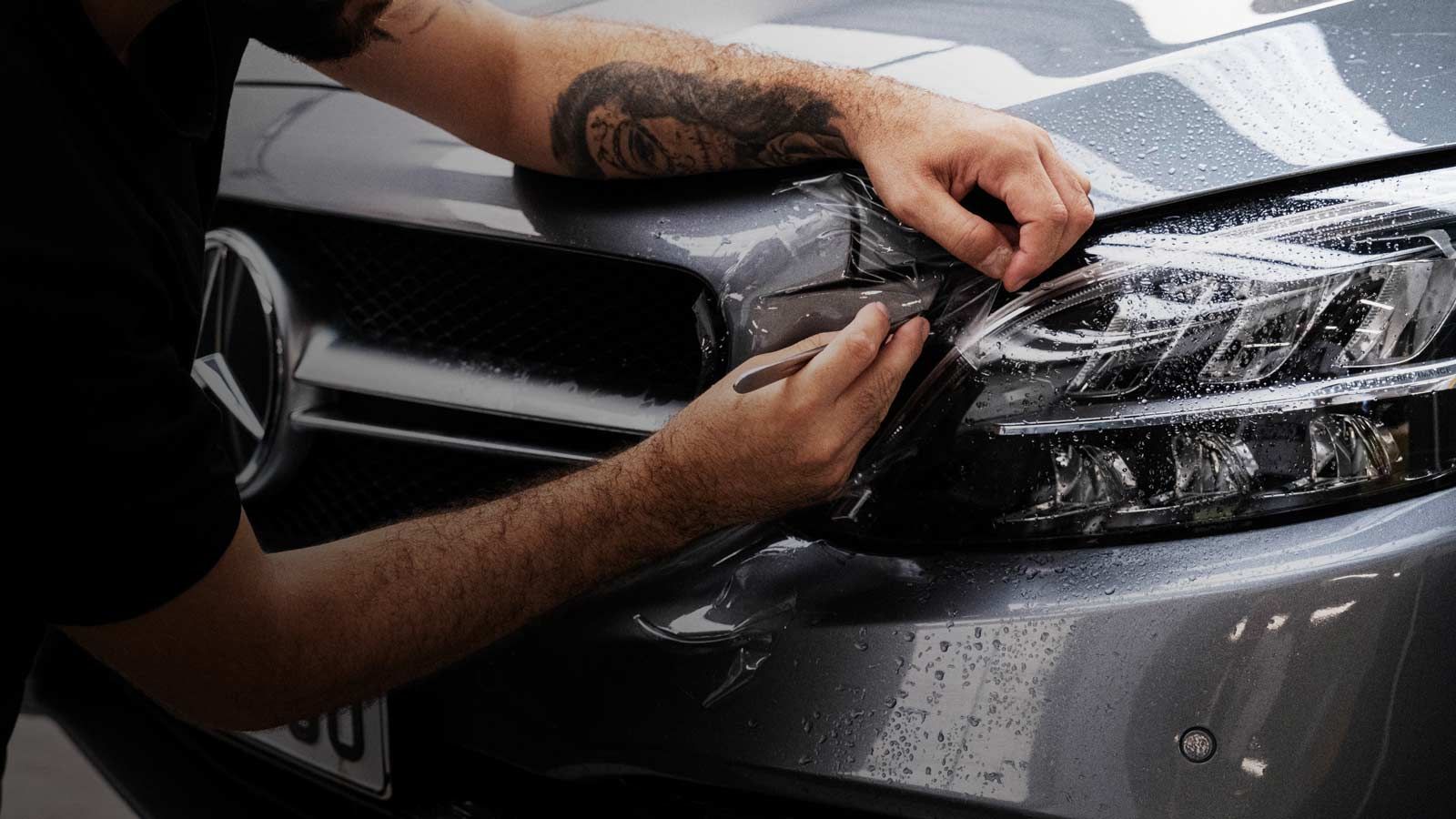
Peeling is a common reason vehicle owners consider replacing paint protection film.
A small lifted corner may indicate a localized adhesion issue. However, peeling across multiple edges or larger areas can suggest that the film is no longer securely attached.
Once edges begin lifting, dirt, moisture, and road contaminants may accumulate beneath the material. These conditions can make reattachment more difficult and affect the film's appearance.
Avoid pulling, trimming, or applying household adhesives to peeling PPF. Improper handling can stretch the film, complicate removal, or damage surrounding surfaces.
An experienced installer can determine whether the affected area is suitable for correction or whether replacement is necessary.
Vehicle owners should also review applicable manufacturer and installer warranty terms. Coverage for adhesion problems varies depending on the product, installation conditions, and cause of failure.
Yellowing, Cracking, and Loss of Clarity
Persistent yellowing, cloudiness, and cracking can indicate that paint protection film is deteriorating.
Although minor surface contamination may sometimes affect appearance, permanent discoloration or structural damage generally cannot be resolved through ordinary washing.
Inspect the affected film under consistent lighting and compare it with nearby panels. If discoloration is limited to one section, replacing that panel's film may be sufficient.
When several panels show similar deterioration, broader replacement may provide more consistent appearance and protection.
Cracking is particularly concerning because it can compromise the film's protective function.
Dayton-area vehicles experience changing seasonal conditions, including winter road salt, road debris, and summer sunlight. Regular inspections can help owners identify visible film problems before they become more extensive.
Can Scratched or Damaged PPF Be Repaired?
Some modern paint protection films feature self-healing top layers designed to reduce the appearance of light surface marks.
However, self-healing performance varies by product and does not repair every type of damage.
A minor surface scuff may improve under manufacturer-approved conditions. A deep cut or puncture extending through the film cannot self-heal and may leave the underlying paint exposed.
If damage affects only one panel, replacing that panel's PPF may be more practical than removing protection from the entire vehicle.
Localized patches are sometimes possible, but they can create visible seams or differences between new and existing film.
Before choosing a repair approach, ask whether the original film is still available and whether the new material will match the surrounding installation.
Professional inspection is especially important when the damage may extend into the paint beneath the film.
PPF Repair Costs vs. Replacement Costs
PPF repair and replacement costs depend on several factors, so there is no universal price that applies to every vehicle.
The extent of damage, panel dimensions, film type, labor requirements, and difficulty of removing existing material all influence the final estimate.
A small localized issue may cost less to address than replacing film across an entire hood or bumper. However, some defects cannot be reliably repaired, regardless of their size.
When comparing professional estimates, consider:
- Repair scope: Whether the proposed work involves an existing edge, a localized patch, or complete panel replacement.
- Film removal: Whether removing and disposing of the old material is included.
- Surface preparation: Whether cleaning or paint correction is necessary before new installation.
- Material quality: The type of replacement film and any applicable warranty coverage.
- Labor requirements: The complexity of the panel and installation process.
Request itemized estimates so you understand what each service includes.
A standard PPF installation package price should not automatically be treated as a replacement estimate because removing older film and preparing the surface may involve additional work.
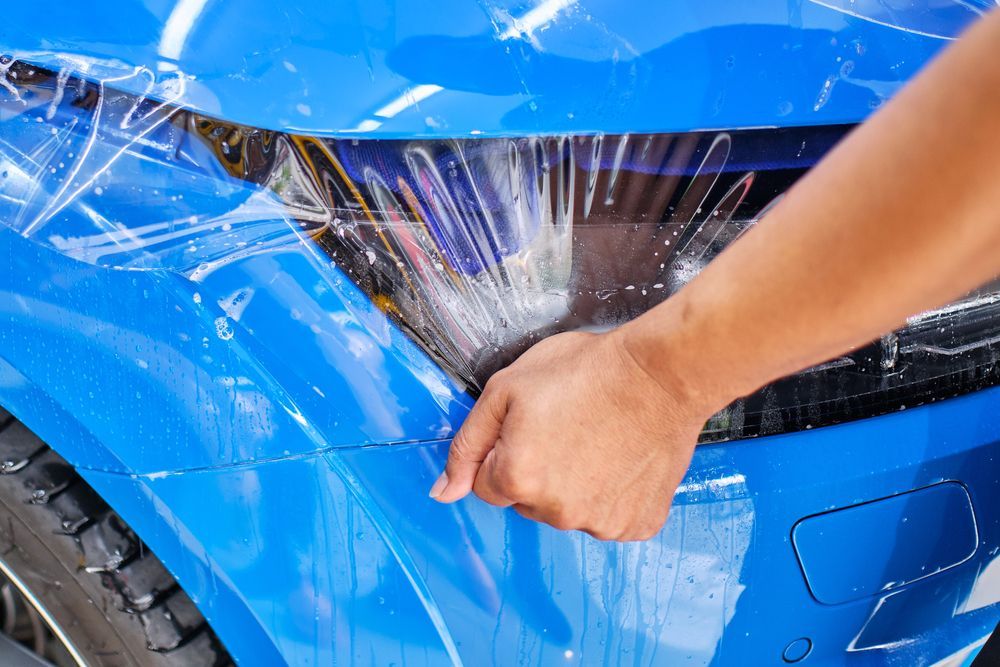
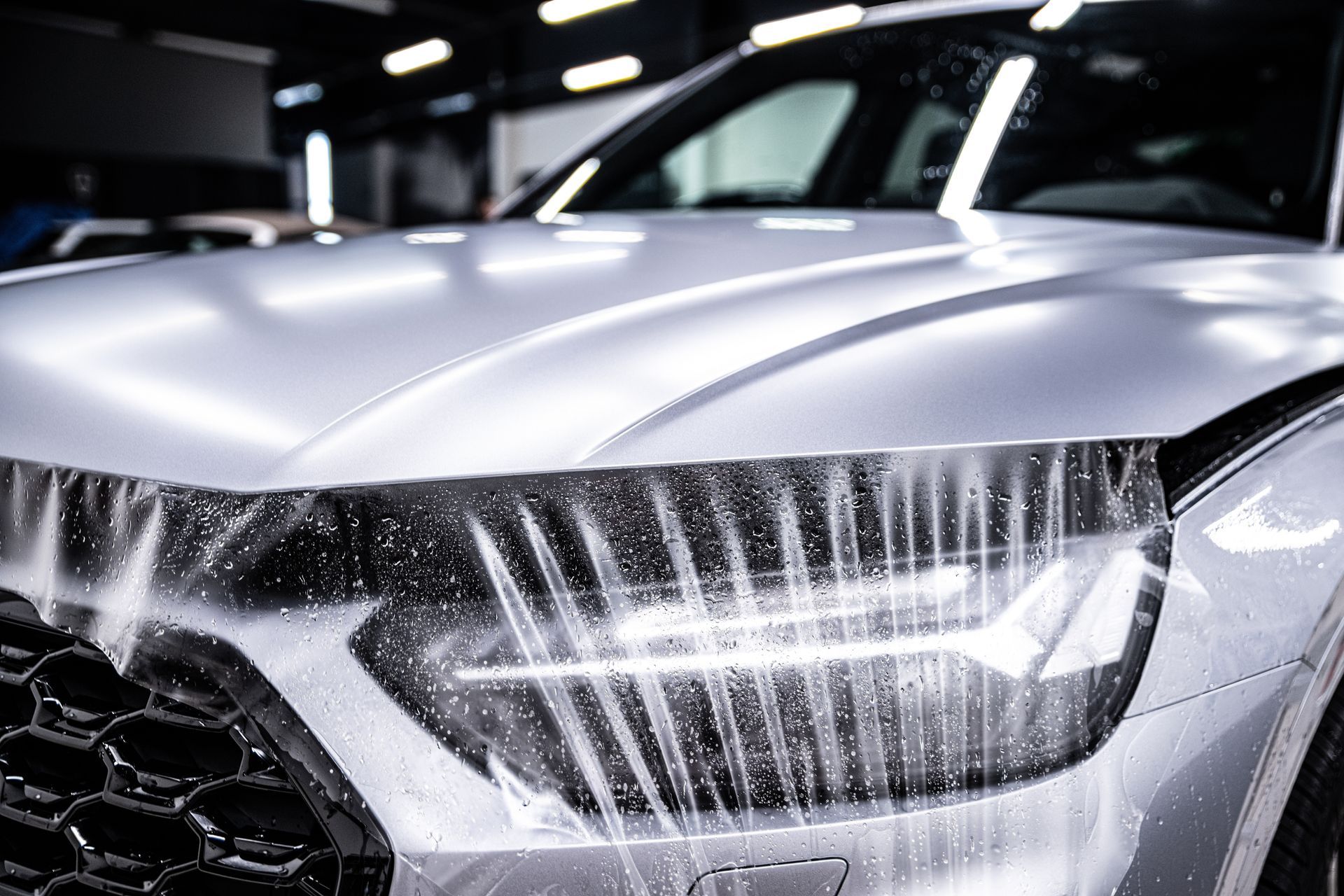
Why Paint Condition Matters Before PPF Replacement
The condition of the underlying paint is an important consideration when replacing paint protection film.
If existing film has cuts, lifting sections, or extensive deterioration, an installer should evaluate whether the paint beneath it has been affected.
Old PPF removal requires appropriate techniques, especially when the vehicle has previously repaired or repainted panels.
Professional paint correction may also be recommended when visible swirl marks or surface imperfections need attention before installing new film.
At Vehicle Enhancement Inc., paint correction is among the available exterior detailing services and may be relevant when preparing a vehicle for renewed protection.
Correcting suitable paint defects before installation can improve the finished appearance, but correction cannot resolve every form of paint damage.
When Should You Replace PPF Instead of Keeping It?
Age alone does not determine whether paint protection film needs replacement.
A well-maintained film may remain functional even after several years, while damaged material may require attention much sooner.
Consider replacement when the film:
- Shows widespread cracking, peeling, or persistent discoloration.
- Has cuts or punctures that compromise protection.
- No longer adheres securely across affected sections.
- Has extensive damage that makes localized repair impractical.
- Requires repairs approaching the cost of replacing the affected coverage.
A professional inspection can help determine the appropriate scope of work.
Before making a decision, photograph damaged areas, review the product warranty, and obtain estimates that describe the same panels and services.
Keeping existing film may remain reasonable when it is clear, securely attached, and free of significant damage.
Professional PPF Inspection in Dayton, OH
Knowing when to replace PPF can help protect your vehicle's appearance and prevent unnecessary work.
If your paint protection film is peeling, cracking, yellowing, or showing other signs of damage, Vehicle Enhancement Inc. can evaluate its condition and explain the available options.
We serve Dayton and surrounding communities, including Kettering, Oakwood, Centerville, Beavercreek, Miamisburg, and Springboro.
Contact Vehicle Enhancement Inc. at (937) 361-7993 to schedule a consultation and discuss your vehicle's paint protection needs.
Frequently Asked Questions
Can peeling PPF be repaired without replacing the entire film?
Some localized edge problems may be addressable, depending on the film's condition and the cause of the adhesion issue. Extensive peeling often requires replacing affected sections.
Does scratched PPF always need replacement?
No. Minor surface marks may improve through self-healing properties, but deep cuts and punctures generally require professional assessment.
How much does PPF replacement cost?
Costs vary based on the affected panels, film type, removal requirements, surface preparation, and labor. An itemized professional estimate provides the most reliable information.
Should I replace PPF simply because it is several years old?
Not necessarily. Film condition, adhesion, clarity, protective performance, and applicable warranty terms are more useful considerations than age alone.