When Is the Best Time to Install Paint Protection Film on a New Vehicle?
Bringing home a new vehicle is exciting, and most owners want to keep that showroom finish looking its best for years. One of the most effective ways to protect your investment is with Paint Protection Film (PPF). However, many vehicle owners ask the same question: When should you install PPF on a new car?
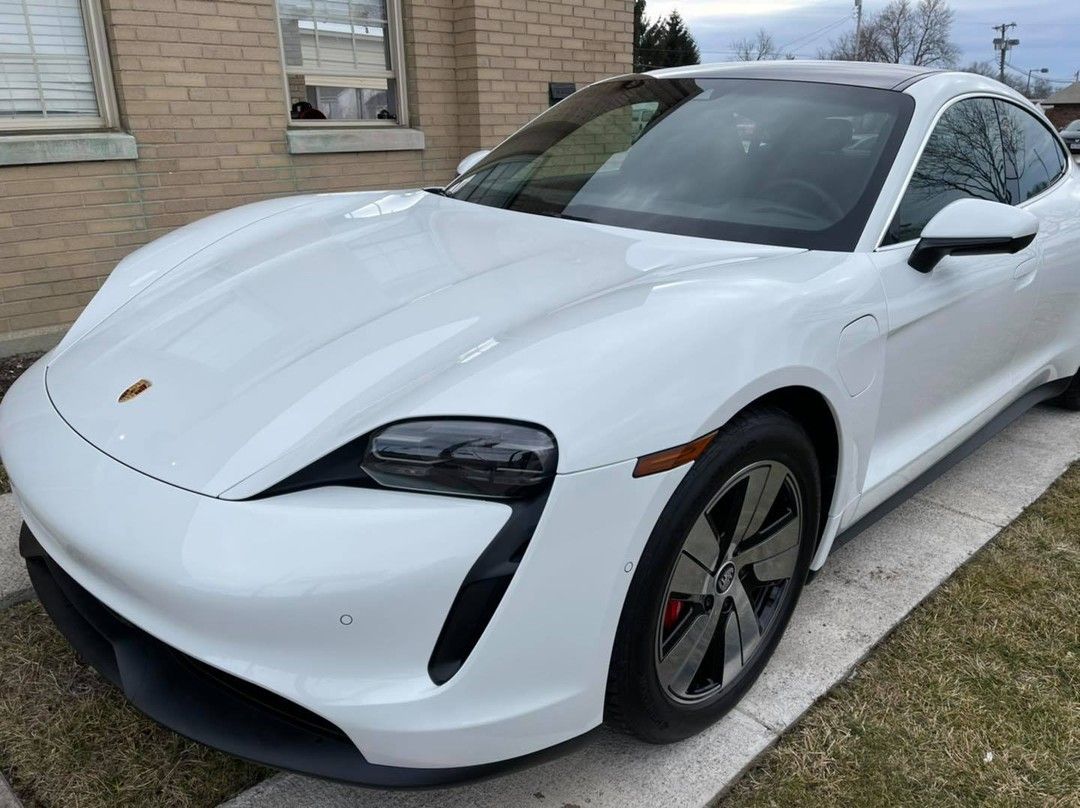
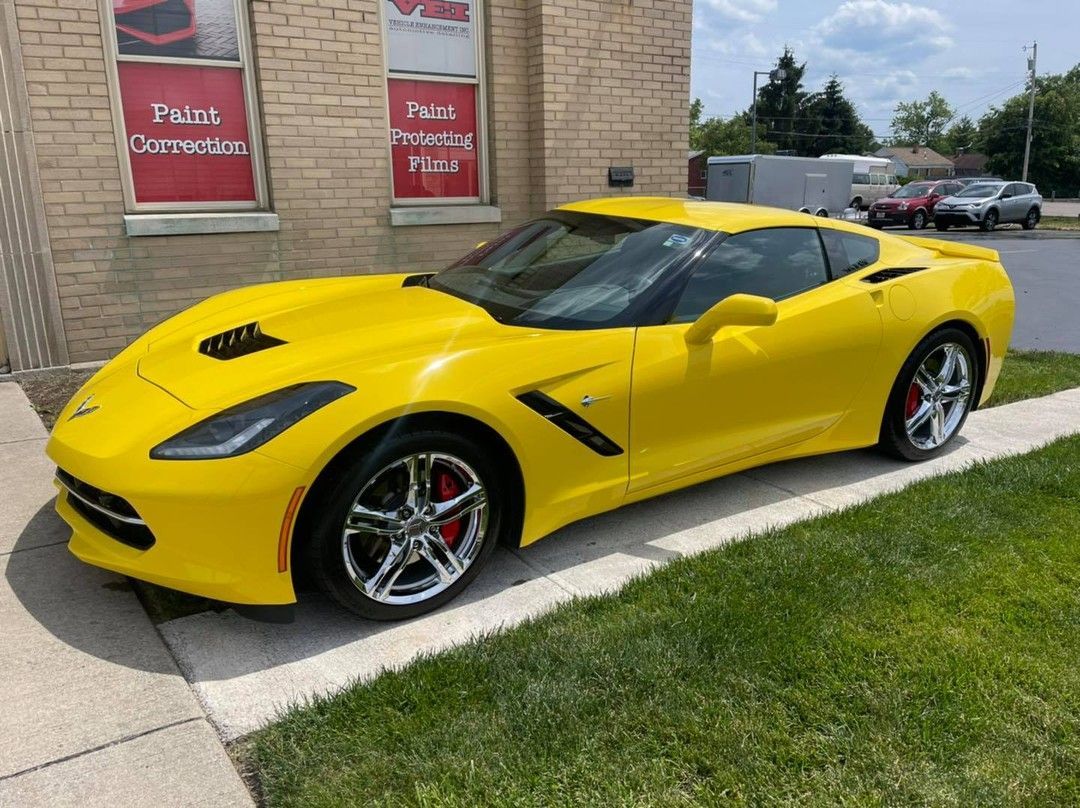
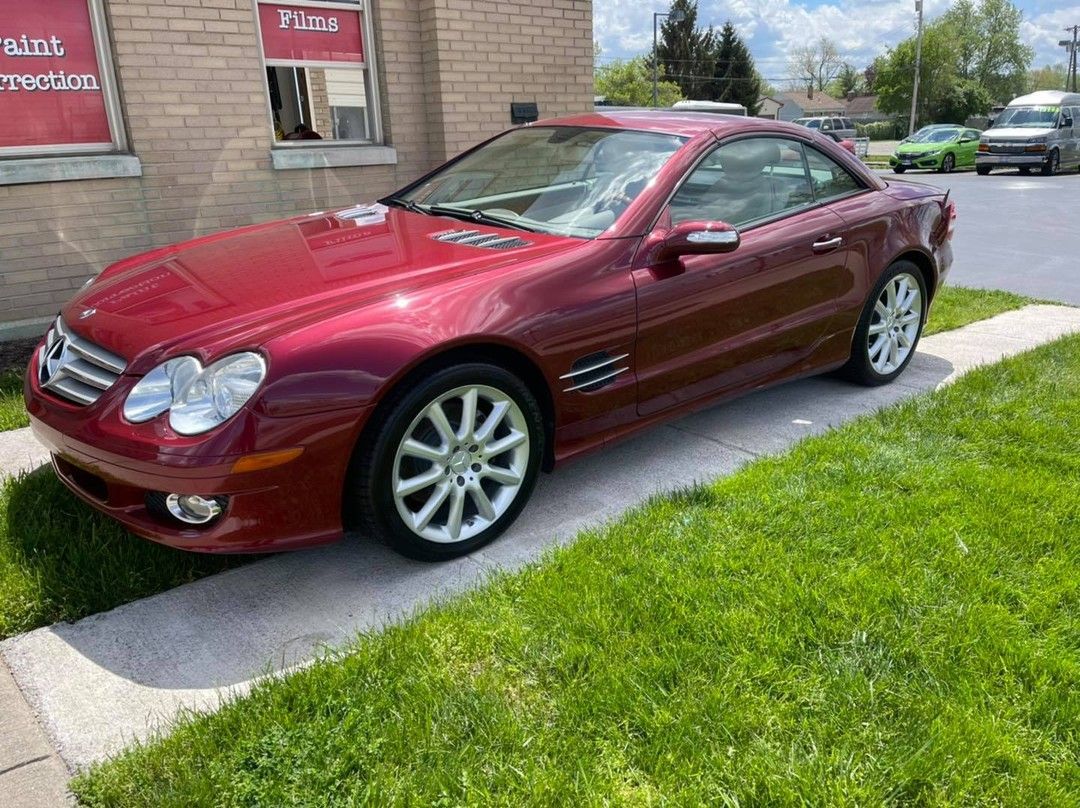
The best time to install Paint Protection Film is shortly after purchasing your vehicle, ideally before the paint is exposed to road debris, rock chips, bug splatter, UV rays, and environmental contaminants. Proper paint preparation is essential before installation, which is why professional detailing and paint correction are often recommended first.
For drivers throughout Dayton, Beavercreek, Centerville, Kettering, Springboro, Oakwood, and Miamisburg, early protection can help preserve your vehicle's appearance and long-term value from day one.
Why Early PPF Installation Matters
The moment your vehicle leaves the dealership, its paint becomes vulnerable to everyday hazards. Highway driving, construction zones, loose gravel, bird droppings, tree sap, and seasonal weather can all cause damage to exposed paint.
Installing PPF early offers several benefits:
- Protects against rock chips and road debris
- Reduces scratches and swirl marks
- Shields paint from UV exposure
- Preserves factory paint condition
- Helps maintain resale value
Many Dayton-area drivers choose to schedule PPF installation within the first month of ownership to ensure their vehicle receives maximum protection before damage occurs.
When Should You Schedule PPF Installation?
While installing PPF quickly is important, proper surface preparation is equally critical.
Professional installers recommend:
Within the First Month of Ownership
A newer vehicle typically has paint in excellent condition, making it an ideal candidate for PPF. During this period, minimal correction is usually required, helping achieve optimal adhesion and appearance.
After Professional Detailing and Paint Correction
Even brand-new vehicles can have minor imperfections, including dealership wash marks, swirl marks, or contaminants from transportation.
Before applying Paint Protection Film, professionals often perform:
- Paint decontamination
- Surface inspection
- Paint correction if needed
- Final preparation and polishing
This process creates a clean, smooth surface that allows the film to bond properly and perform as intended.
If You've Owned the Vehicle for Several Months
It is still worthwhile to install PPF even if you have already driven the vehicle for weeks or months. However, any chips, scratches, or paint defects should be addressed first to ensure the best possible results.
How to Know If Your Vehicle Is Ready for PPF
Successful PPF installation depends on paint readiness.
A properly prepared vehicle should have:
- Clean, contaminant-free paint
- No embedded dirt or industrial fallout
- Minimal scratches or swirl marks
- Repaired paint chips when necessary
- A smooth, polished surface
Professional paint correction is often recommended because PPF preserves the condition of the paint underneath it. Any defects left untreated may remain visible after installation.
At Vehicle Enhancement Inc., paint preparation is a critical part of every installation because it directly impacts the appearance, durability, and performance of the film.
Should You Get Ceramic Coating and PPF Together?
Many vehicle owners wonder whether they should choose Paint Protection Film or ceramic coating.
The answer is often both.
PPF and ceramic coatings serve different purposes:
Paint Protection Film
- Protects against rock chips and physical damage
- Absorbs impacts from road debris
- Offers self-healing properties on many premium films
Ceramic Coating
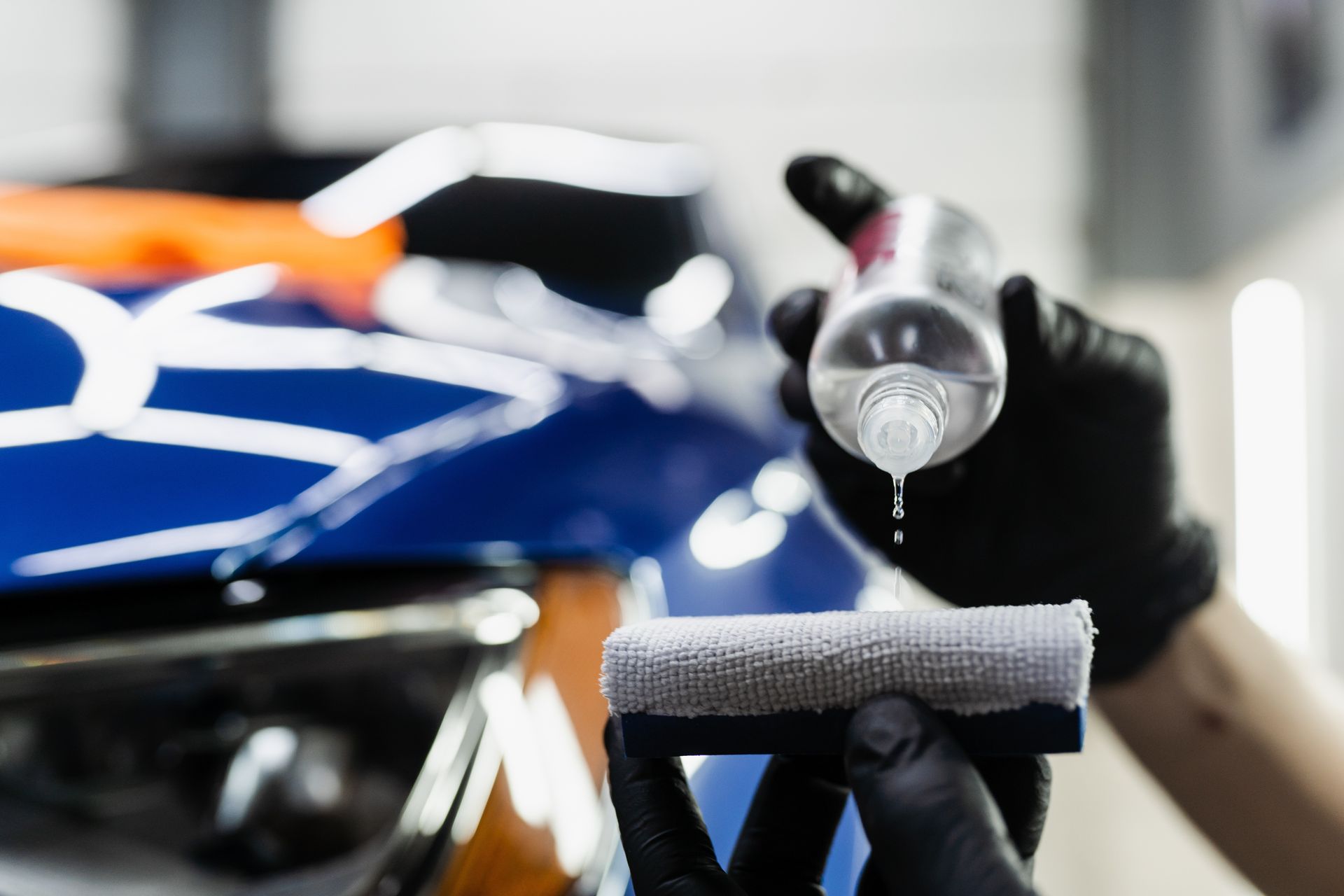
- Enhances gloss and shine
- Creates hydrophobic protection
- Makes cleaning easier
- Helps resist chemical stains and contaminants
For maximum protection, many vehicle owners in Dayton and surrounding communities install PPF first and then apply ceramic coating over the film. This combination provides both impact protection and easier maintenance.
Choosing the Right PPF Installer
Not all installations deliver the same results. Choosing a certified and experienced installer can make a significant difference in the appearance and lifespan of your Paint Protection Film.
When evaluating a PPF provider, look for:
Manufacturer Certifications
Certified installers receive training directly from film manufacturers and understand proper preparation and installation techniques.
Portfolio of Work
Review previous installations on vehicles similar to yours.
Customer Reviews
Look for consistent feedback regarding professionalism, quality, and customer service.
Warranty Coverage
A quality warranty demonstrates confidence in both the product and installation process.
At Vehicle Enhancement Inc., our team works with premium Paint Protection Films and follows industry best practices to ensure long-lasting protection and exceptional results.
What Happens During a Professional PPF Installation?
Understanding the installation process helps set expectations.
Step 1: Washing and Decontamination
The vehicle undergoes a thorough cleaning process to remove dirt, oils, tar, and embedded contaminants.
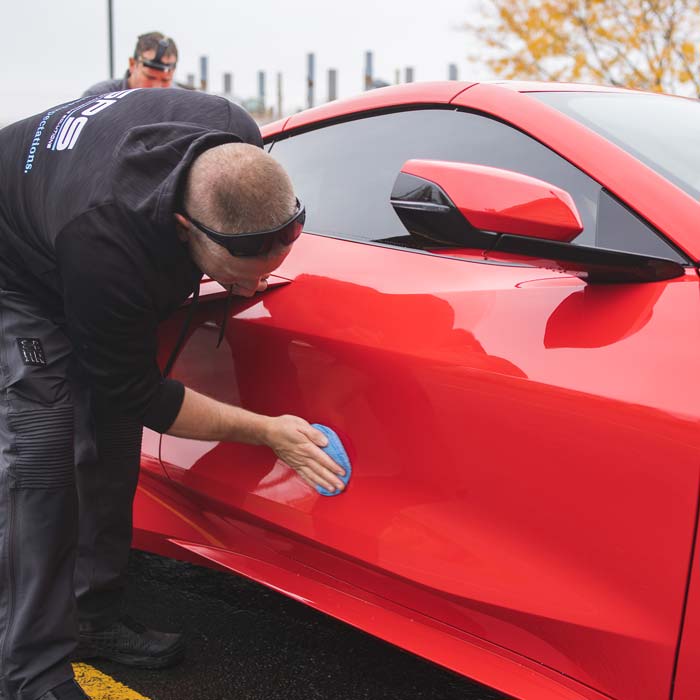
Step 2: Paint Correction
Minor imperfections such as swirl marks and light scratches are corrected to create a flawless surface.
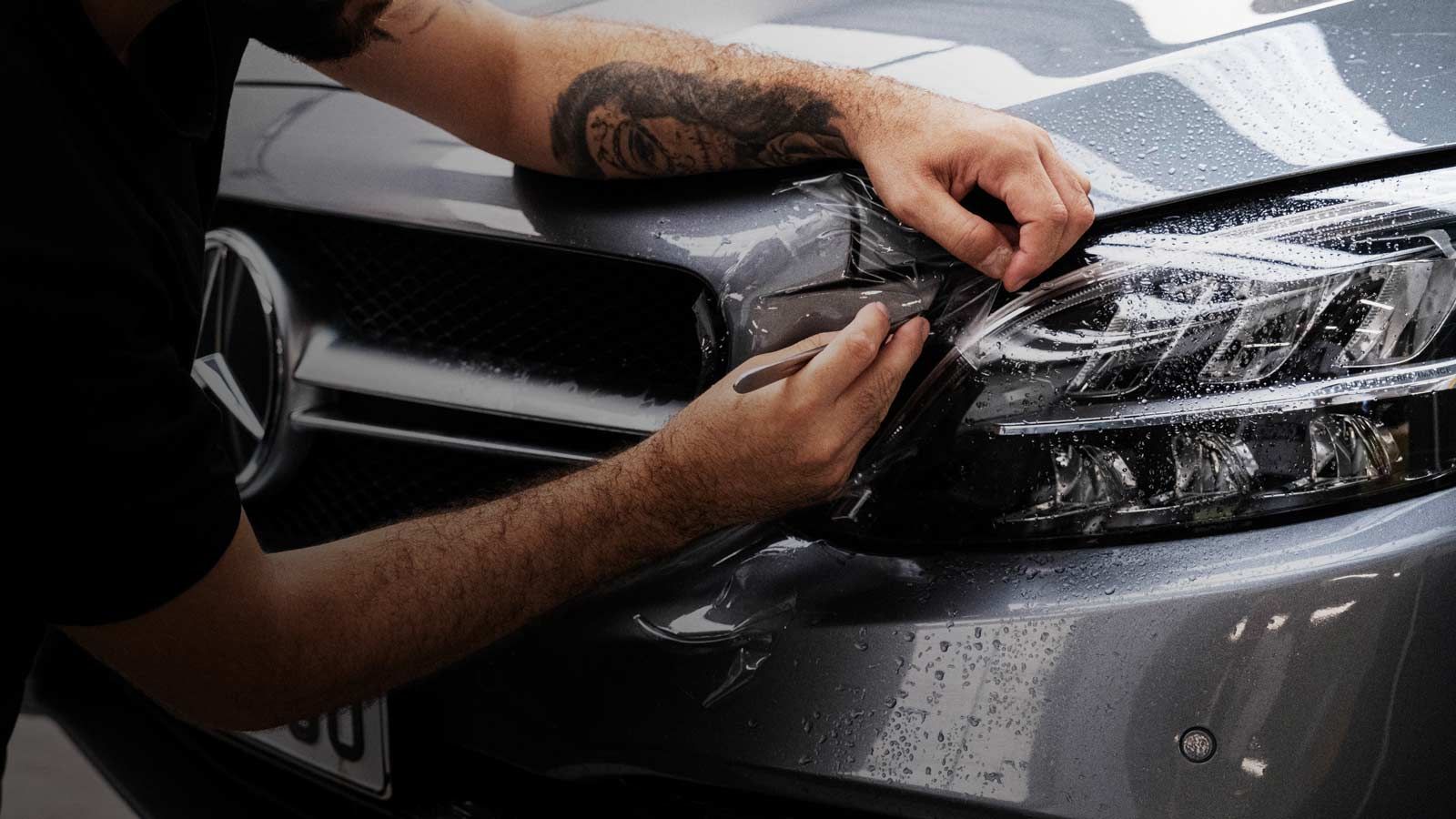
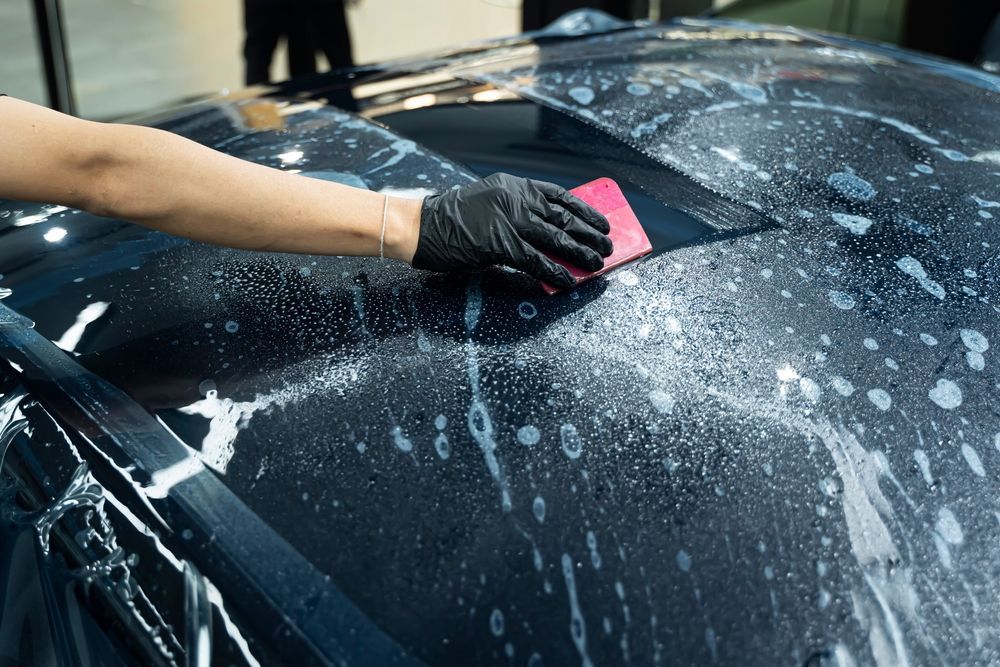
Step 3: Film Installation
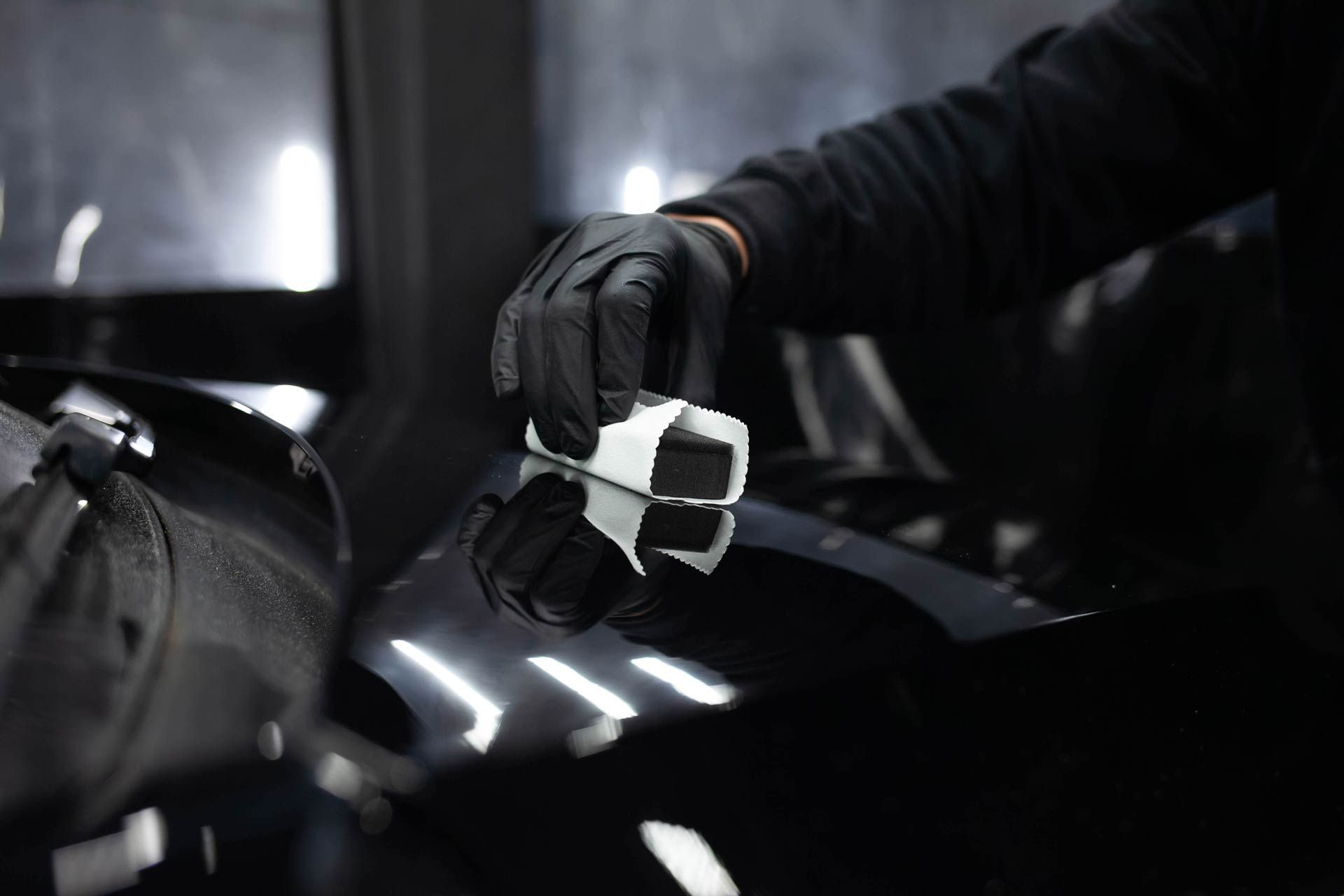
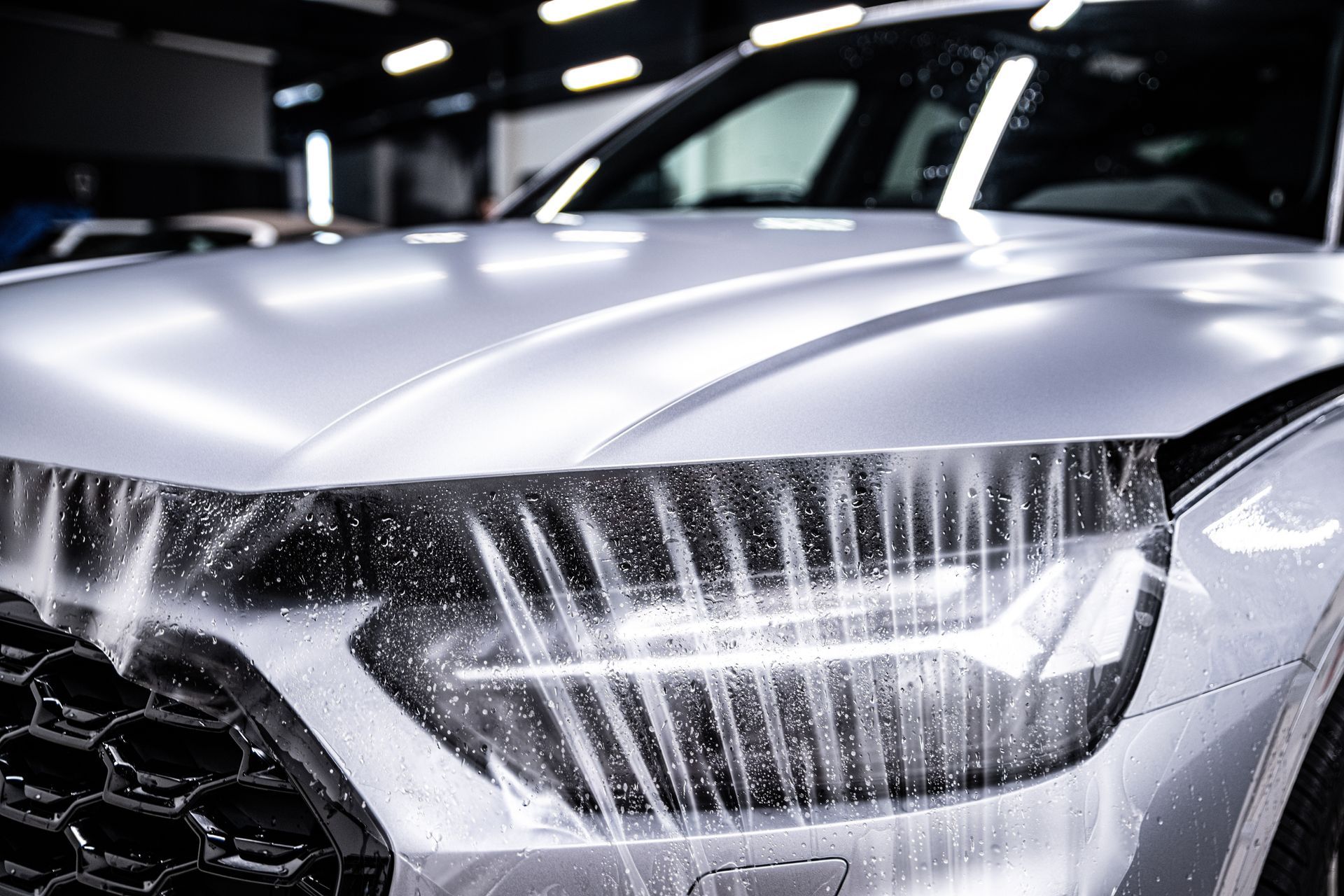
The film is carefully applied using specialized techniques that ensure proper alignment, adhesion, and coverage.
Step 4: Final Inspection
The vehicle is inspected to verify proper installation and finish quality before delivery.
Depending on the level of coverage selected, the process may take several hours or even multiple days.
Common Myths About Paint Protection Film
Myth: PPF Turns Yellow Over Time
Modern premium films are engineered with UV-resistant technology that helps maintain clarity and appearance for years.
Myth: New Cars Don't Need PPF
New vehicles are exposed to damage immediately after leaving the dealership. Early installation helps prevent paint damage before it occurs.
Myth: PPF Is Only for Luxury Vehicles
Any vehicle can benefit from paint protection, especially if you plan to keep it long-term or want to preserve its resale value.
Myth: PPF Damages Paint During Removal
When removed professionally, high-quality PPF is designed to come off safely without harming properly maintained factory paint.
Frequently Asked Questions
How soon should I install PPF after buying a new car?
Ideally within the first few weeks of ownership after professional paint preparation has been completed.
Can PPF be installed on a used vehicle?
Yes. Many used vehicles can benefit from Paint Protection Film after paint correction and surface preparation.
Does PPF hide scratches?
PPF does not completely hide existing scratches. Paint correction should be completed before installation for the best appearance.
How long does Paint Protection Film last?
Most premium films last several years when properly maintained and professionally installed.
Is PPF worth it in Ohio?
Yes. Ohio drivers regularly encounter road salt, gravel, seasonal debris, and highway driving conditions that can damage unprotected paint.
Protect Your Vehicle Before Damage Happens
If you've recently purchased a vehicle and want to preserve its appearance, now is the ideal time to consider Paint Protection Film. Early installation helps protect your paint from chips, scratches, and environmental damage while maintaining your vehicle's value for years to come.
Vehicle Enhancement Inc. proudly provides Paint Protection Film, paint correction, ceramic coatings, and vehicle enhancement services for customers throughout Dayton, Beavercreek, Centerville, Kettering, Springboro, Oakwood, and Miamisburg.
Contact Vehicle Enhancement Inc. today to schedule a consultation and discover the best protection package for your vehicle.