Can You Pressure Wash a Vehicle With Paint Protection Film?
Pressure washing can make vehicle cleaning faster, but owners of cars protected with paint protection film need to use more care than simply pointing the nozzle at the surface and spraying.
Yes, you can pressure wash a vehicle with paint protection film, but the pressure washer should be used carefully. Avoid directing a concentrated stream at film edges, seams, or areas that are already lifting. Use a broad spray pattern, maintain a reasonable distance from the surface, and follow the care recommendations provided by the film manufacturer or professional installer.
For vehicle owners who have invested in PPF, proper washing is important because the goal is not only to remove dirt. It is also to preserve the condition of the film and the paint it protects.
What Is Paint Protection Film?
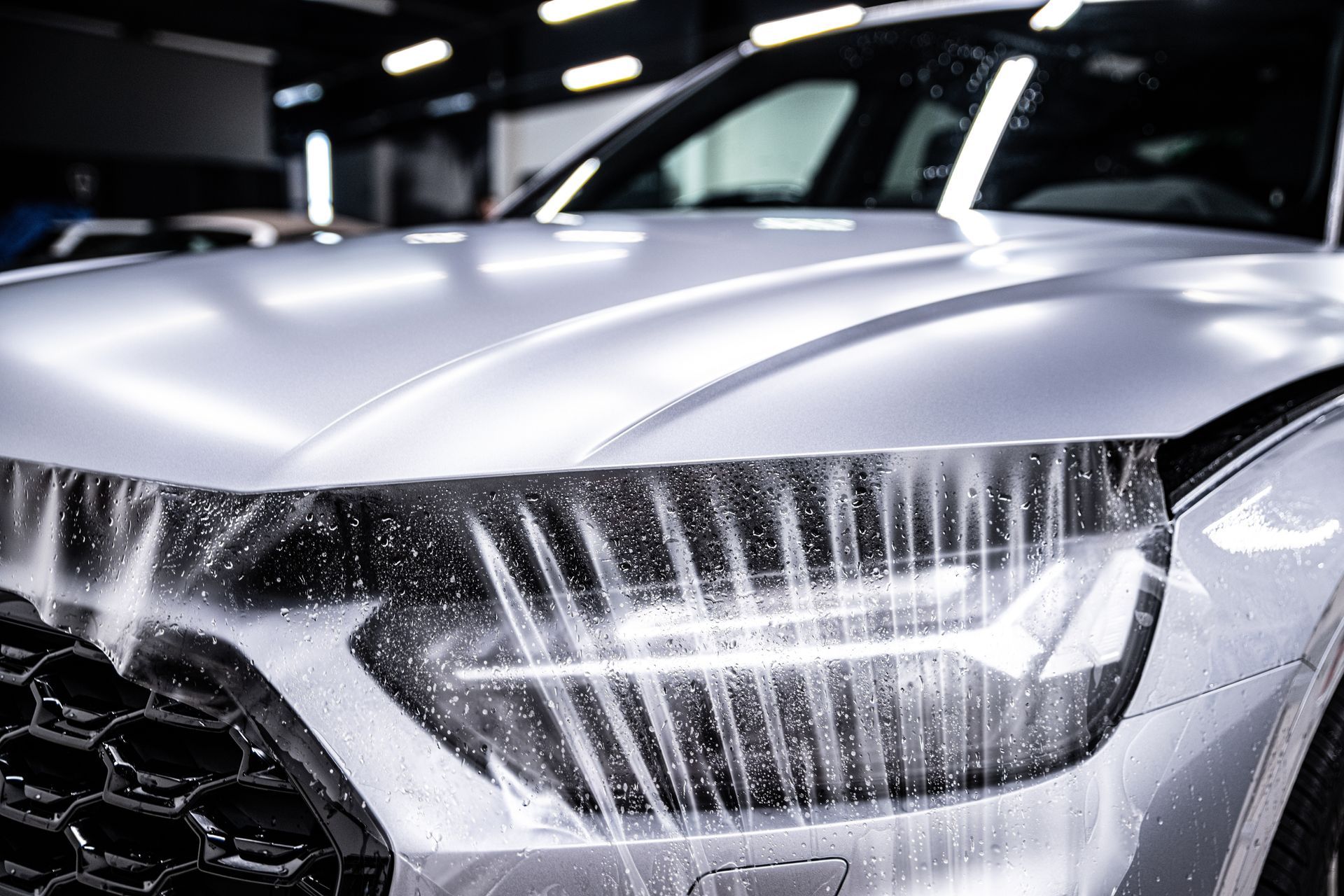
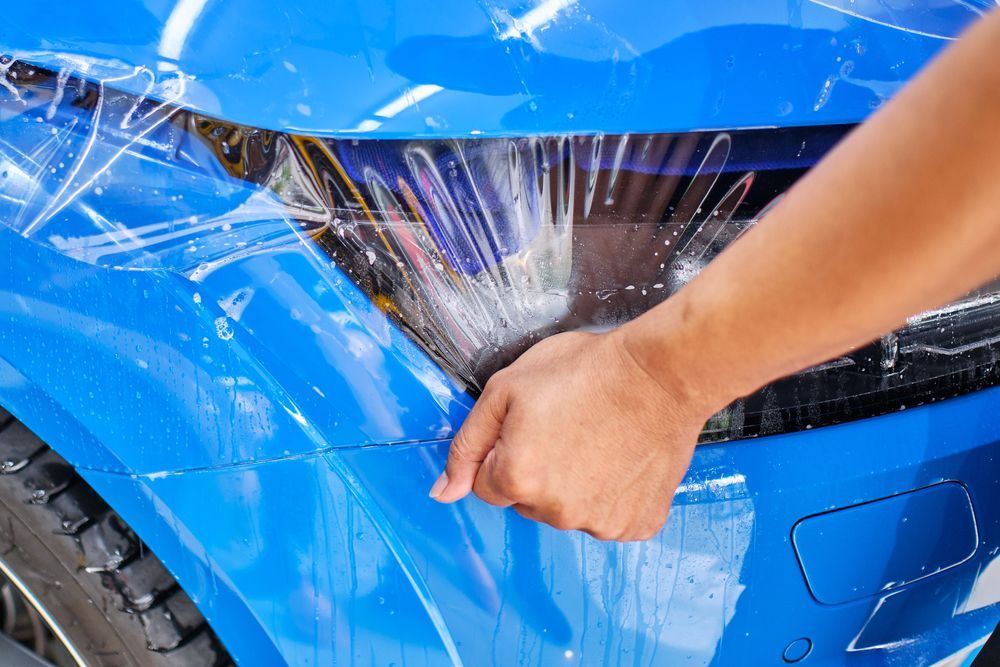
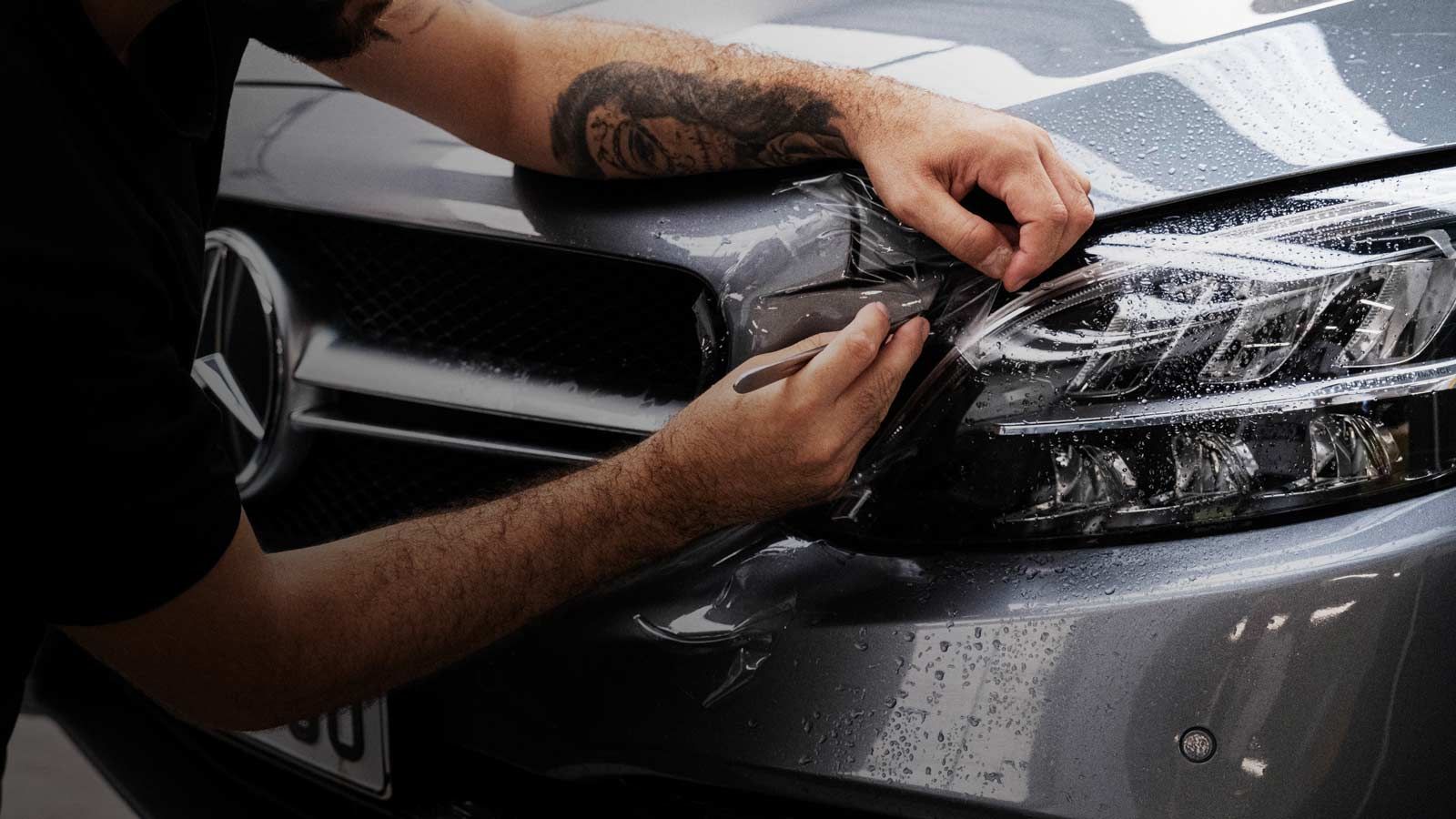
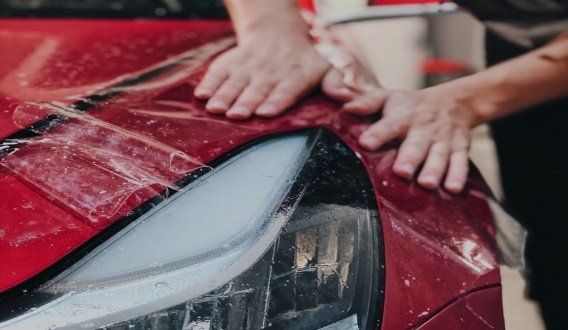
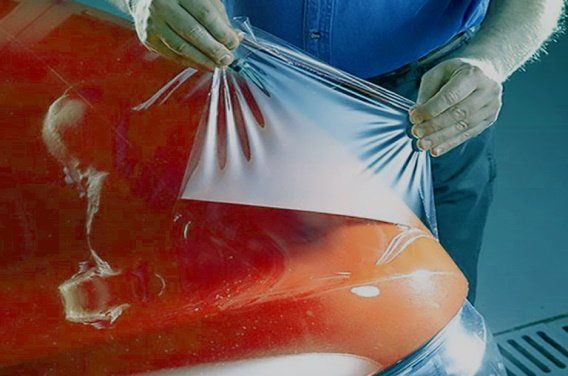
Paint protection film, commonly called PPF, is a transparent urethane film installed over painted vehicle surfaces to provide a physical barrier against common road hazards.
PPF is frequently installed on high-impact areas such as:
- Front bumpers
- Hoods
- Fenders
- Side mirrors
- Rocker panels
- Door edges
Full-body installations can also provide broader coverage.
One of the primary benefits of PPF is its ability to help protect the underlying paint from rock chips, light scratches, road debris, and other minor physical damage. Many modern films also incorporate self-healing top layers that can make light surface marks less noticeable when exposed to warmth.
Some films also feature surface properties that make dirt and water easier to manage during routine cleaning. However, PPF is not maintenance-free. Proper washing techniques remain important for preserving its appearance and adhesion.
Can You Safely Pressure Wash PPF?
A pressure washer can be used on a PPF-protected vehicle when the equipment is handled appropriately.
The greatest concern is concentrated water pressure reaching vulnerable areas such as film edges and seams. A strong stream directed underneath an edge can contribute to lifting or other installation problems.
Pressure washing should therefore be treated as a controlled rinsing method rather than an aggressive cleaning technique.
Keep the nozzle moving instead of concentrating water on one area for an extended period. Use a wider spray pattern rather than a narrow, concentrated jet, and avoid moving the nozzle unnecessarily close to the film.
If the PPF already has a loose edge, bubble, damaged section, or another visible installation concern, avoid pressure washing that area and have it evaluated by a professional.
What Are the Risks of Pressure Washing Paint Protection Film?
Improper technique can place unnecessary stress on PPF.
Edge Lifting
Film edges are particularly important to protect during washing. Directing concentrated water toward an edge can potentially force water underneath the film and contribute to lifting.
Once an edge has lifted, dirt and contamination may collect underneath it. Continuing to spray the area aggressively can make the problem worse.
Damage to an Existing Weak Area
Pressure washing may not be the original cause of every PPF problem.
If the film already has compromised adhesion, damage, or a partially lifted edge, concentrated water pressure can aggravate that condition. This is why inspecting the film before washing is useful.
Unnecessary Surface Stress
A pressure washer should help remove loose dirt and rinse cleaning products from the vehicle. It should not be used to force stubborn contamination off the film at extremely close range.
If something does not rinse away easily, switch to an appropriate cleaning method rather than increasing pressure against the surface.
How to Pressure Wash a Vehicle With PPF
There is no single pressure-washer setting that is appropriate for every PPF product, installation, and machine. Film manufacturers and installers may provide specific care recommendations, so those instructions should take priority.
However, several general practices can help reduce unnecessary risk.
Start With a Gentle Rinse
Begin with a controlled rinse to remove loose dirt, dust, and road debris.
This reduces the amount of contamination that must be physically removed during the contact wash.
Use a Wide Spray Pattern
Avoid narrow, highly concentrated streams.
A wider spray pattern distributes the water over a larger area and provides more controlled cleaning.
Keep a Safe Distance
Do not place the pressure washer nozzle extremely close to the PPF.
Start farther away and use only the amount of pressure necessary to rinse the vehicle effectively.
Avoid Spraying Directly Into Film Edges
Be particularly cautious around seams, corners, wrapped edges, and other transitions in the film.
Direct the water across these areas rather than underneath them.
Keep the Nozzle Moving
Avoid holding the pressure stream on one area for an extended period.
Smooth, controlled passes help rinse dirt while minimizing concentrated force against the film.
Hand Washing a Vehicle With PPF
Pressure washing can be part of the cleaning process, but it does not eliminate the need for careful contact washing when dirt remains on the vehicle.
A gentle hand wash allows better control over how the surface is cleaned.
Use automotive cleaning products that are appropriate for the installed film and follow recommendations from the PPF manufacturer or installer. Clean microfiber wash mitts and drying towels can help reduce unnecessary friction against the surface.
Avoid abrasive brushes, harsh scrubbing, and household cleaning chemicals that were not designed for automotive finishes.
A useful washing process may include:
- Rinsing loose contamination from the vehicle.
- Applying an appropriate automotive wash solution.
- Gently washing the surface with clean wash media.
- Thoroughly rinsing away the cleaning solution.
- Drying the vehicle with clean microfiber towels or another paint-safe drying method.
The goal is controlled cleaning rather than aggressive scrubbing.
What About Foam Cannons?
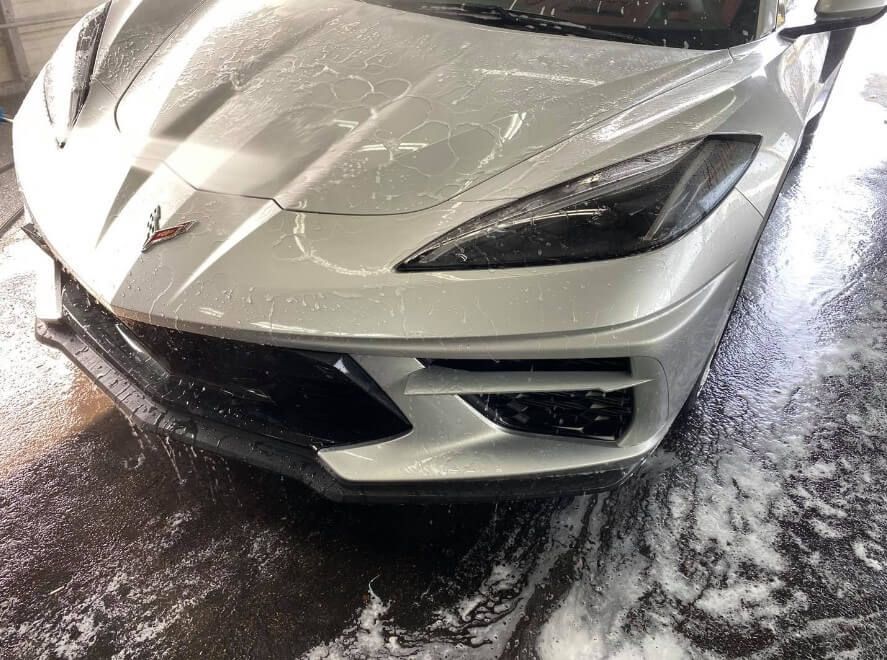
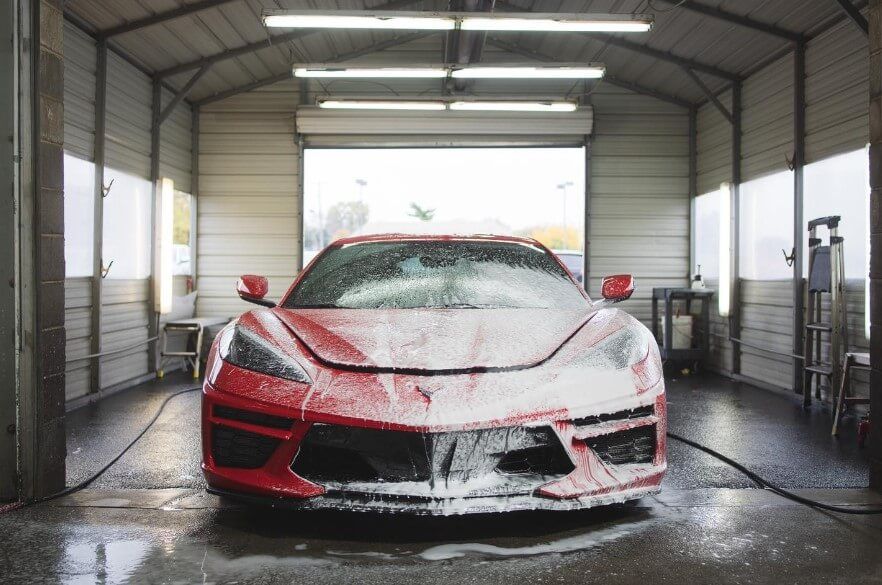
A foam cannon can be useful as part of a PPF maintenance wash.
Foam helps distribute automotive shampoo across the vehicle and can loosen some surface contamination before contact washing begins. However, foam alone should not be assumed to remove all bonded dirt.
After allowing the cleaning solution to work according to the product instructions, rinse the vehicle carefully. If contamination remains, use a gentle hand-washing method rather than attempting to blast the dirt away with additional pressure.
How Often Should You Wash a Vehicle With PPF?
There is no universal schedule that fits every vehicle.
A daily-driven vehicle exposed to road grime, insects, bird droppings, tree sap, or winter contamination may need more frequent attention than a vehicle that spends most of its time in a garage.
Instead of relying on a rigid schedule, monitor the condition of the vehicle and remove potentially harmful contaminants promptly.
Regular maintenance can also make washing easier because heavy contamination has less time to build up on the film.
How to Maintain Paint Protection Film
Good PPF maintenance extends beyond choosing between a pressure washer and hand washing.
Remove Contamination Promptly
Bug residue, bird droppings, tree sap, and other contaminants should not remain on the film longer than necessary.
Use cleaning methods and products appropriate for PPF instead of aggressive household chemicals.
Use Clean Wash Materials
Dirty wash mitts and towels can drag contamination across the surface.
Keep wash materials clean and separate from towels used for wheels or other heavily contaminated vehicle areas.
Be Careful With Automatic Car Washes
Automatic washes that use brushes or repeated physical contact may introduce unnecessary friction against the vehicle.
Owners investing in PPF generally benefit from washing techniques that give them greater control over what contacts the film.
Follow Installer Recommendations
Different paint protection films can have different maintenance requirements.
If Vehicle Enhancement Inc. installs PPF on your vehicle, follow the aftercare recommendations provided for that installation rather than relying on universal advice from unrelated products or installers.
Inspect PPF After Washing
After washing and drying the vehicle, take a few moments to inspect the film.
Look closely around:
- Film edges
- Corners
- Seams
- High-impact areas
- Areas where contamination was difficult to remove
Check for visible lifting, bubbling, unusual changes in appearance, or damaged sections.
If something appears abnormal, avoid repeatedly pressing, pulling, heating, or spraying the affected area in an attempt to fix it yourself.
A professional installer can determine whether the film simply needs attention or whether a section should be repaired or replaced.
Should You Pressure Wash PPF That Is Already Lifting?
Avoid directing pressurized water at an area where PPF is already lifting.
Once an edge has separated from the surface, water pressure can get underneath the film and potentially make the affected area larger.
Instead, clean around the area carefully and arrange for a professional evaluation.
Catching a problem early may make it easier to determine the best next step before dirt and moisture accumulate underneath the film.
Protect Your PPF With Proper Washing
Paint protection film is designed to help preserve automotive paint, but protecting the film itself requires appropriate care.
Pressure washing a PPF-protected vehicle can be safe when done carefully. Use controlled pressure, maintain a sensible distance, keep the nozzle moving, and avoid directing concentrated water at film edges or damaged areas.
When more cleaning is required, use appropriate automotive products and gentle wash techniques instead of increasing pressure.
Professional Paint Protection Film Care in Dayton, Ohio
Vehicle Enhancement Inc. provides professional paint protection film and automotive care for vehicle owners in Dayton and surrounding communities, including Miamisburg, Oakwood, Kettering, Springboro, Centerville, and Beavercreek.
If you notice lifting edges, damaged PPF, unusual surface changes, or simply want guidance on caring for your installed film, professional evaluation can help determine the right approach.
Vehicle Enhancement Inc. also provides ceramic coatings and paint correction for vehicle owners who want to maintain and protect their vehicle's finish.
Contact
Vehicle Enhancement Inc. at
(937) 361-7993 to discuss paint protection film installation, maintenance, or concerns about the condition of your vehicle's existing protection.