The Benefits of pH-Neutral Products for Ceramic-Coated Car Care
A ceramic coating can help a vehicle maintain a glossy appearance, resist environmental contamination, and become easier to wash. However, the coating still depends on proper maintenance. Using the wrong shampoo or cleaner can reduce water behavior, leave residue, or place unnecessary stress on the coated surface.
For routine washes, pH-neutral car care products are generally the safest choice because they clean without relying on highly acidic or alkaline formulas. They support gloss, hydrophobic performance, and coating longevity while reducing the risk of premature deterioration. Vehicle Enhancement Inc. recommends that Dayton-area drivers follow coating-specific care instructions and use products compatible with their installed protection.
What Does pH-Neutral Mean in Car Care?
The pH scale measures how acidic or alkaline a solution is. A value near 7 is considered neutral, although a product described as pH-neutral may vary slightly depending on its formula.
In automotive care, pH-neutral shampoos are designed to remove common dirt and road film without aggressively stripping waxes, sealants, or compatible protective layers. They are well suited to routine maintenance washes on ceramic-coated vehicles.
Not every strong cleaner is automatically harmful, and not every neutral product is suitable for every task. Professionals may use targeted acidic or alkaline products for specific contamination when the coating manufacturer permits it. These products are selected carefully, diluted correctly, and used only when needed. For regular washing, a coating-safe pH-neutral shampoo offers a more controlled approach.


Why Do Ceramic Coatings Need Proper Maintenance?
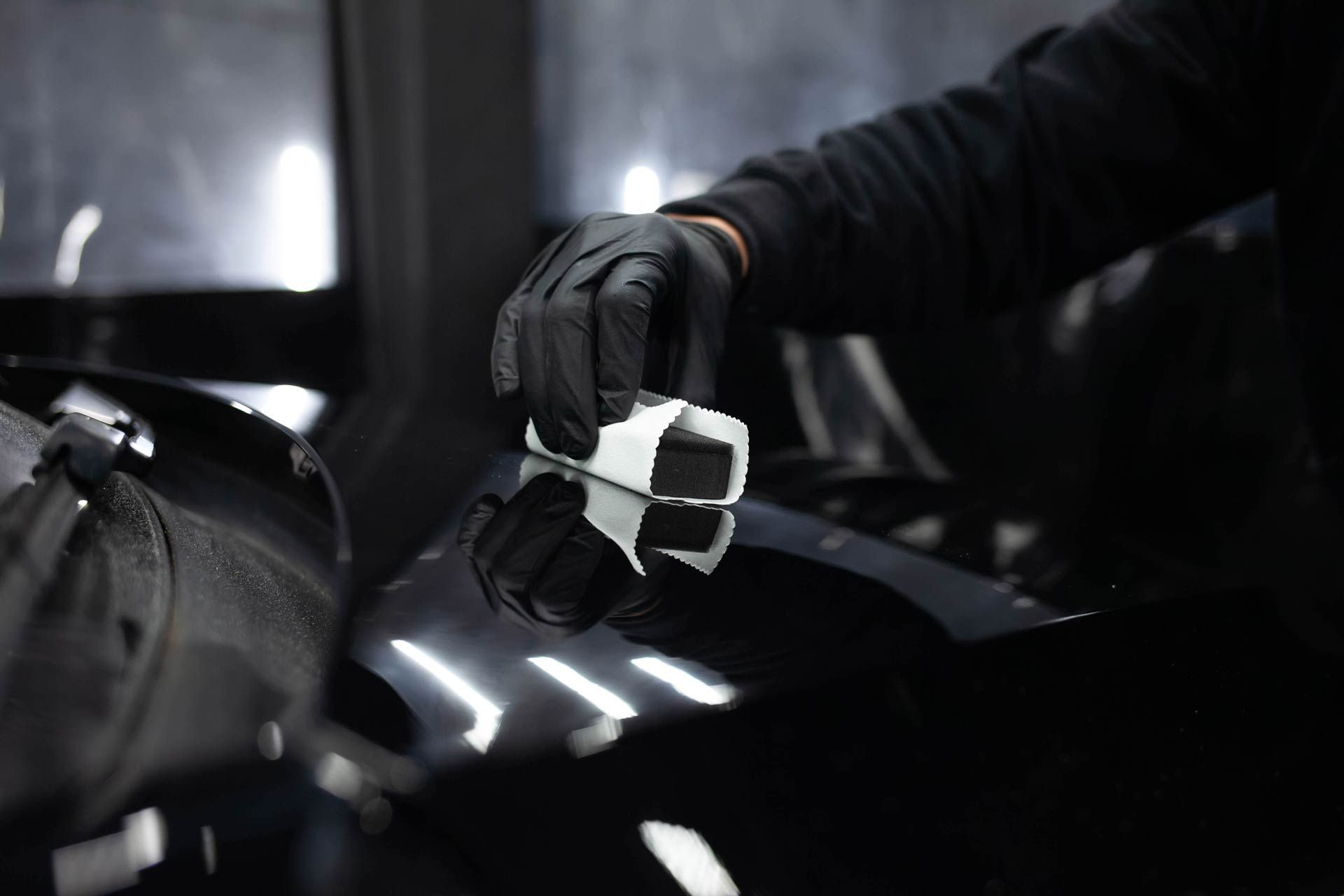
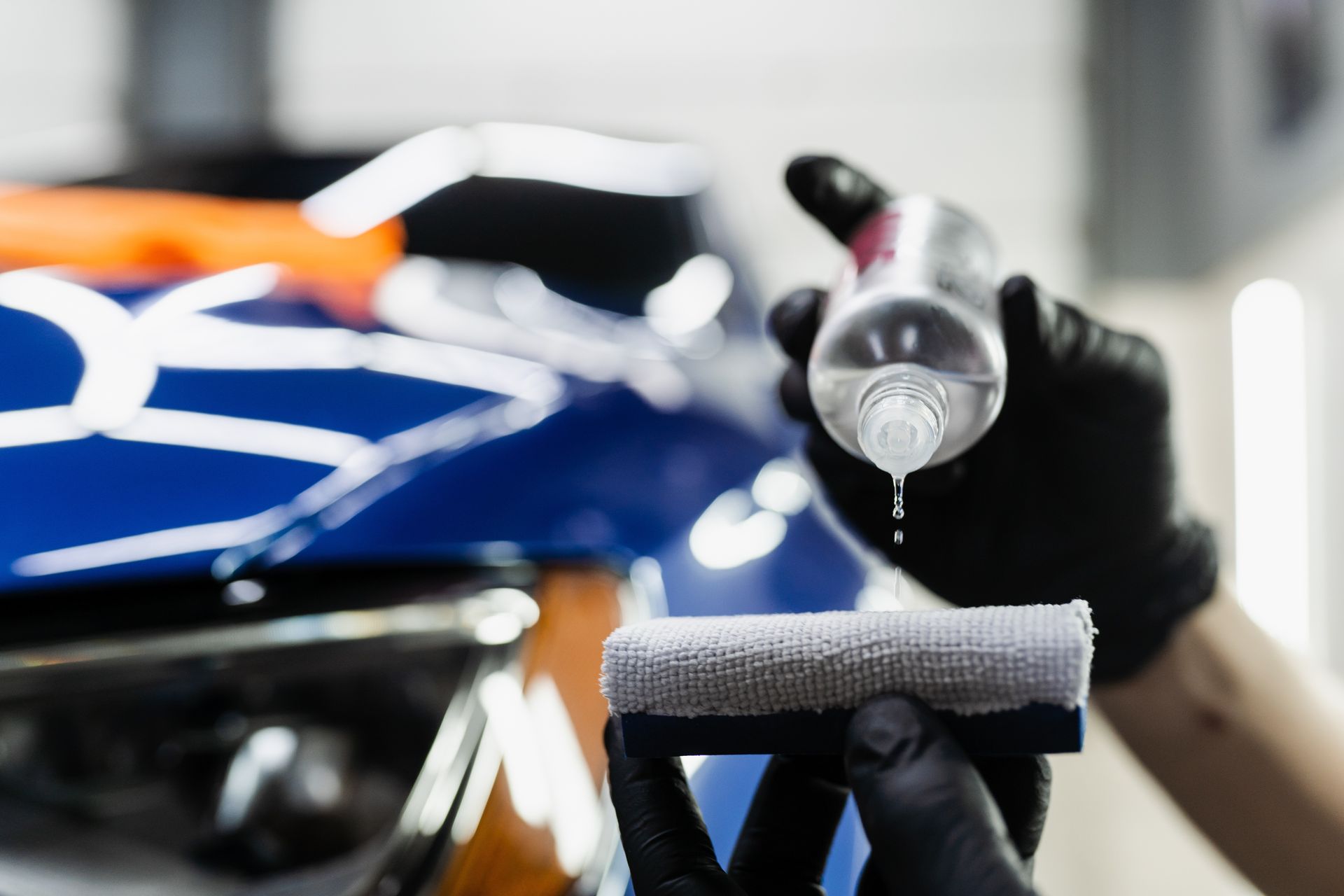
Ceramic coatings form a thin protective layer over properly prepared paint. They can improve gloss, water beading, chemical resistance, and ease of cleaning, but they do not make a vehicle maintenance-free or scratch-proof.
Road salt, mineral deposits, bird droppings, insect residue, tree sap, traffic film, and improper washing can still affect a coated surface. Contamination may interfere with water behavior or create staining, while frequent use of unsuitable cleaners can reduce coating performance over time.
Routine care helps preserve the benefits that made the coating valuable. This includes safe washing, careful drying, prompt contaminant removal, and periodic inspections.
How Do pH-Neutral Products Help Protect Ceramic Coating?
They Clean Without Unnecessary Chemical Aggression
A pH-neutral shampoo is formulated for regular cleaning rather than heavy stripping. It can loosen ordinary dirt while reducing the likelihood of weakening compatible protective products.
This matters because household cleaners and dish soaps are not designed for automotive finishes. They may contain strong detergents, degreasers, fragrances, or additives that leave residue or remove protection more aggressively than expected.
They Help Maintain Hydrophobic Performance
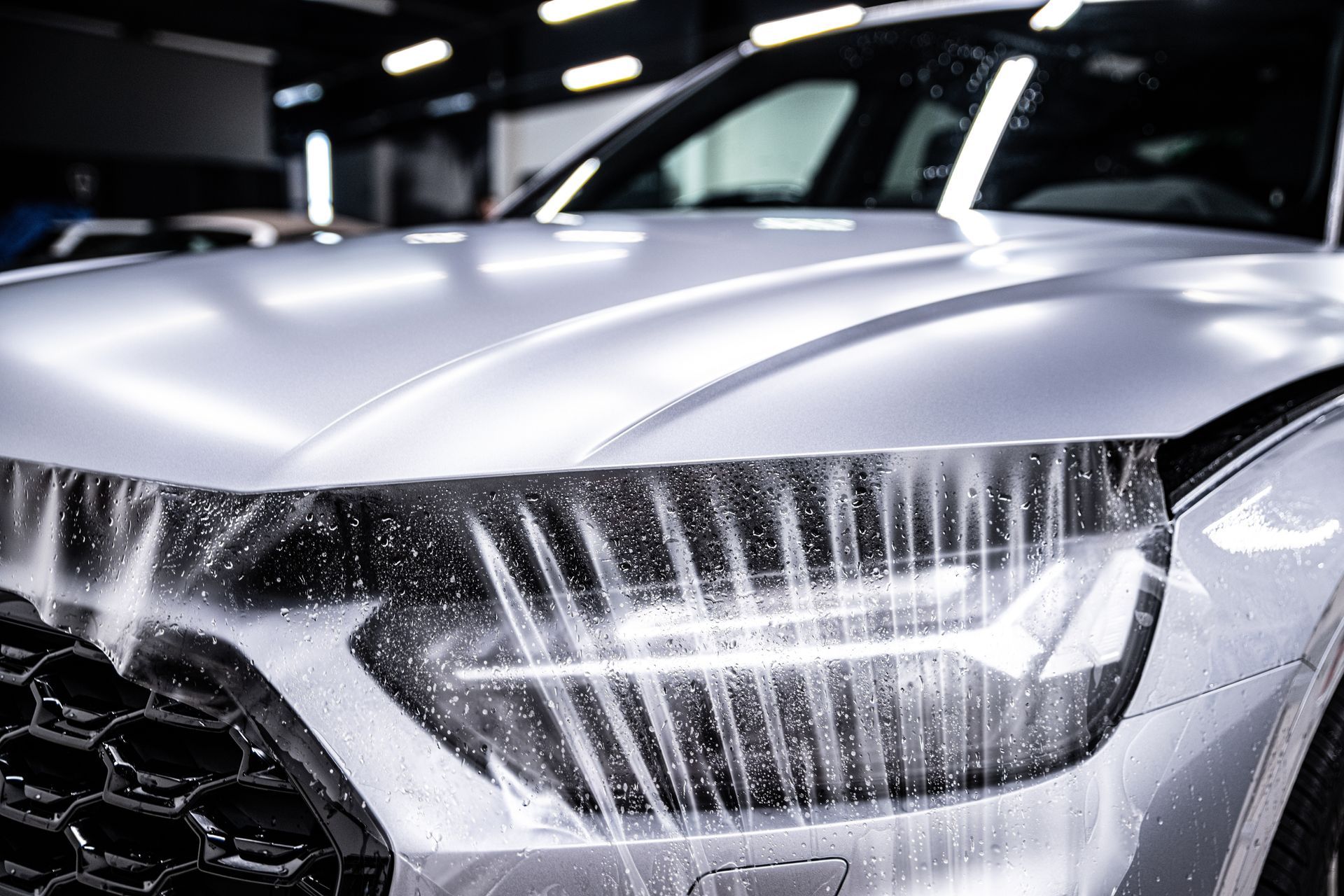
One of the most visible benefits of ceramic coating is hydrophobic behavior. Water beads or sheets away from the surface, which can make washing and drying easier.
When unsuitable soaps leave films behind, the coating may appear to have stopped working even if the protective layer is still present. A clean-rinsing, coating-safe shampoo helps prevent residue from masking water behavior.
If beading becomes weaker, the vehicle may need decontamination or a professional coating inspection. Applying more products without identifying the cause can create additional buildup.
They Support Gloss and Clarity
Ceramic coating enhances well-prepared paint, but wash technique affects how long the finish remains clear. A pH-neutral product can remove routine grime without adding harsh chemical stress.
Gloss also depends on avoiding wash-induced swirl marks. Even a safe shampoo cannot compensate for dirty wash media, automatic brushes, aggressive scrubbing, or poor drying techniques. Product selection and wash method must work together.
They Reduce the Risk of Residue
Some cleaners leave surfactants, waxes, or gloss-enhancing additives on the surface. These ingredients are not always harmful, but they may change water behavior or make it difficult to evaluate the coating’s condition.
Vehicle owners should follow the installer’s maintenance guidance before using shampoos with added waxes or polymers. A straightforward pH-neutral shampoo is often the better option for safe, predictable cleaning.
Can Acidic or Alkaline Cleaners Ever Be Used?
Acidic and alkaline products have legitimate roles in professional detailing. An alkaline prewash may help remove heavy traffic film, while an acidic product may address mineral deposits or water spots. These products should not replace a routine maintenance shampoo.
Problems can occur when a strong cleaner is used too often, applied at the wrong dilution, allowed to dry, or used without confirming compatibility. It may affect trim, glass, metal, paint, or the coating itself.
For stubborn contamination, contact the installer before trying a stronger chemical. Professional assessment is especially important when the surface has water spotting, bonded contamination, reduced slickness, or uneven water behavior.


How Should You Wash a Ceramic-Coated Vehicle?
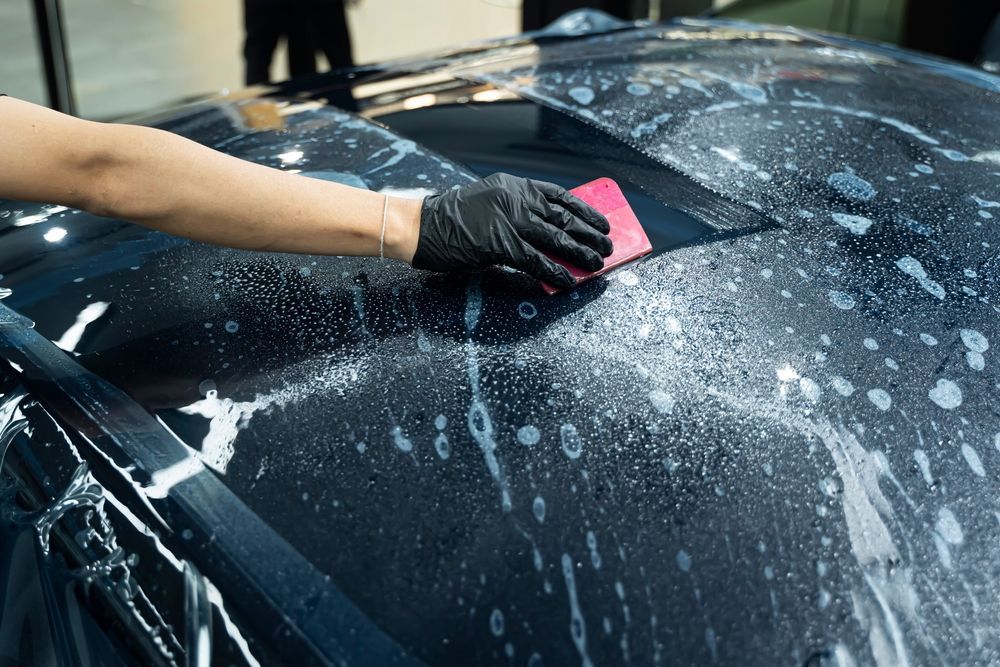
Wash the vehicle in a shaded area while the panels are cool. Rinse away loose debris before making physical contact with the paint.
Use a coating-safe, pH-neutral automotive shampoo and clean wash media. Work from the cleaner upper sections toward the dirtier lower panels, avoid heavy pressure, and rinse thoroughly.
Dry the vehicle with clean microfiber towels or filtered forced air. Allowing hard water to dry naturally can leave mineral deposits, even on a coated surface. Clean wash tools after use because contaminated mitts and towels can introduce swirl marks.
How Do You Select the Right pH-Neutral Product?
Look for a product clearly labeled for automotive use and safe for ceramic coatings. Read the instructions for dilution, dwell time, temperature limitations, and surface compatibility.
Before buying, determine whether the product is intended for routine washing or deep cleaning, whether the installer approves it, and whether it contains waxes, polymers, or gloss enhancers. Choose a formula that rinses clean and provides clear directions for safe use.
Do not choose a product solely because it creates thick foam. Foam can improve lubrication and dwell time, but it does not automatically indicate cleaning power or coating safety.
When Should a Ceramic Coating Be Professionally Inspected?
A professional inspection may be helpful when the coating no longer beads or sheets water consistently, the finish feels rough after washing, water spots remain visible, or the paint appears dull.
These symptoms do not always mean the coating has failed. Contamination, residue, mineral buildup, or unsuitable maintenance products may be covering the surface. A detailer can evaluate the condition and recommend decontamination, maintenance treatment, polishing, or reapplication when appropriate.
Vehicle Enhancement Inc. provides ceramic coating, paint correction, and paint protection film services for drivers in Dayton, Miamisburg, Oakwood, Kettering, Springboro, Centerville, Beavercreek, and nearby communities. Our team can help determine whether a vehicle needs routine maintenance, coating restoration, or a more comprehensive protection plan.
Protect Your Ceramic Coating With the Right Car Care
pH-neutral car care products are a practical choice for routine ceramic coating maintenance. They help clean the vehicle without unnecessary chemical strength, support gloss and water behavior, and reduce the risk of residue or premature wear.
Safe wash methods, clean tools, proper drying, and timely contaminant removal also help the coating perform as intended.
Protect your investment with professional guidance from Vehicle Enhancement Inc.
Contact us or call
(937) 361-7993 to schedule a ceramic coating inspection or discuss vehicle protection services in the Dayton area.