PPF Surface Preparation: Why It Makes or Breaks the Install
When investing in Paint Protection Film (PPF), most vehicle owners focus on the quality of the film itself. While premium PPF products offer excellent protection against rock chips, road debris, and environmental contaminants, the success of the installation begins long before the film is applied.
Proper surface preparation is one of the most important factors in achieving a flawless, long-lasting result. Without thorough cleaning and paint preparation, even the highest-quality film can experience bubbling, lifting, or premature failure. At Vehicle Enhancement Inc., we understand that meticulous preparation is the foundation of every successful PPF installation.
Why Surface Preparation Matters for PPF
Paint Protection Film is designed to bond directly to your vehicle's painted surfaces. For that bond to be secure, the paint must be completely free of contaminants, oils, waxes, and imperfections.
Even microscopic debris can interfere with adhesion. When contaminants become trapped beneath the film, they can create visible defects, reduce durability, and compromise the overall appearance of the installation.
Proper preparation helps:
- Maximize film adhesion
- Prevent bubbling and peeling
- Improve visual clarity
- Extend the lifespan of the PPF
- Protect the vehicle's factory finish
- Reduce the risk of future repairs or reinstallation
This process is especially important for drivers in Southern Utah communities such as Cedar City, St. George, Hurricane, and Richfield, where intense UV exposure, dust, and road debris can accelerate paint damage.
Essential Steps Before PPF Installation
Professional surface preparation involves several detailed steps designed to create the ideal foundation for film application.
Thorough Vehicle Wash
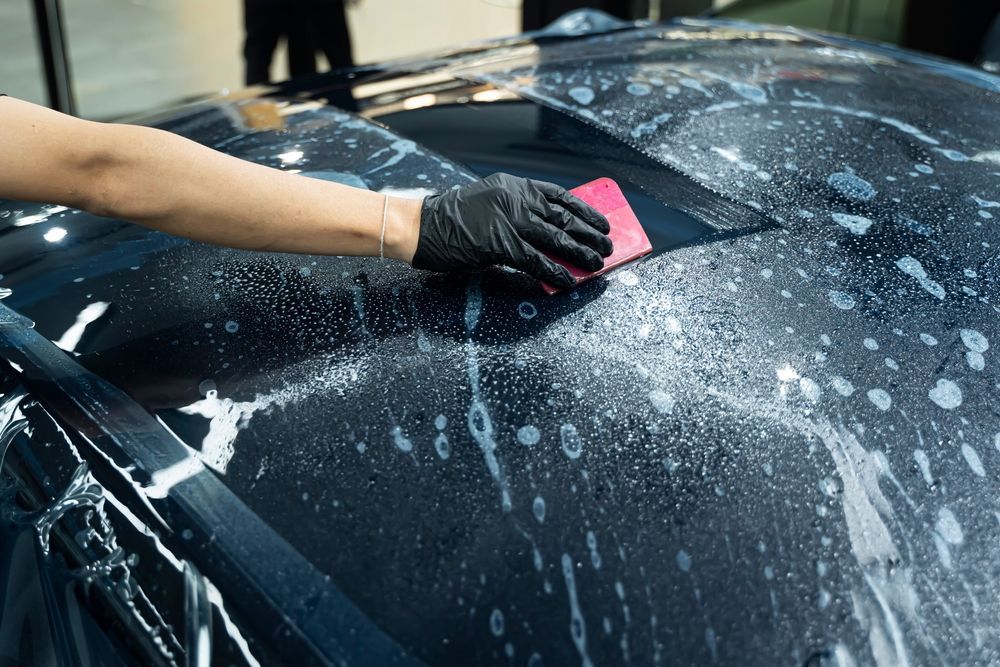
The process begins with a complete exterior wash using a pH-neutral automotive shampoo. This removes loose dirt, dust, and surface contaminants without damaging the paint.
A proper wash also allows technicians to inspect the vehicle more closely and identify any areas requiring additional attention before installation.
Clay Bar Decontamination
After washing, a clay bar treatment removes contaminants embedded in the paint that traditional washing cannot eliminate.
These contaminants may include:
- Tree sap
- Tar
- Industrial fallout
- Brake dust
- Road grime
A smooth surface helps ensure the film sits evenly against the paint without trapping debris underneath.
Paint Inspection and Correction
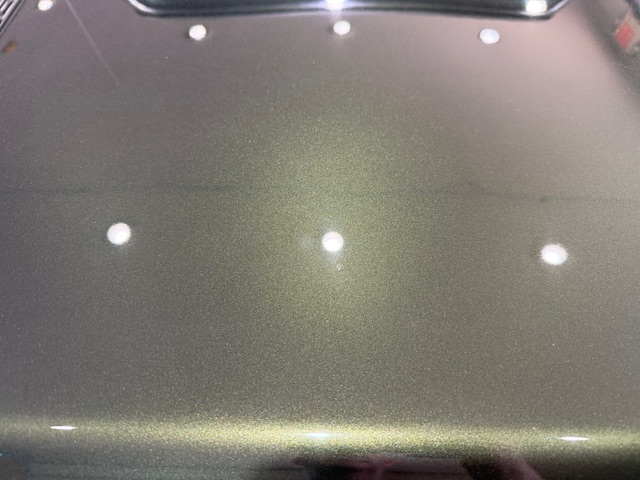
Before applying PPF, technicians inspect the paint under proper lighting conditions to identify swirl marks, light scratches, and other surface imperfections.
Because Paint Protection Film is transparent, existing defects can remain visible beneath the film. In many cases, paint correction is recommended before installation to improve the final appearance.
Paint correction can help:
- Remove swirl marks
- Eliminate light scratches
- Restore gloss and clarity
- Create a smoother bonding surface
This step is particularly valuable for vehicle owners seeking a showroom-quality finish.
Isopropyl Alcohol Wipe Down
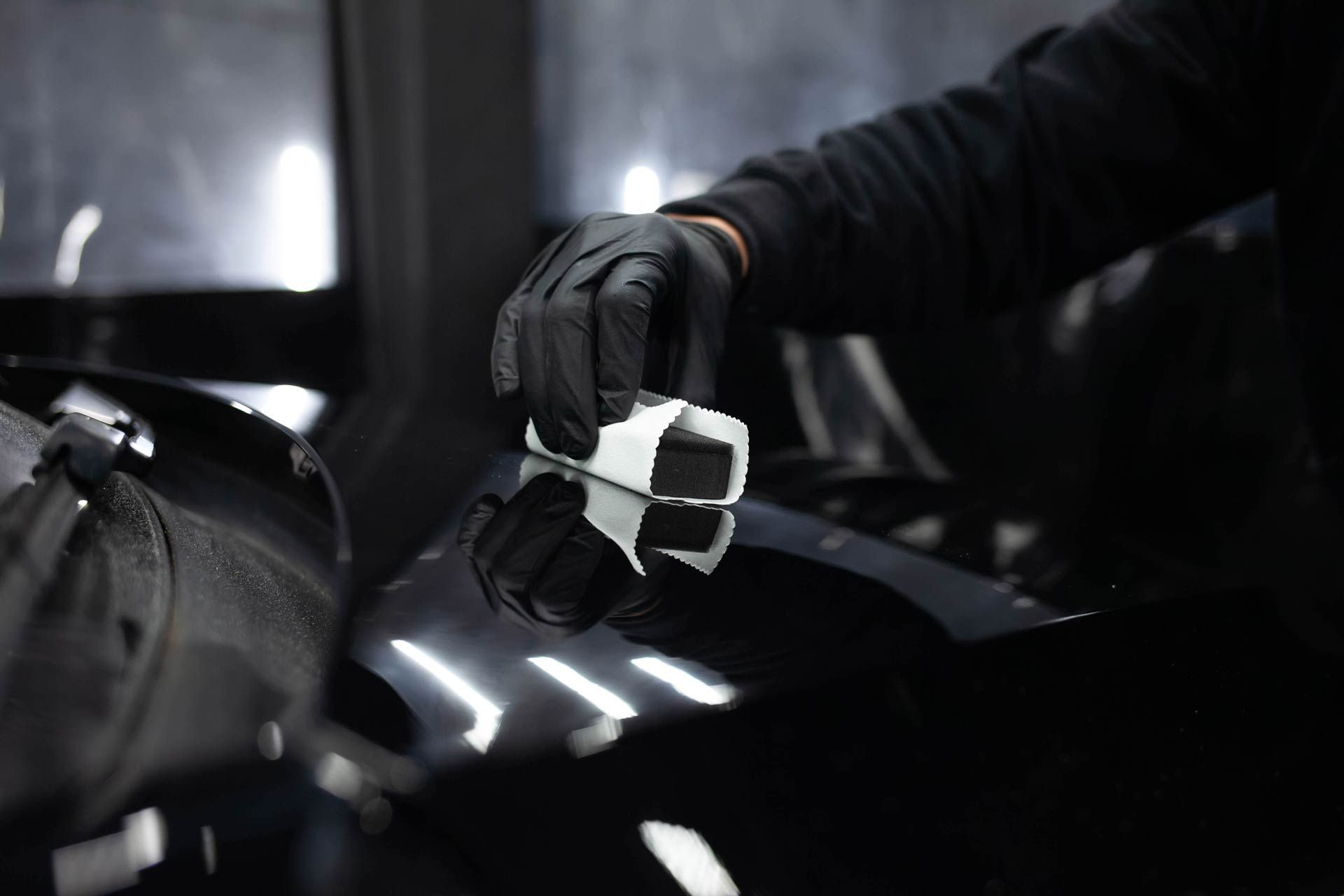
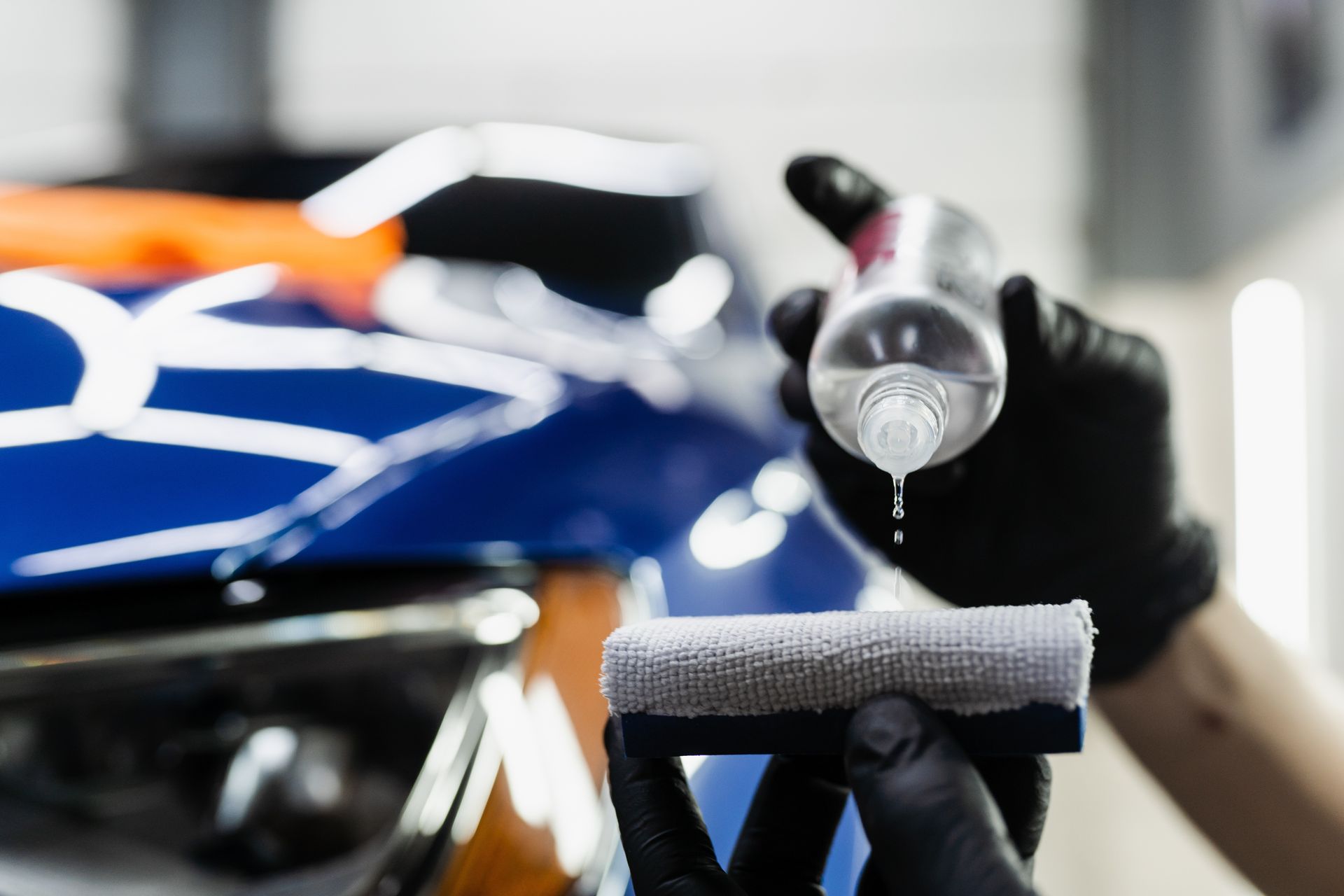
Once correction is complete, the surface is wiped down using an isopropyl alcohol (IPA) solution.
This critical step removes:
- Wax residue
- Polishing oils
- Fingerprints
- Silicone-based products
The result is a completely clean surface that allows the adhesive to bond properly with the paint.
Common Mistakes That Lead to PPF Failure
Many PPF problems can be traced back to poor preparation rather than the film itself.
Skipping Decontamination
Failing to use a clay bar can leave contaminants trapped beneath the film, leading to visible imperfections and reduced adhesion.
Installing Over Paint Defects
Applying film over scratches or swirl marks may lock those imperfections beneath the protective layer, affecting the vehicle's appearance.
Rushing the Process
Surface preparation takes time. Attempting to speed through the cleaning and inspection process can result in trapped debris, moisture, or improper bonding.
Using Improper Cleaning Products
Household cleaners, low-quality towels, or oily detailing products can leave residue behind and interfere with adhesion.
Professional installers use specialized automotive products designed specifically for PPF preparation.
Professional Installation vs. DIY PPF
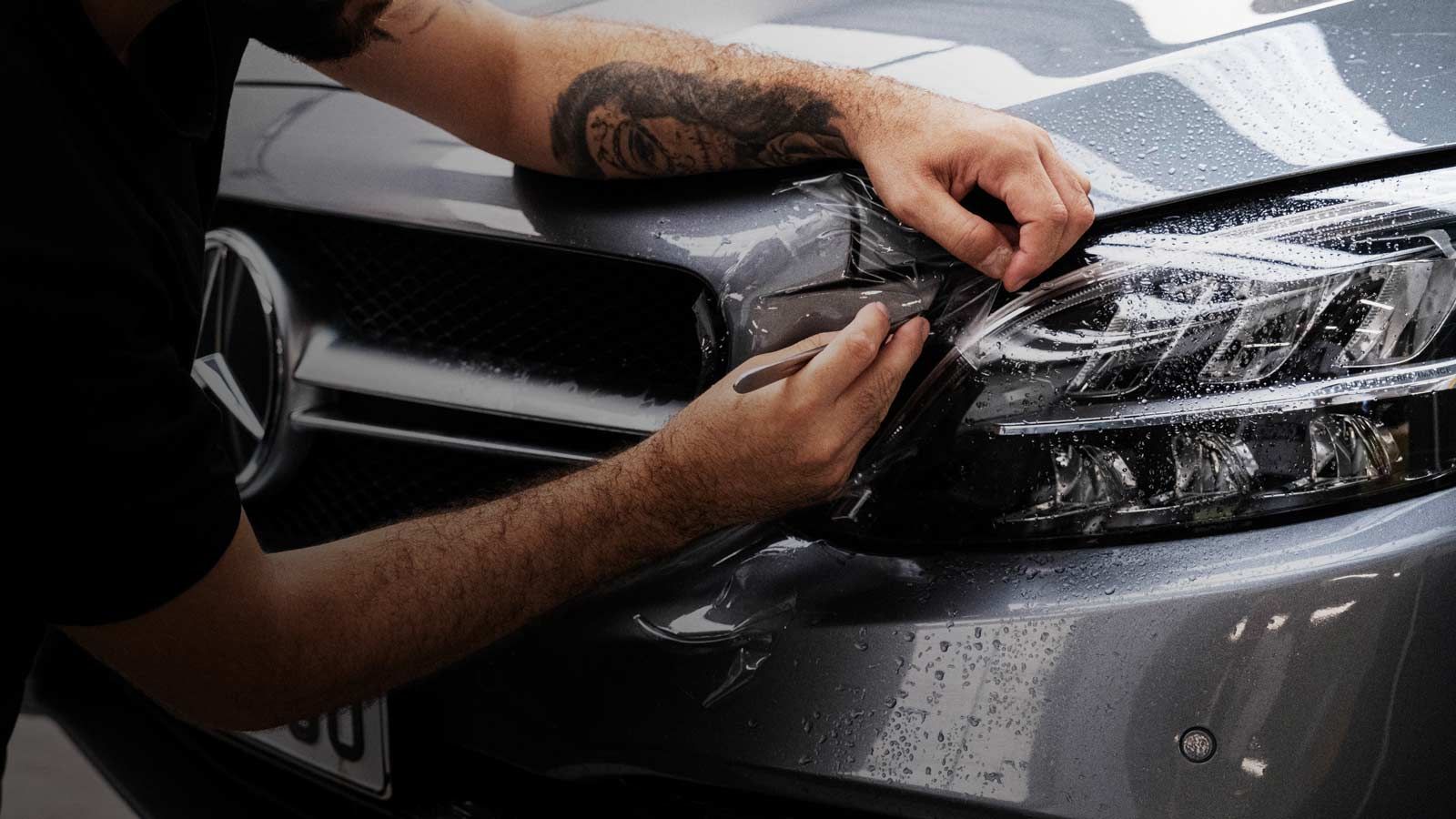
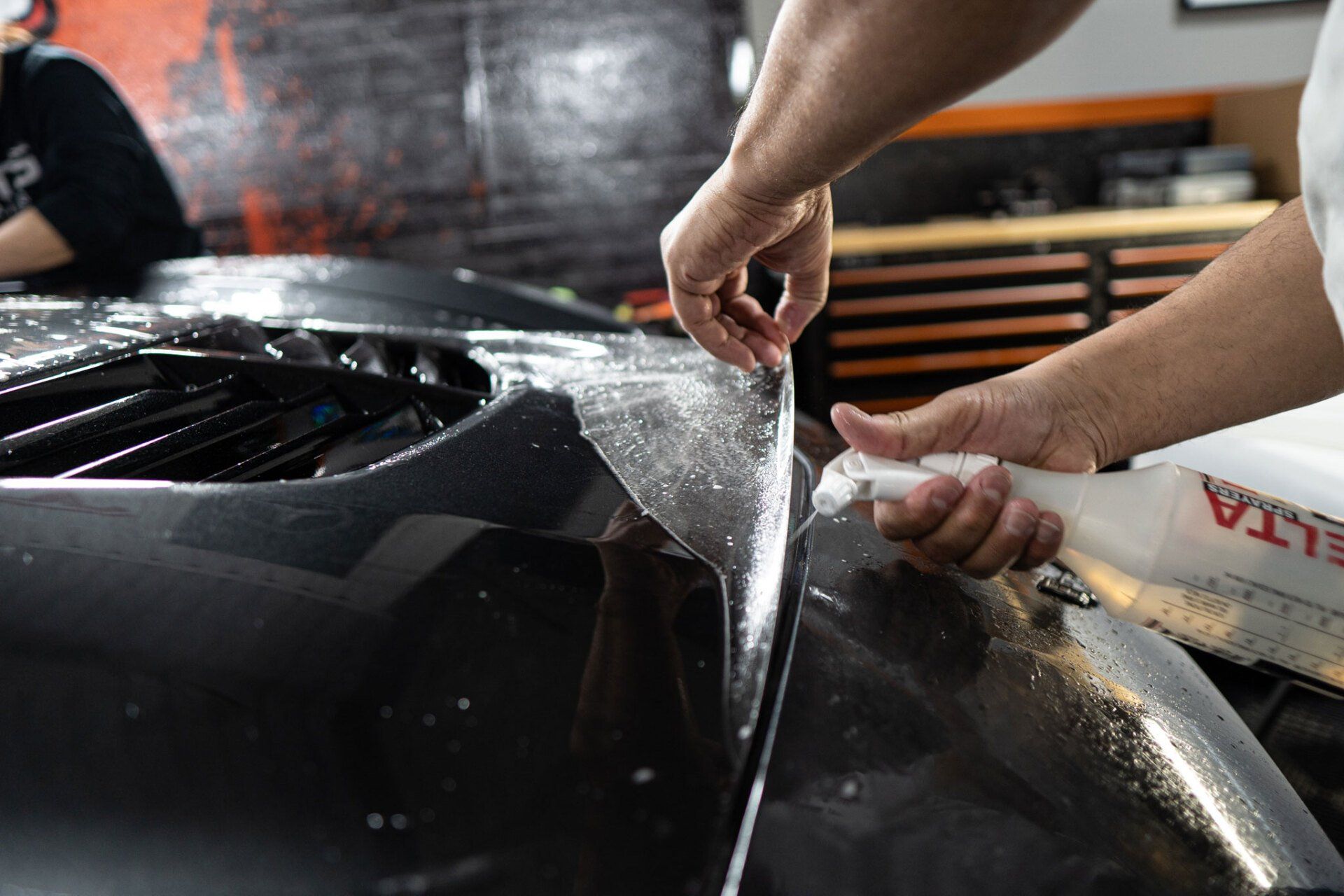
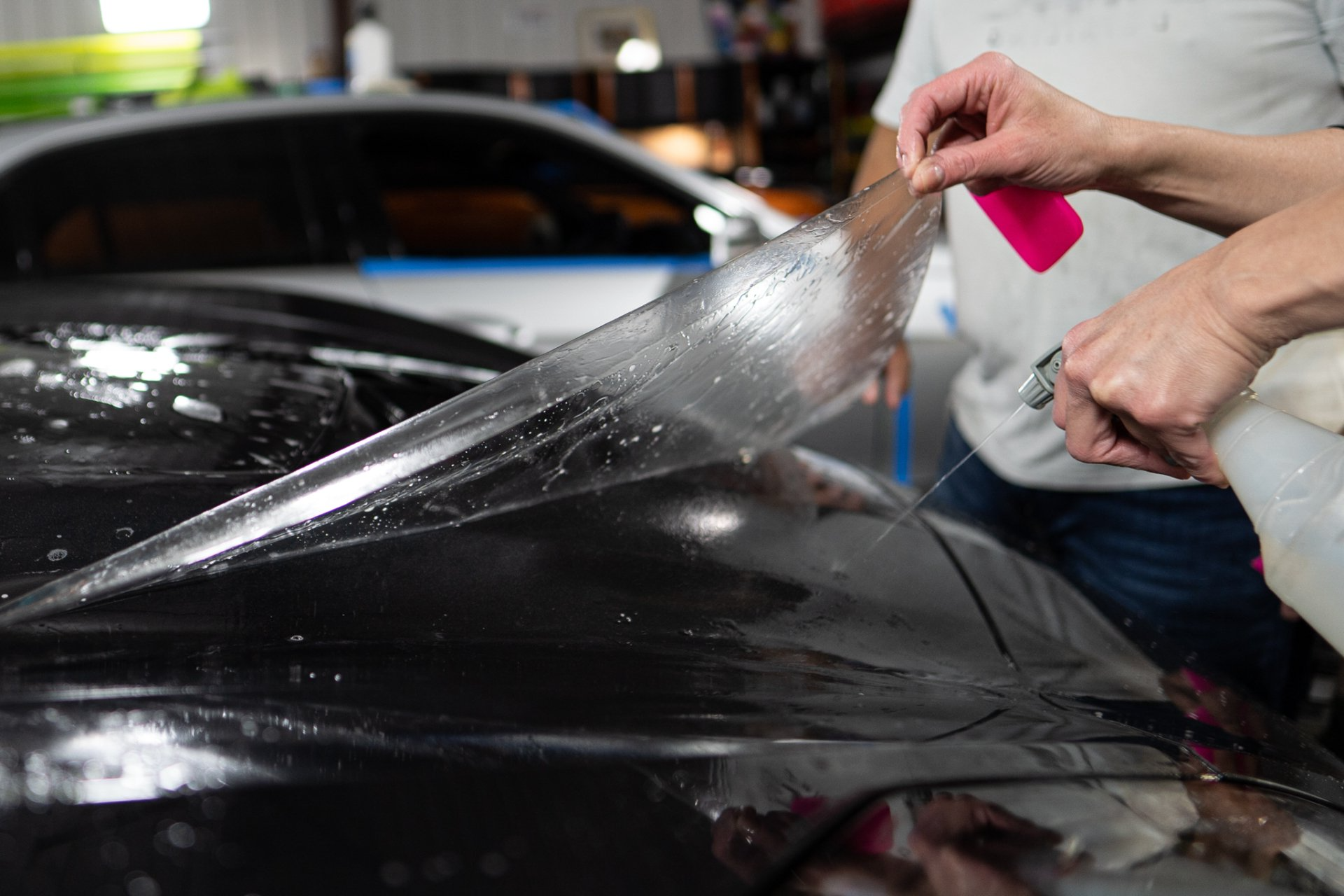
While DIY PPF kits are widely available, achieving professional results requires more than simply applying the film.
Professional installers have access to:
- Controlled installation environments
- Specialized tools
- Precision cutting software
- Advanced training and experience
- Professional-grade preparation products
At Vehicle Enhancement Inc., every installation follows a detailed preparation process designed to maximize performance and appearance.
DIY installations often encounter challenges such as:
- Air bubbles
- Misalignment
- Peeling edges
- Contamination beneath the film
- Reduced durability
For vehicle owners seeking long-term protection and optimal aesthetics, professional installation remains the most reliable solution.
How Proper Preparation Extends PPF Lifespan
The lifespan of Paint Protection Film depends heavily on the quality of the installation process.
When preparation is performed correctly, the film can maintain its appearance and protective properties for years. Strong adhesion helps prevent lifting, while a contaminant-free surface minimizes the risk of defects developing over time.
Proper preparation also supports the self-healing properties found in many premium PPF products, helping the film maintain a smoother appearance throughout its lifespan.
Vehicle owners who invest in professional preparation often experience:
- Better long-term durability
- Improved appearance
- Reduced maintenance concerns
- Greater return on investment
| Maintenance Aspect | What to Do | What to Avoid | Why It Matters |
|---|---|---|---|
| Routine Cleaning | Use pH-neutral soap and water | Avoid abrasive pads and harsh chemicals | Protects the self-healing topcoat |
| Stain Removal | Soak and wipe gently with microfiber | Scrubbing with rough materials | Prevents surface scratching |
| Film Inspection | Check for lifting or bubbling | Ignoring cracks or peeling | Prevents dirt from getting underneath |
| Protection Enhancement | Apply PPF-safe wax occasionally | Using standard wax with harsh solvents | Maintains ultra-clear finish |
Frequently Asked Questions
Can PPF be installed over scratches?
While it can be installed over minor scratches, those imperfections often remain visible beneath the film. Paint correction is recommended whenever possible before installation.
How long does surface preparation take?
Preparation time varies depending on the condition of the vehicle. Thorough washing, decontamination, inspection, and paint correction can take several hours before installation begins.
Does wax affect PPF adhesion?
Yes. Wax, polishing oils, and other residues can interfere with the adhesive and reduce bonding strength. This is why professional installers use an IPA wipe-down before applying the film.
Is paint correction necessary before PPF?
Not always, but it is highly recommended for vehicles with visible swirl marks, scratches, or paint defects.
Protect Your Vehicle with Professional PPF Installation
A successful Paint Protection Film installation begins with proper preparation. Thorough cleaning, decontamination, paint correction, and surface inspection all play a vital role in ensuring long-lasting protection and a flawless finish.
At Vehicle Enhancement Inc., we take every step necessary to prepare your vehicle correctly before installation. Our attention to detail helps deliver superior results that protect your investment and keep your vehicle looking its best.
If you're considering Paint Protection Film in Cedar City, St. George, Hurricane, Richfield, or the surrounding Southern Utah communities,
contact Vehicle Enhancement Inc. today to schedule a consultation and learn more about our professional vehicle protection solutions.