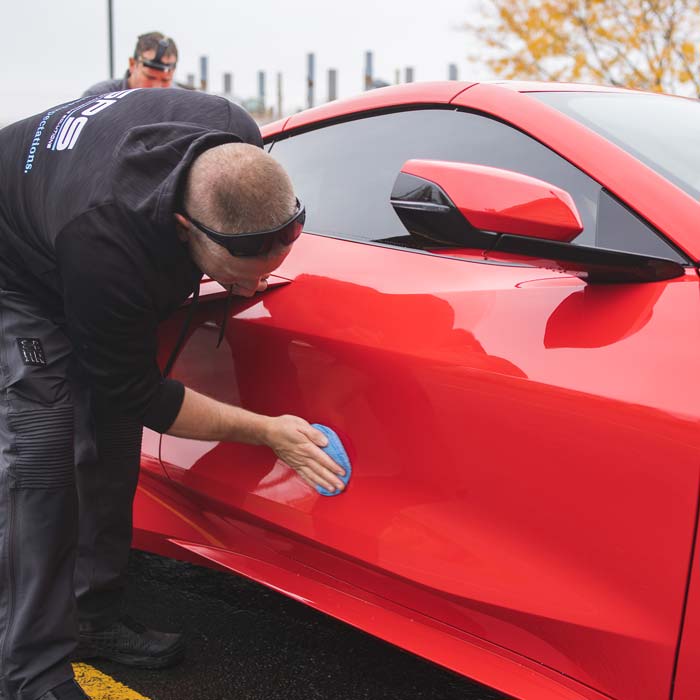
DIY Ceramic Coatings: Are They Worth the Risk for Your Vehicle?
DIY ceramic coatings can add gloss, water repellency, and temporary protection at a lower upfront cost. However, they are only worth the risk when the vehicle owner has the right tools, a clean workspace, enough time, and the skill to prepare and coat the paint correctly.
For drivers who want dependable results, corrected paint, and longer-lasting protection, professional ceramic coating is usually the safer investment. Vehicle Enhancement Inc. helps Dayton-area vehicle owners choose the right approach for their vehicle and expectations.
What Is a DIY Ceramic Coating?
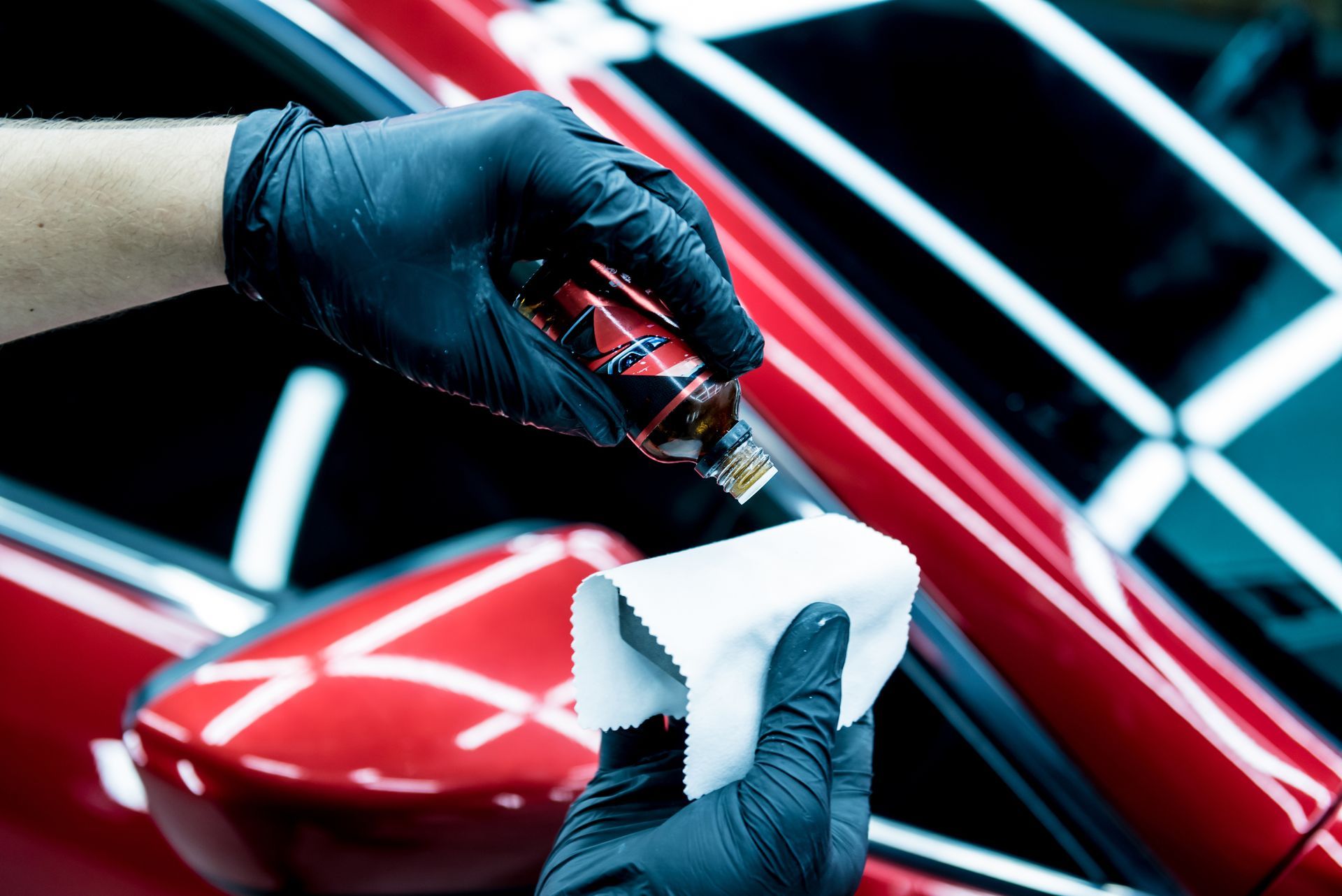
A ceramic coating is a liquid product that bonds to a properly prepared painted surface. After curing, it can enhance gloss, improve water beading, and make routine washing easier.
A DIY ceramic coating may help the paint resist dirt, road grime, bird droppings, bug residue, ultraviolet exposure, and chemical contamination. It may also reduce the likelihood of minor swirl marks when the vehicle is washed carefully.
Ceramic coating does not make a vehicle scratch-proof. It cannot repair existing defects, prevent dents, or provide the same impact protection as paint protection film. Understanding these limits is essential before choosing a consumer coating or professional installation.
Why Surface Preparation Determines the Result
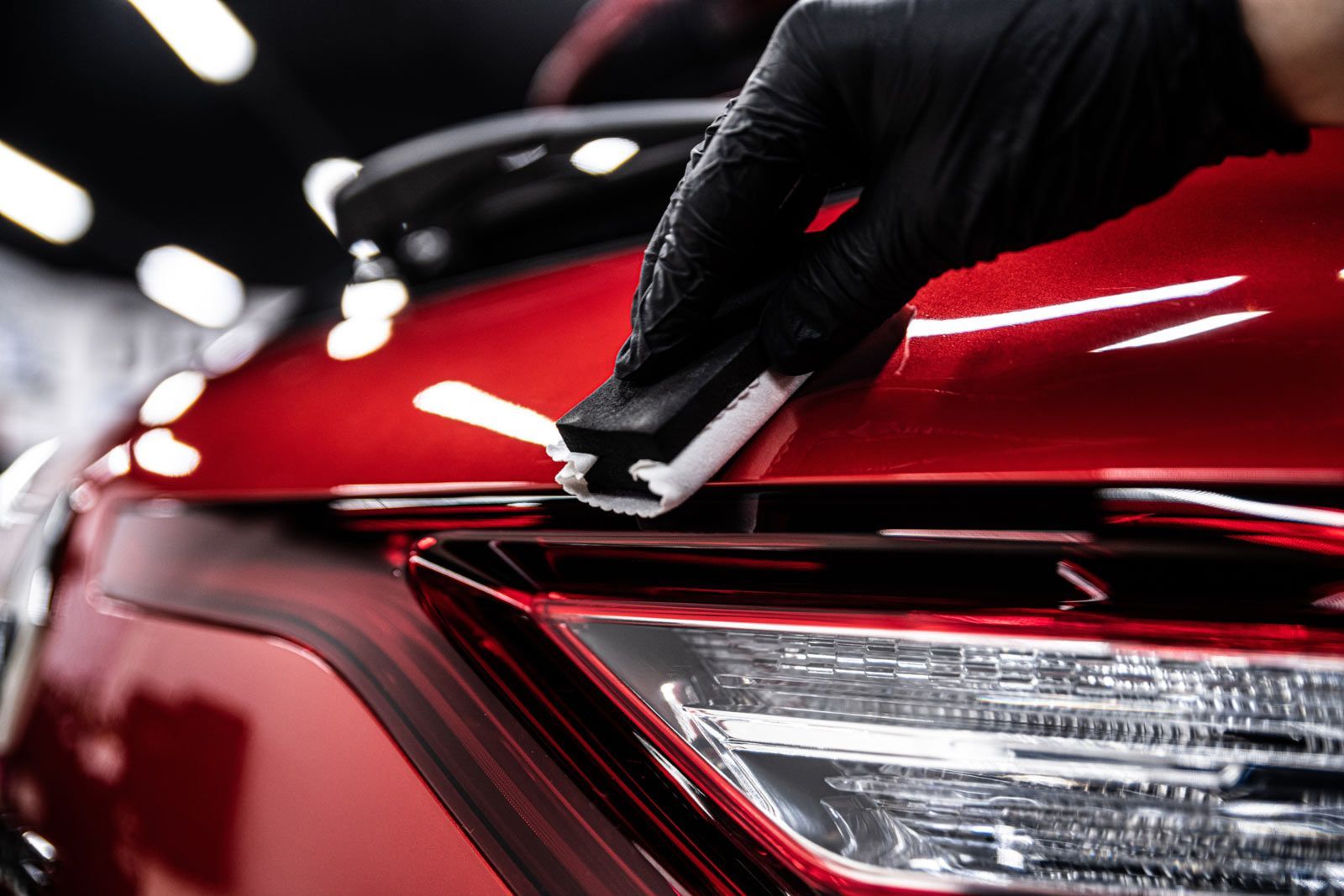
Paint preparation has a major effect on coating adhesion, appearance, and durability. Ceramic coating is transparent, so swirl marks, oxidation, water spots, polishing residue, and embedded contamination may remain visible beneath it.
A proper preparation process usually includes washing, decontamination, paint inspection, polishing when needed, and a final surface wipe.
Thorough Washing and Decontamination
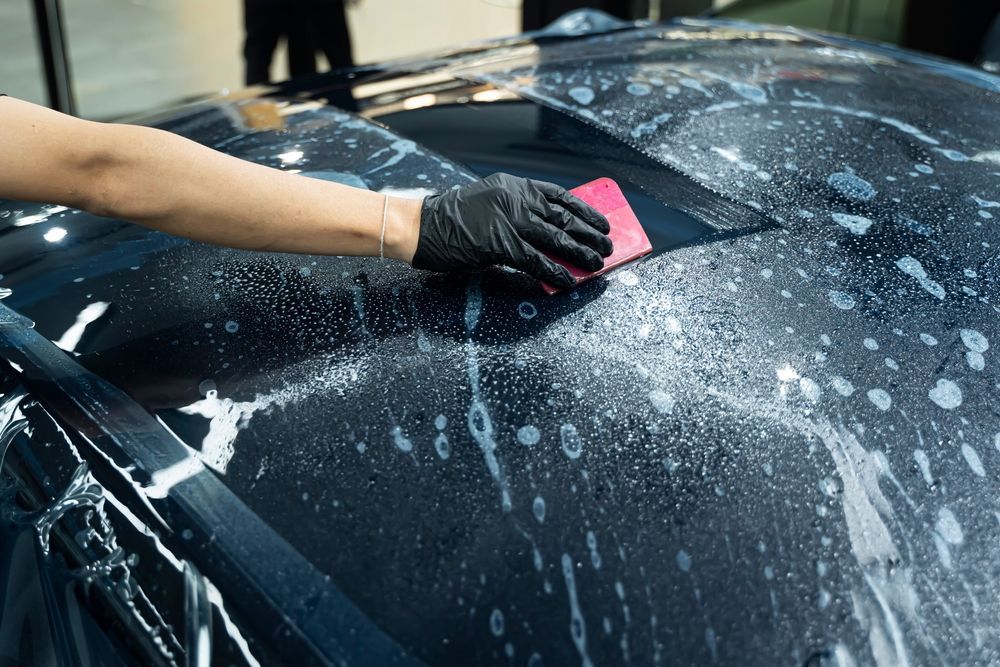
The vehicle must be washed carefully to remove loose dirt, traffic film, salt, insect residue, and other contamination. Products that leave behind wax or gloss enhancers may interfere with adhesion.
Even clean-looking paint can contain bonded brake dust, tar, tree sap, industrial fallout, and road residue. Chemical decontamination and clay treatment can help create a smoother surface, but improper claying may add marring that later requires polishing.
Paint Correction
Paint correction improves the surface before protection is installed. Depending on the condition of the vehicle, polishing may reduce light swirl marks, haze, oxidation, and other visible defects.
This is often the most difficult part of a DIY project. Incorrect pad selection, excessive pressure, poor machine control, or unnecessary polishing can create new defects or remove more clear coat than needed. Vehicle owners without polishing experience should consider a professional paint evaluation.
Final Surface Preparation
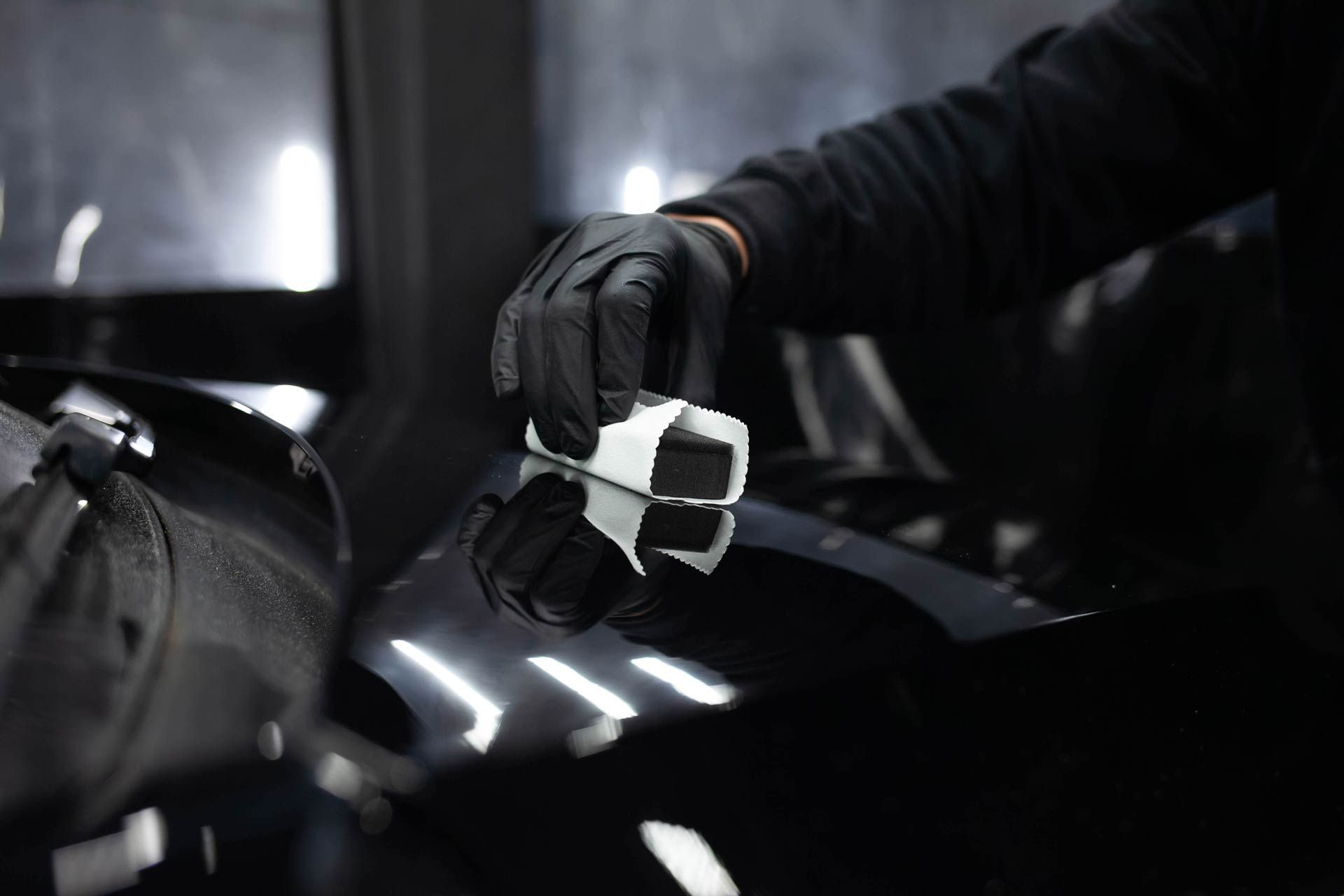
After polishing, the paint should be wiped with an appropriate preparation product to remove residual oils and dust. Skipping this step may contribute to streaking, poor adhesion, or uneven performance.
What Can Go Wrong With DIY Ceramic Coating?
DIY coatings may be more forgiving than professional products, but application mistakes can still affect the finish.
High Spots and Uneven Coverage
High spots form when excess product is not leveled before it cures. They may appear as dark patches, rainbow-like marks, or uneven glossy areas. Once hardened, they may require machine polishing and reapplication.
Applying too much coating in one area and too little in another can also create inconsistent gloss and water behavior. Working in small sections with proper lighting helps, but even coverage still requires patience.
Dust, Weather, and Incomplete Curing
Ceramic coating should be applied in a clean, shaded, and controlled environment. Wind, pollen, dust, humidity, moisture, and changing temperatures can interfere with application and curing.
The vehicle must remain protected from water and contamination for the period specified by the manufacturer. Unexpected rain, condensation, or washing too soon may affect performance or leave visible marks.
Chemical Handling
Consumer coatings should still be handled carefully. Users should follow all instructions for gloves, ventilation, eye protection, and safe storage. Home use does not make the process risk-free.
Is a DIY Ceramic Coating Really Less Expensive?
A DIY kit usually costs less than professional service, but the bottle is not the only expense. A complete project may require wash supplies, chemical decontamination products, clay media, a machine polisher, pads, polishing products, preparation solution, applicators, towels, inspection lighting, and protective equipment.
The work may also take a full day or an entire weekend. If mistakes require correction or reapplication, the original savings can shrink quickly.
The comparison is not simply product price versus professional service price. Vehicle owners should also consider tools, labor, workspace, paint correction, expected durability, and the cost of fixing an unsatisfactory result.
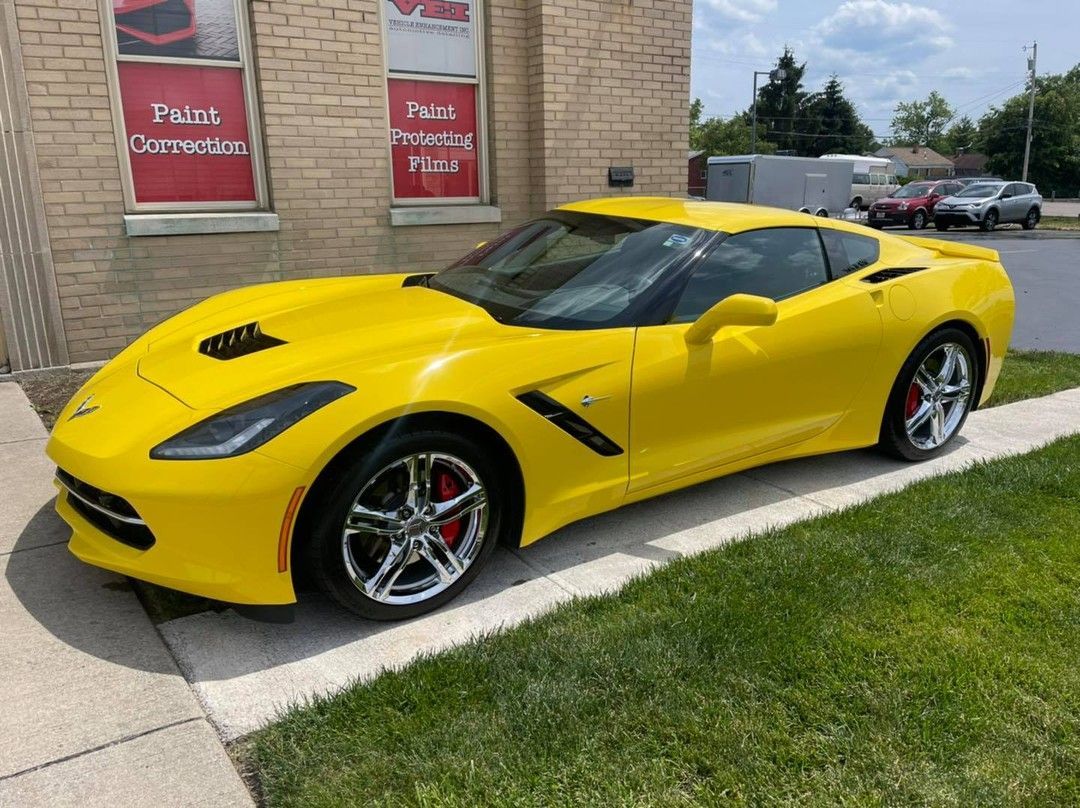
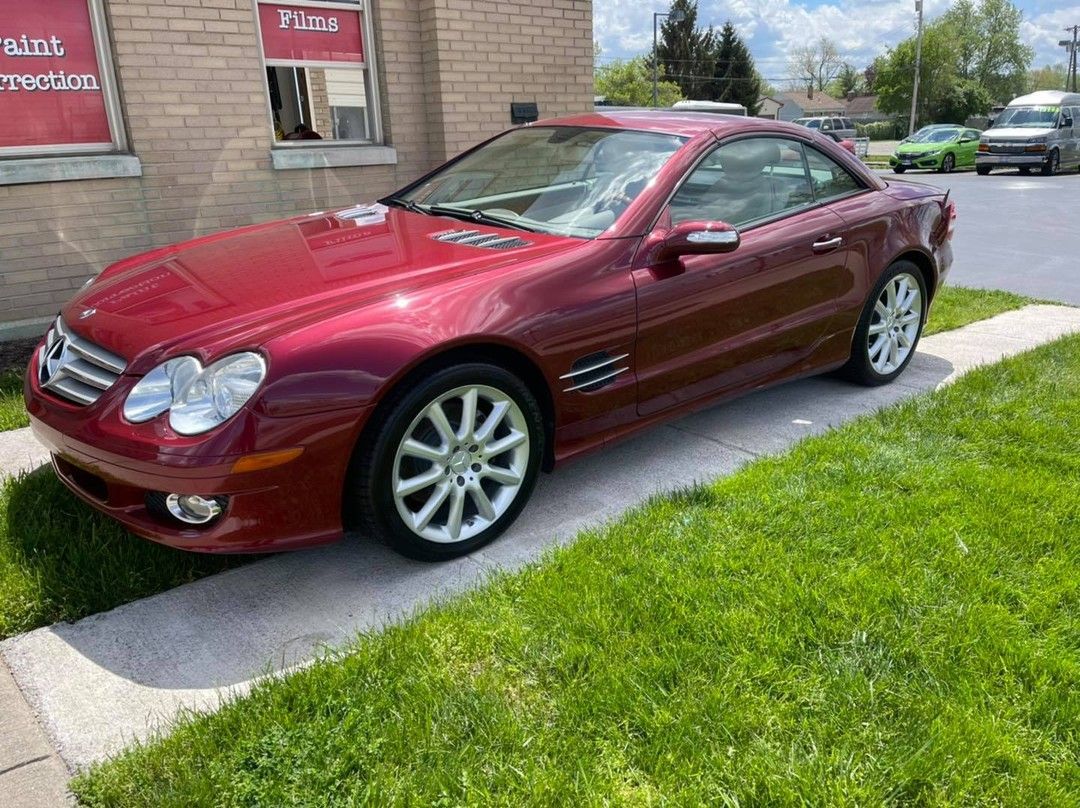
When Does DIY Ceramic Coating Make Sense?
A DIY coating may be reasonable when:
- You understand automotive washing and decontamination
- You have experience polishing paint safely
- The paint is already in good condition
- You have a clean, enclosed workspace
- You enjoy detailed vehicle projects
- You can follow exact application instructions
- You accept that appearance and durability may vary
For experienced enthusiasts, the process can be rewarding. It may also provide useful protection when expectations match the selected product.
When Is Professional Ceramic Coating the Better Choice?
Professional ceramic coating is usually the stronger option when:
- You want consistent coverage and a refined finish
- The paint has swirl marks, haze, oxidation, or water spots
- You recently purchased a new or high-value vehicle
- You do not own polishing equipment
- You have limited time or no suitable workspace
- You want professional paint correction before coating
- You value aftercare guidance
- You do not want to correct application mistakes later
A professional service should include paint inspection, preparation based on vehicle condition, controlled installation, and clear maintenance recommendations.
Does a New Vehicle Need Paint Correction?
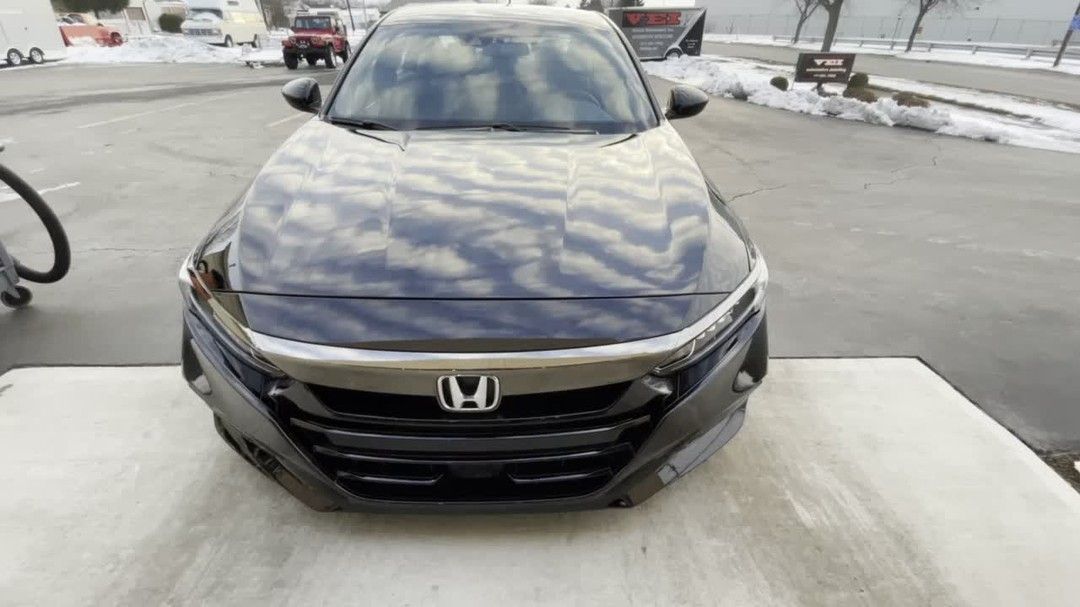
New vehicles are not always free from defects. Transportation, dealership washing, outdoor storage, adhesive removal, and improper drying can introduce light swirl marks, water spots, or residue before delivery.
The paint should be inspected under proper lighting before coating. Some new vehicles may only need light polishing, while others require more correction. Applying ceramic coating without an inspection may preserve defects that could have been improved first.
Ceramic Coating or Paint Protection Film?
Ceramic coating and paint protection film serve different purposes.
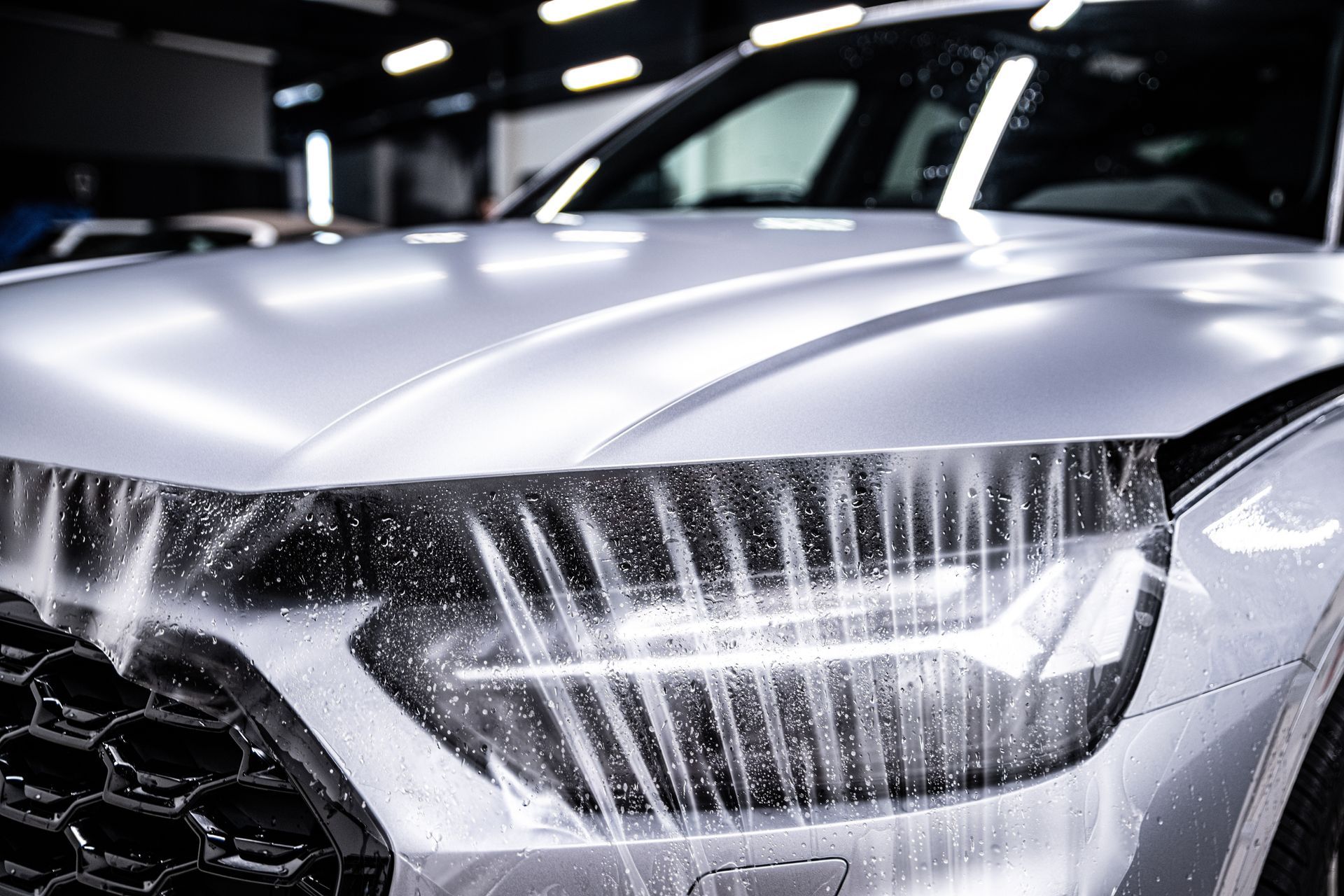
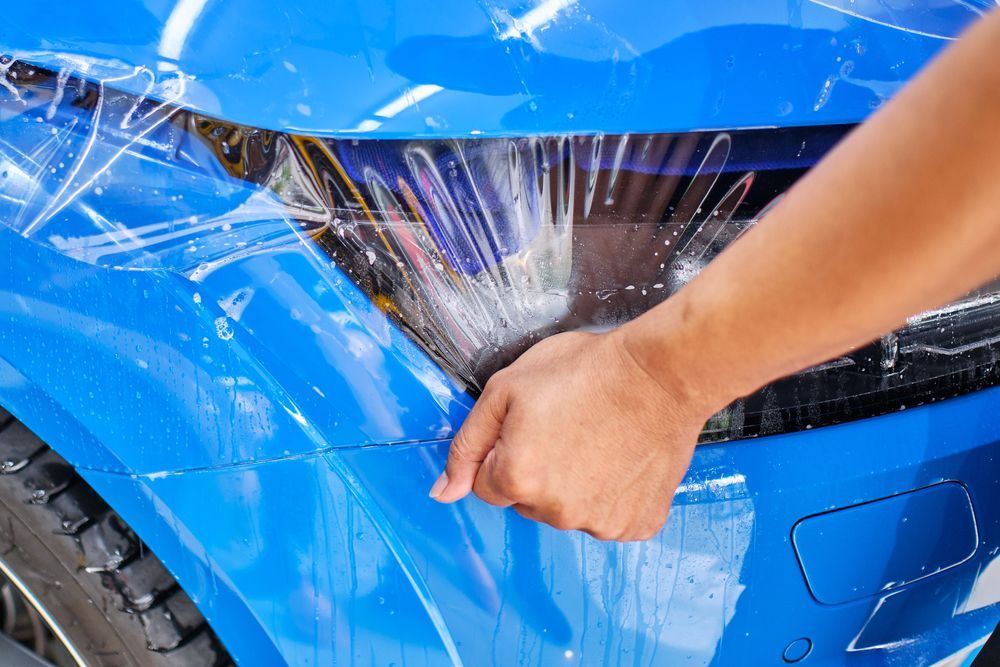
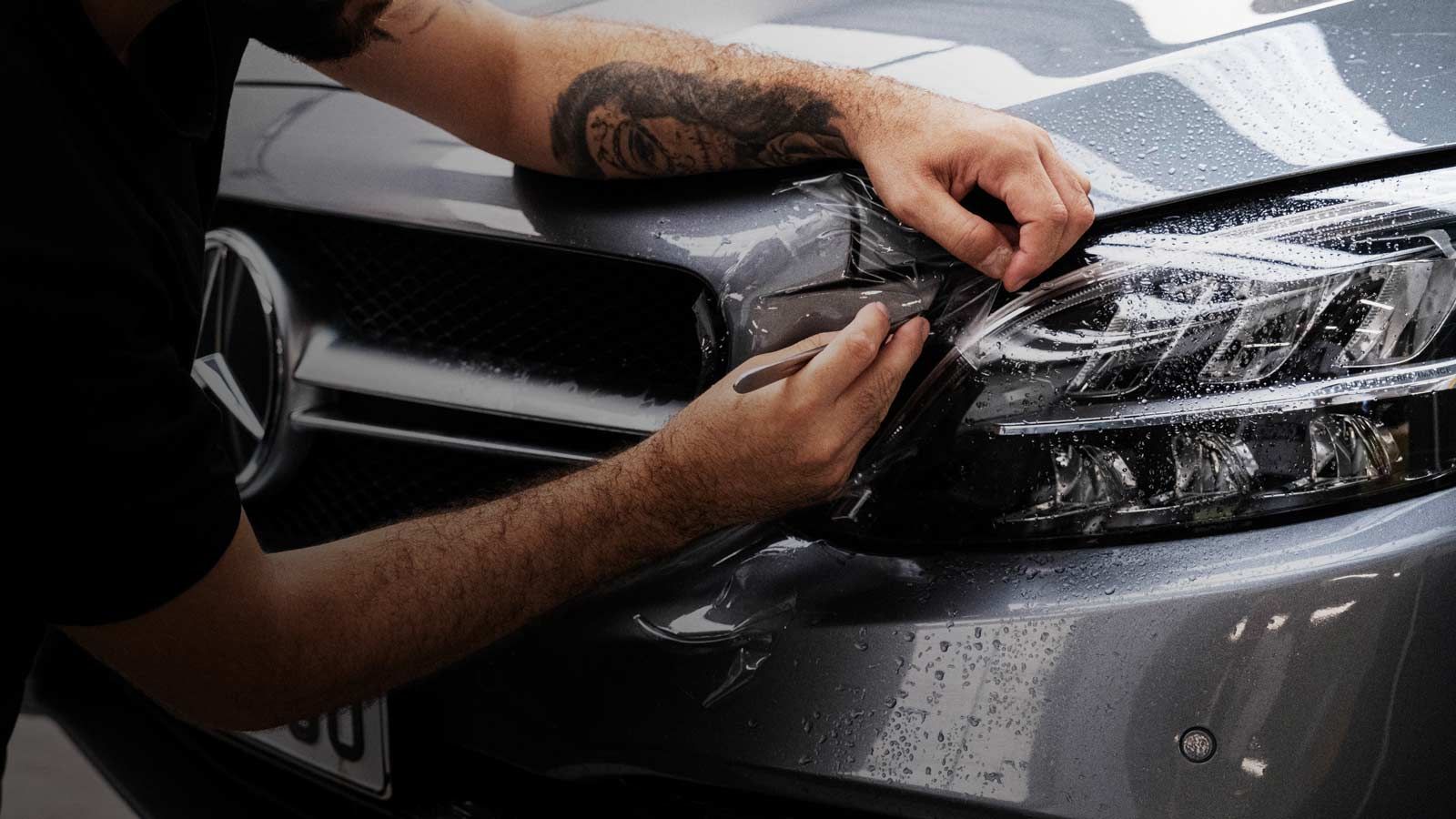
Ceramic coating enhances gloss, improves water behavior, resists environmental contamination, and makes maintenance easier. Paint protection film creates a thicker physical barrier for areas exposed to rock chips, road debris, and minor impacts.
Dayton-area drivers who spend significant time on highways may benefit from paint protection film on the front bumper, hood, fenders, mirrors, or other high-impact areas. Ceramic coating can then support easier cleaning and gloss on compatible film and painted surfaces.
Vehicle Enhancement Inc. provides ceramic coatings, paint correction, and paint protection film, allowing customers to select one service or combine them into a more complete protection plan.
Choose Professional Vehicle Protection in Dayton, Ohio
DIY ceramic coating can be worthwhile for experienced enthusiasts with the right tools, time, workspace, and expectations. For most vehicle owners, professional installation offers greater consistency, proper paint preparation, and less risk of visible application errors.
Vehicle Enhancement Inc. serves Dayton, Miamisburg, Oakwood, Kettering, Springboro, Centerville, Beavercreek, and nearby communities. Our team evaluates each vehicle and recommends ceramic coating, paint correction, paint protection film, or a combination based on its condition and use.
Protect your investment with professional care you can trust.
Contact or call Vehicle Enhancement Inc. at
(937) 361-7993 to schedule a consultation.