Ceramic Coating for High-Mileage Cars: Protection, Cost, and Is It Worth It?
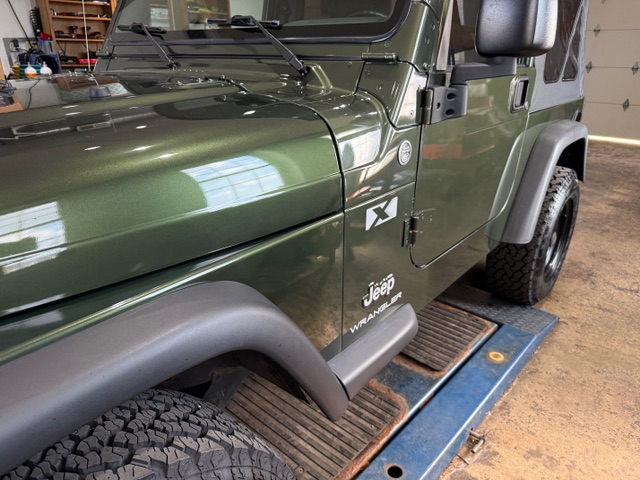
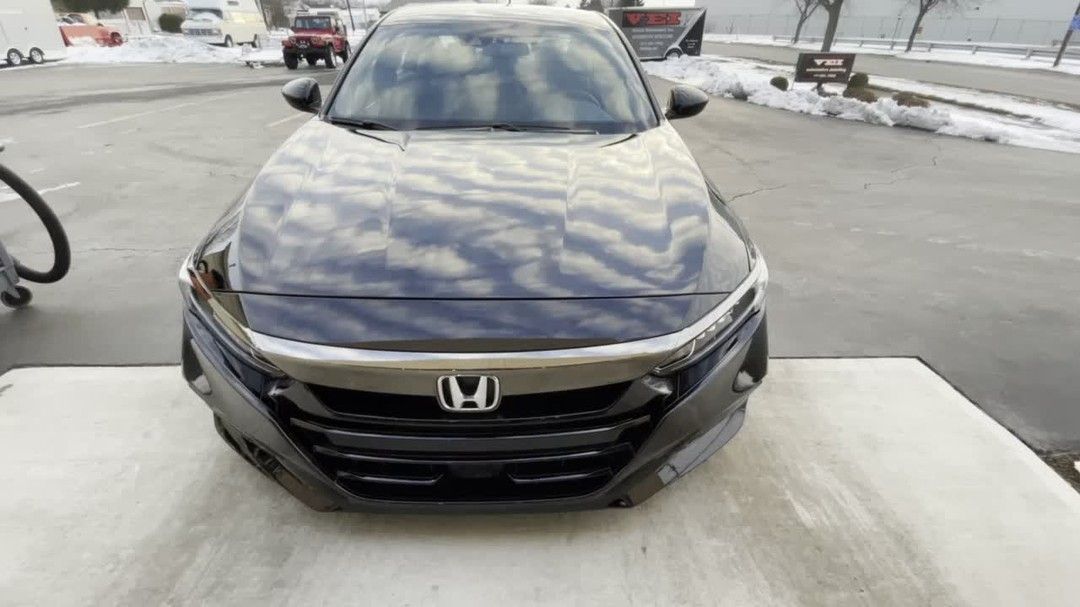
If your vehicle has over 100,000 miles on the odometer, you may wonder whether investing in ceramic coating still makes sense. Many high-mileage cars show signs of wear from years of sun exposure, road debris, automatic car washes, and environmental contaminants. While ceramic coating cannot reverse existing damage, it can help preserve your vehicle's paint and make maintenance easier for years to come.
For many drivers in Dayton, Beavercreek, Centerville, Kettering, Oakwood, Springboro, and Miamisburg, ceramic coating is a practical way to protect an aging vehicle while maintaining its appearance and value.
Is Ceramic Coating Worth It for a High-Mileage Car?
Yes, ceramic coating can be worth it for a high-mileage vehicle, especially if you plan to keep it for several more years.
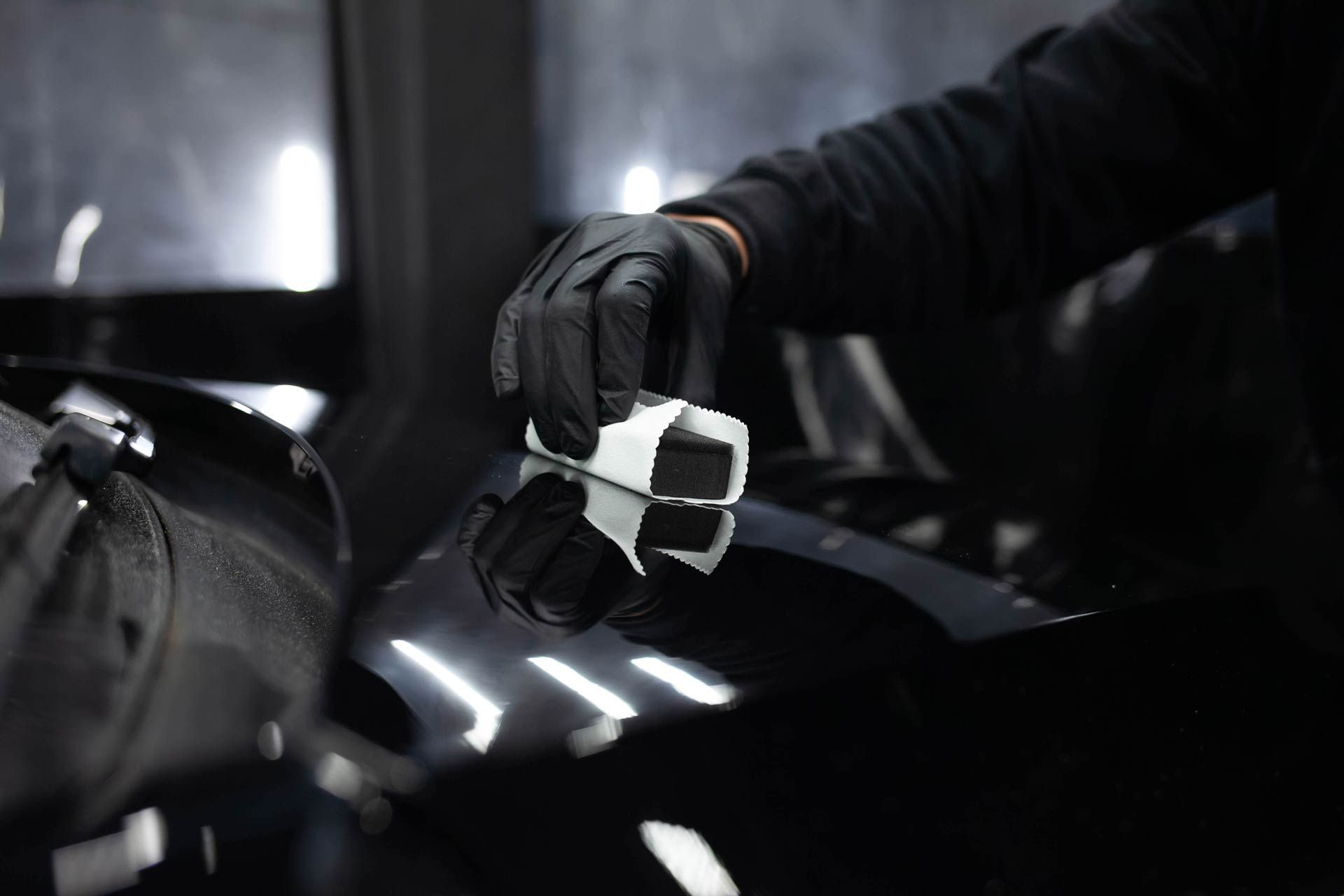
A professionally applied ceramic coating creates a durable protective layer that bonds to your vehicle's paint. This layer helps shield the surface from UV rays, road salt, bird droppings, tree sap, and other contaminants that can cause long-term damage.
High-mileage vehicles often have paint that has experienced years of exposure to Ohio weather conditions. Ceramic coating helps slow further deterioration while making routine washing and maintenance significantly easier.
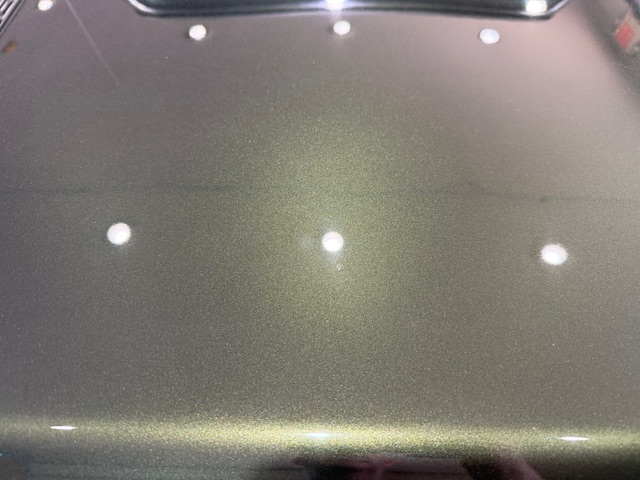
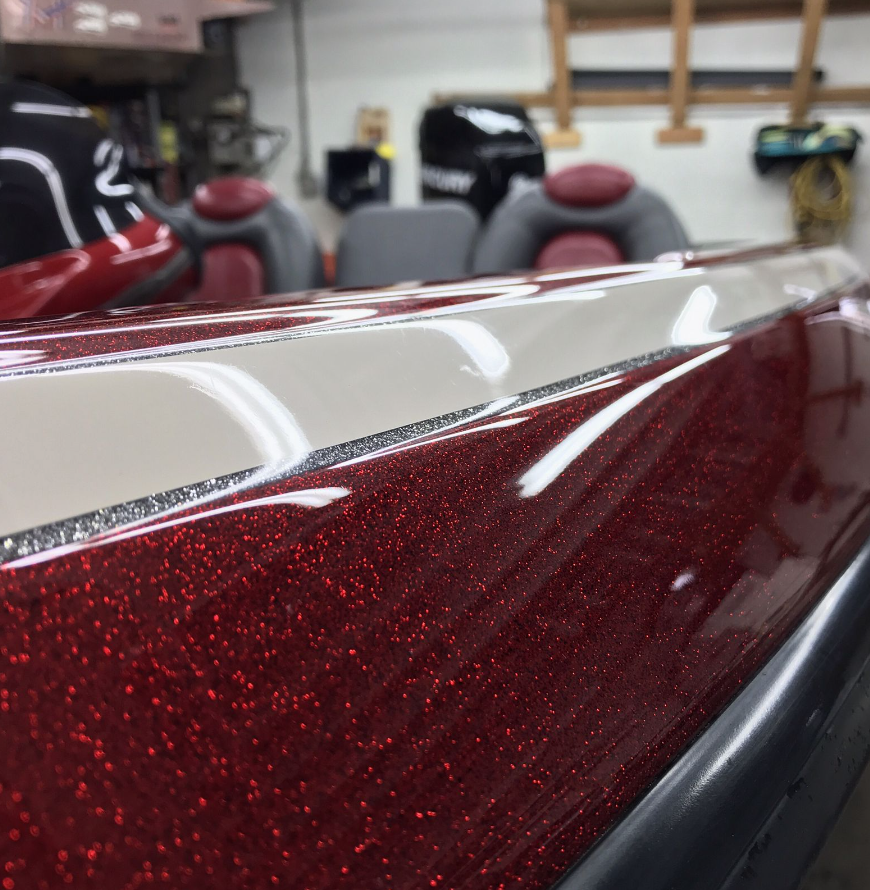
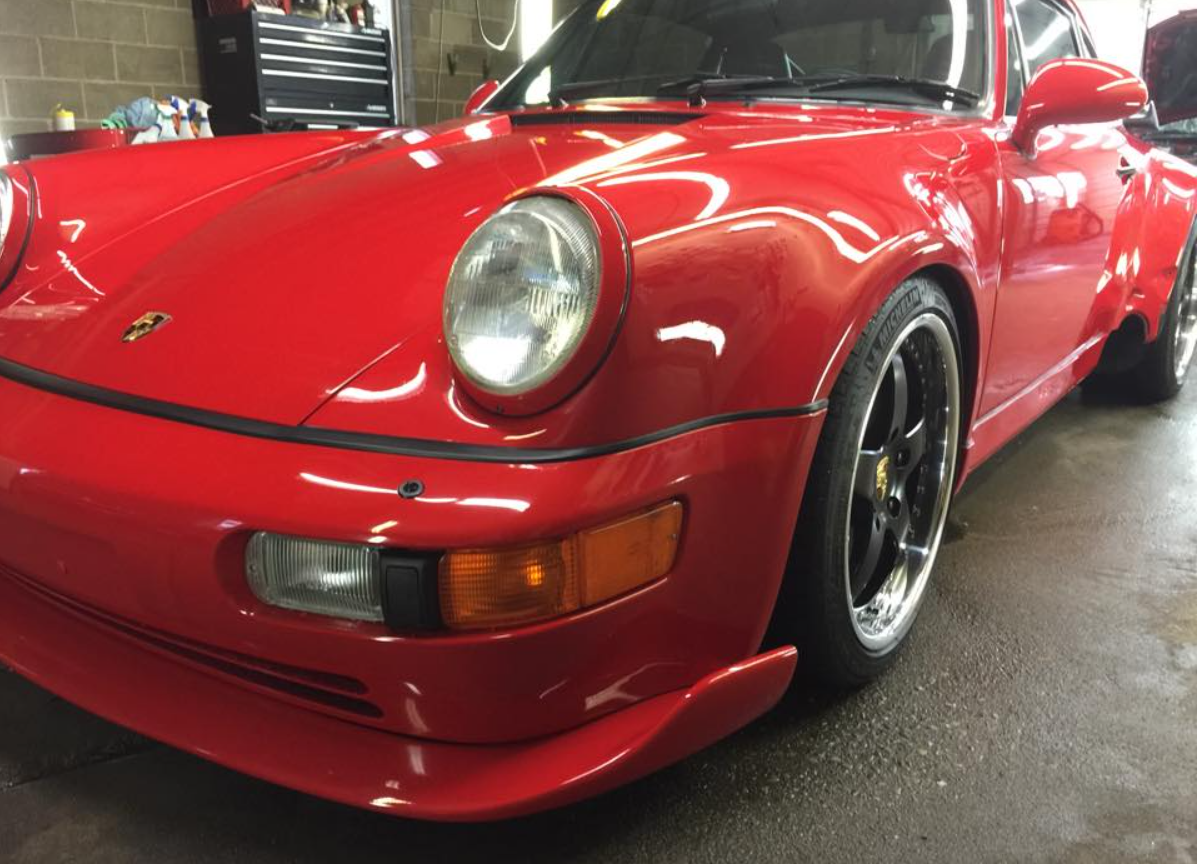
The best results typically come when ceramic coating is paired with professional paint correction. This process removes many surface imperfections before the coating is applied, allowing the finish to look cleaner, glossier, and more uniform.
How Ceramic Coating Protects Older Vehicle Paint
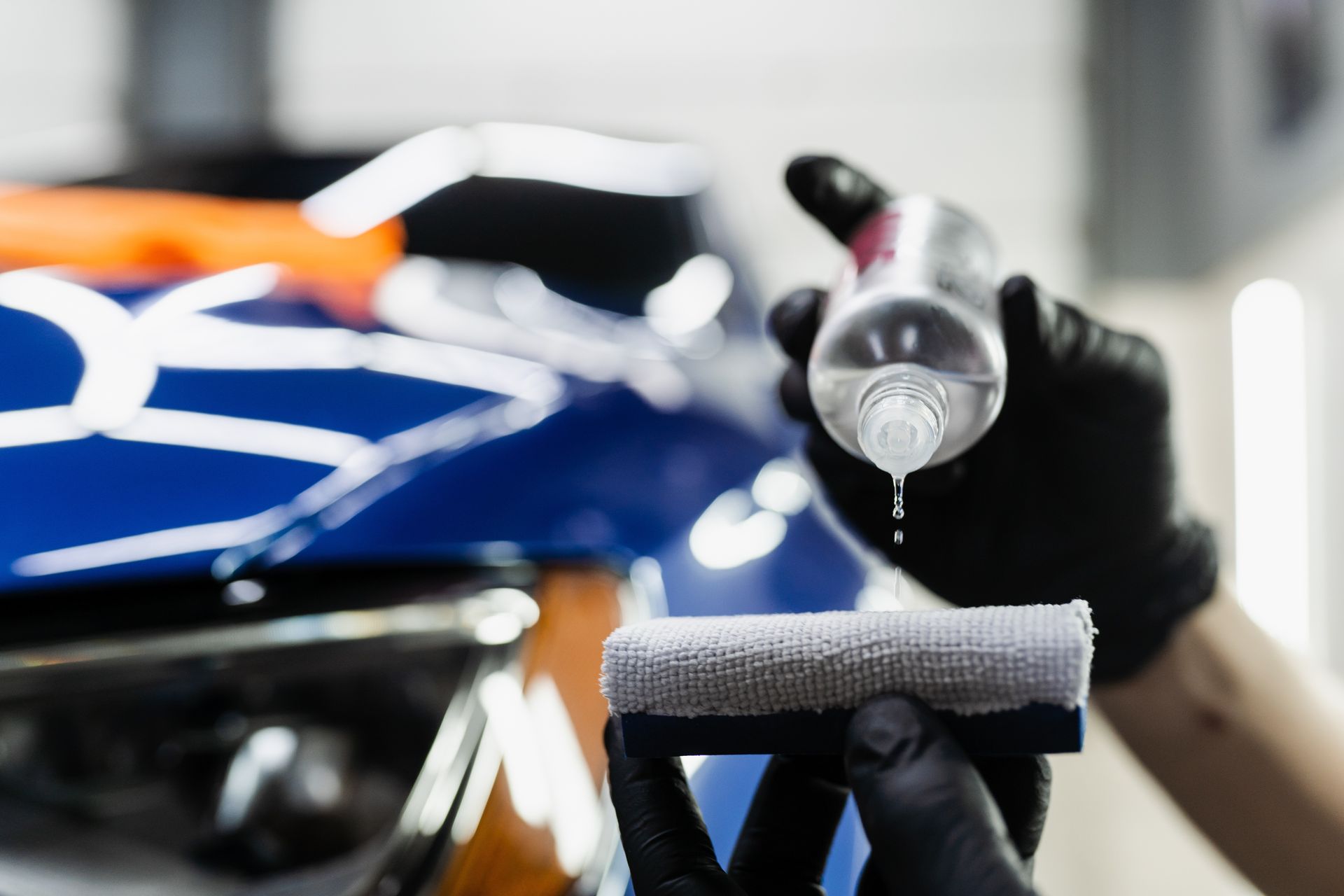
Unlike traditional waxes and sealants that sit on top of the paint, ceramic coatings form a semi-permanent bond with the vehicle's clear coat.
This protective layer provides several important benefits:
UV Protection
Constant sun exposure can cause paint oxidation and fading over time. Ceramic coatings help block harmful UV rays, preserving the color and clarity of your vehicle's finish.
Resistance to Contaminants
Bird droppings, bug splatter, tree sap, road salt, and industrial fallout can damage unprotected paint. Ceramic coatings create a barrier that helps reduce the risk of staining and etching.
Easier Cleaning
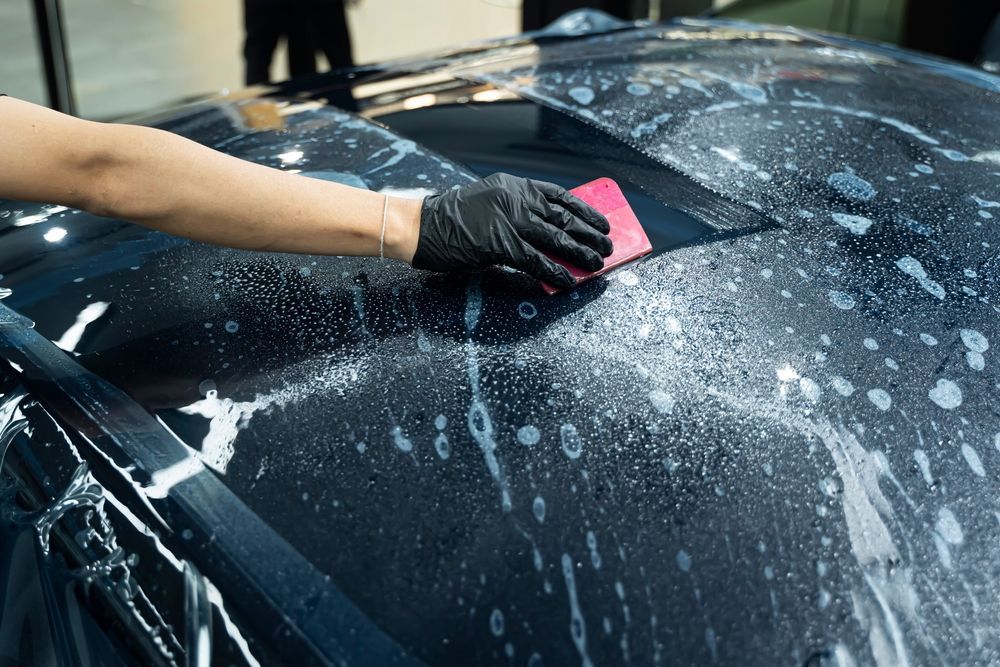
One of the most popular benefits is the coating's hydrophobic properties. Water beads and rolls off the surface more easily, carrying dirt and debris away with it. This means less effort during washes and a cleaner appearance between cleanings.
Reduced Swirl Marks
While ceramic coating does not make your vehicle scratch-proof, it can provide added resistance against light swirl marks and minor abrasions that commonly occur during washing.
Why Paint Correction Matters Before Ceramic Coating
Many older vehicles have imperfections such as:
- Swirl marks
- Water spots
- Oxidation
- Surface haze
Ceramic coating will not hide these defects. In fact, it can make them more noticeable by locking them beneath a glossy finish.
That is why professional paint correction is often recommended before applying a ceramic coating.
At Vehicle Enhancement Inc., paint correction is used to restore clarity and remove many surface imperfections before the protective coating is installed. This process helps maximize both the appearance and performance of the ceramic coating.
How Much Does Ceramic Coating Cost?
The cost of ceramic coating varies depending on several factors:
- Vehicle size
- Paint condition
- Amount of paint correction required
- Type of coating selected
- Desired durability
Vehicles with higher mileage often require more preparation because years of wear may have left behind scratches, oxidation, or other paint defects.
When evaluating cost, it is important to consider long-term value rather than only the initial investment. A professionally installed ceramic coating can provide years of protection while helping preserve the condition of your paint.
When Ceramic Coating May Not Be Worth It
Although ceramic coating is beneficial for many vehicles, it may not be the right choice in every situation.
You may want to postpone ceramic coating if:
- Major mechanical repairs are a higher priority
- The paint has severe clear coat failure
- You plan to sell the vehicle in the near future
- Significant bodywork is scheduled soon
A professional inspection can help determine whether your vehicle is a good candidate for ceramic coating or whether additional restoration work should be completed first.
Ceramic Coating vs Paint Protection Film
Many vehicle owners ask whether ceramic coating or paint protection film (PPF) is the better choice.
The answer depends on your goals.
Ceramic coating primarily protects against environmental contaminants while enhancing gloss and simplifying maintenance.
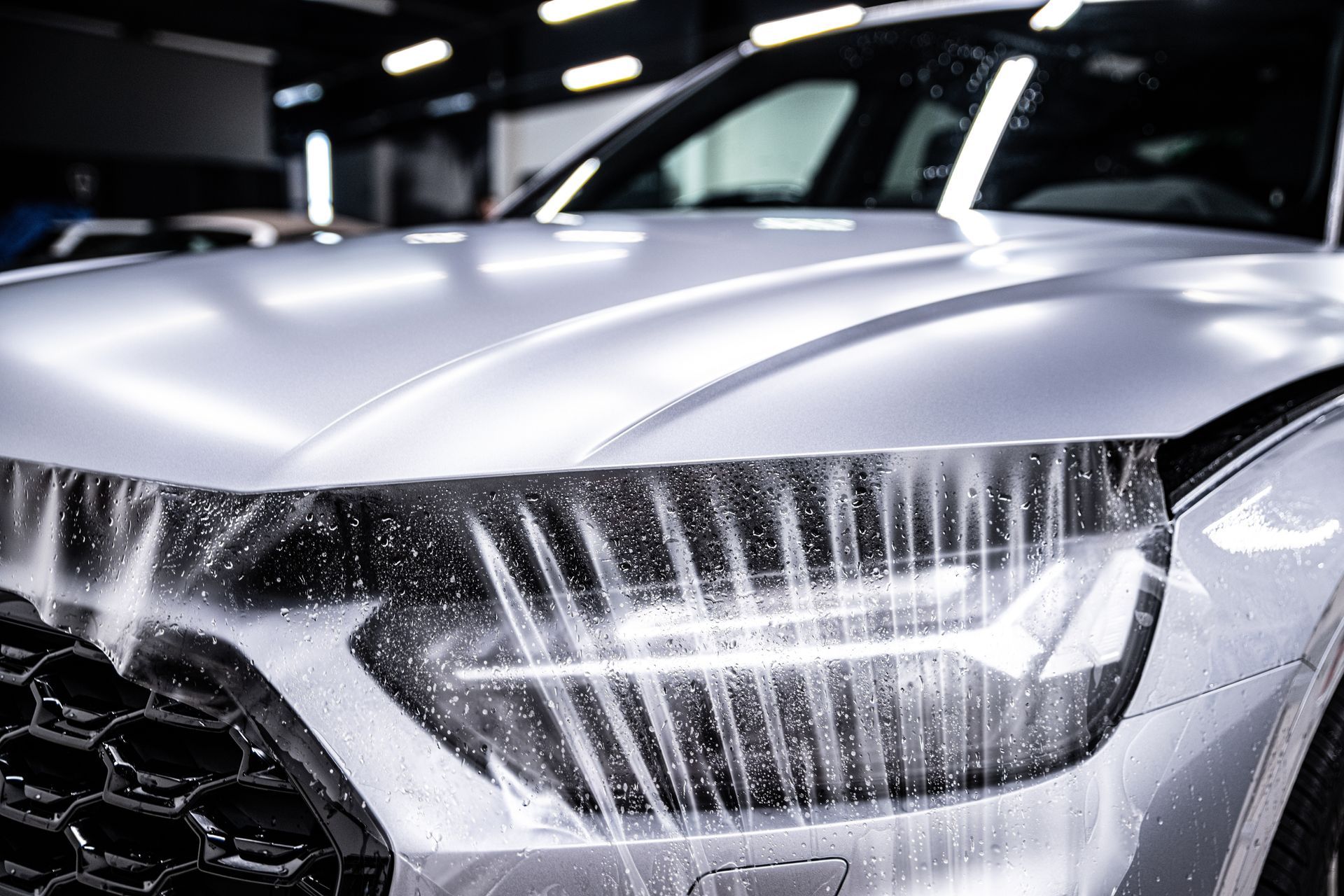
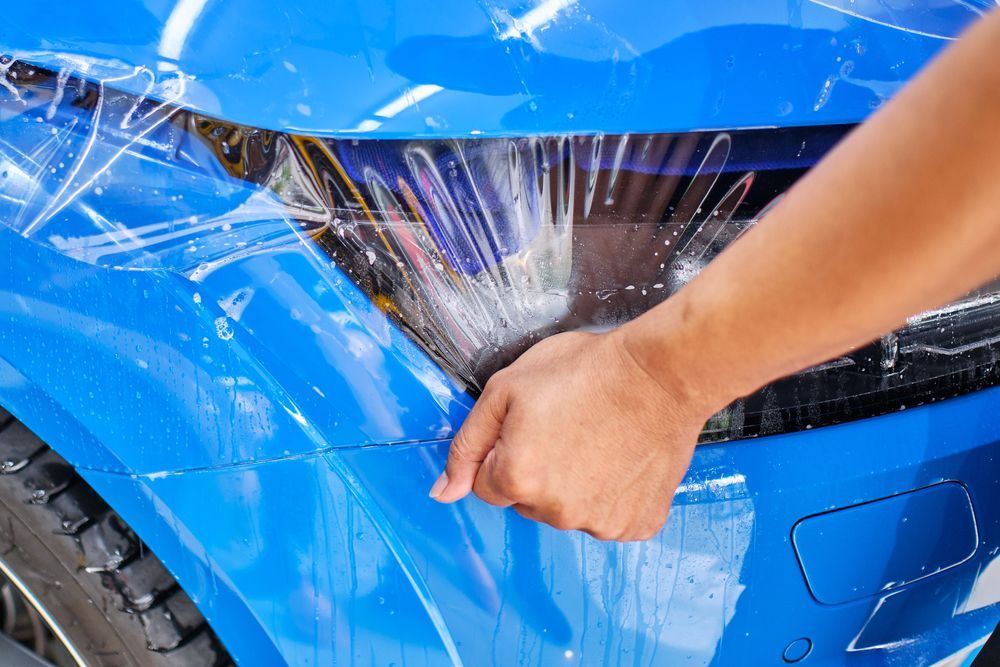
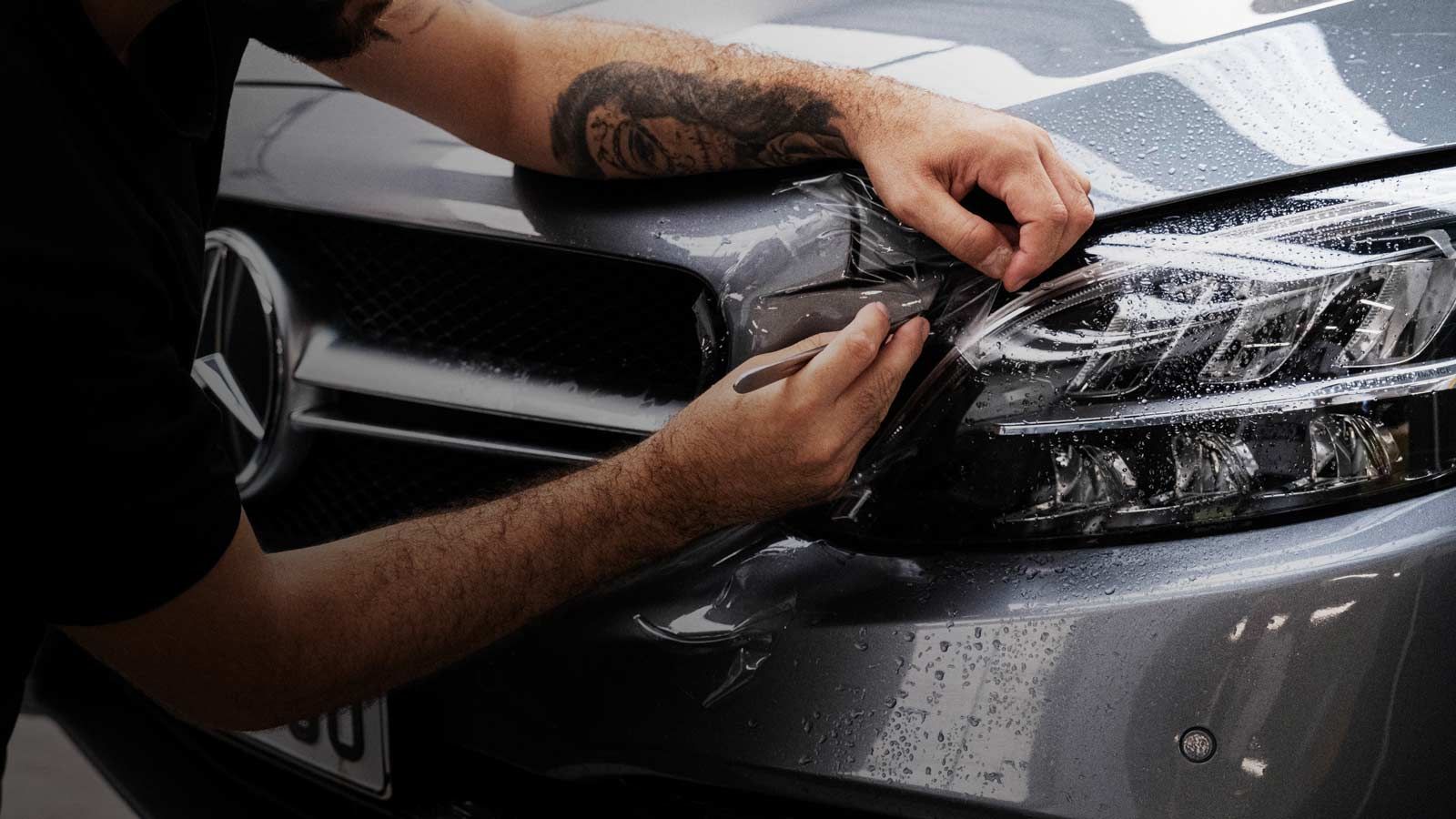
Paint protection film provides a thicker physical barrier that helps absorb impacts from rock chips, road debris, and other hazards.
For maximum protection, many drivers choose both services. Paint protection film can be installed on high-impact areas such as the hood, fenders, and bumper, while ceramic coating protects the remaining painted surfaces.
How Long Does Ceramic Coating Last?
The lifespan of a ceramic coating depends on product quality, environmental exposure, maintenance habits, and application quality.
With proper care, professional-grade ceramic coatings can last several years.
To maximize longevity:
- Wash regularly using pH-neutral car shampoo
- Avoid harsh chemicals and abrasive brushes
- Remove contaminants promptly
- Follow any maintenance recommendations provided by your installer
Routine care helps maintain hydrophobic performance, gloss, and overall protection.
Frequently Asked Questions
Can ceramic coating hide scratches?
No. Ceramic coating does not remove or conceal scratches. Paint correction is typically required to address surface defects before installation.
Is ceramic coating worth it on a car with over 200,000 miles?
Yes, if the paint is still in good condition and you plan to keep the vehicle for several more years.
Does ceramic coating prevent rock chips?
No. Ceramic coating helps protect against contaminants and minor abrasions but does not stop rock chips. Paint protection film offers better impact resistance.
How often should a ceramic-coated car be washed?
Most vehicles should be washed every one to two weeks to maintain appearance and performance.
Protect Your Vehicle with Ceramic Coating in Dayton, Ohio
If your vehicle has accumulated years of mileage but you want to preserve its appearance and simplify maintenance, ceramic coating may be an excellent investment. Combined with professional paint correction, it can restore gloss, improve protection, and help your vehicle look its best for years to come.
Vehicle Enhancement Inc. proudly provides ceramic coating, paint correction, and paint protection film services for drivers throughout Dayton, Beavercreek, Centerville, Kettering, Oakwood, Springboro, and Miamisburg.
Contact our team today to schedule a consultation and determine the best paint protection solution for your vehicle.