How Does Self-Healing Paint Protection Film Actually Work?
Light scratches, swirl marks, and road debris can affect your vehicle’s appearance even when you take great care of it. Daily driving exposes your paint to shopping carts, gravel, highway debris, harsh weather, and everyday contaminants that can leave behind visible imperfections.
Self-healing paint protection film (PPF) provides an advanced solution by creating a protective barrier between your vehicle’s factory paint and the elements. Unlike traditional waxes or coatings, PPF is a physical layer designed to absorb impacts, resist surface damage, and help reduce the appearance of light scratches through self-healing technology.
At Vehicle Enhancement Inc., we install professional paint protection film for drivers throughout Dayton, Kettering, Oakwood, Centerville, Beavercreek, Miamisburg, and Springboro. Understanding how self-healing PPF works can help you determine whether this protection option is right for your vehicle.
What Is Self-Healing Paint Protection Film?
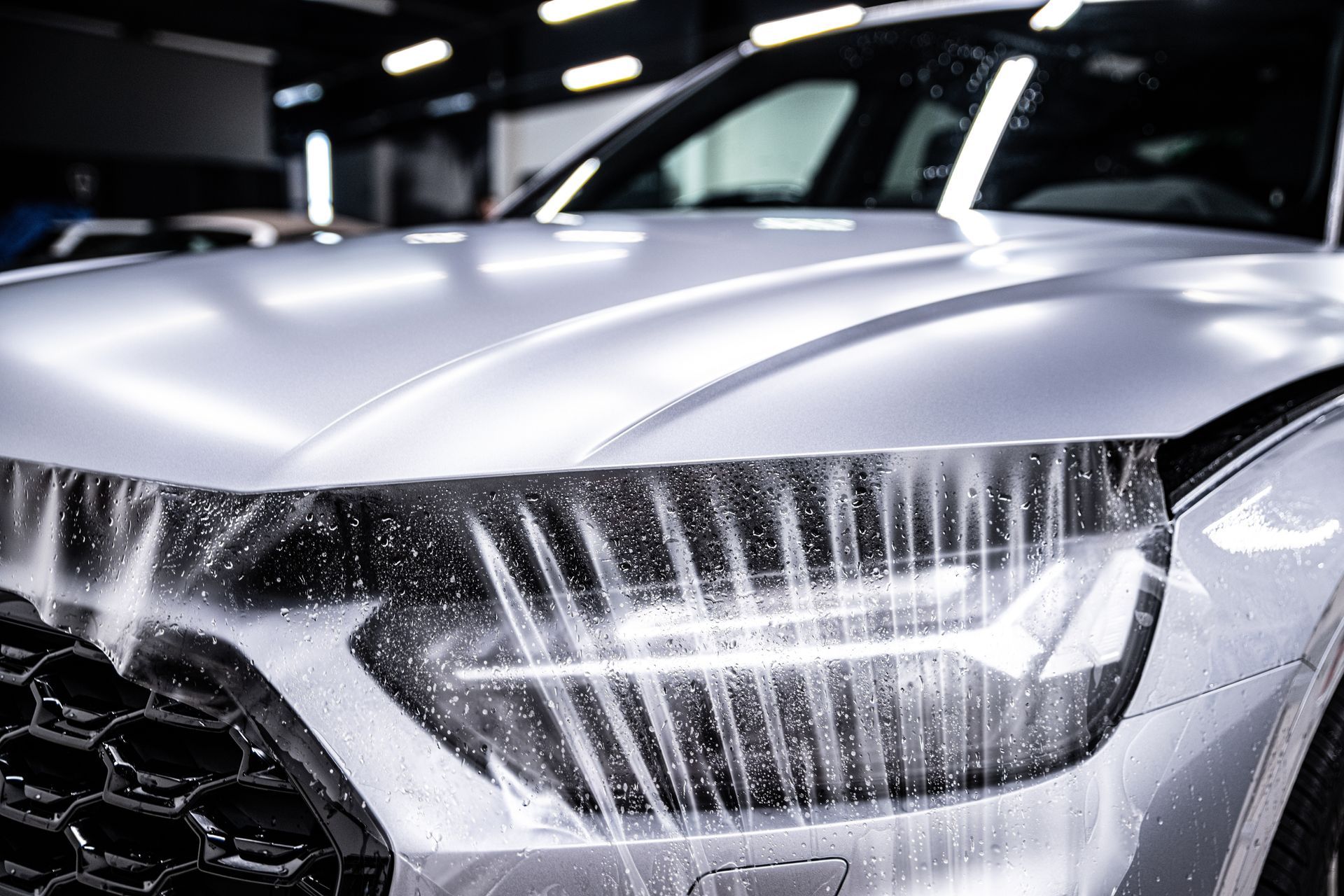
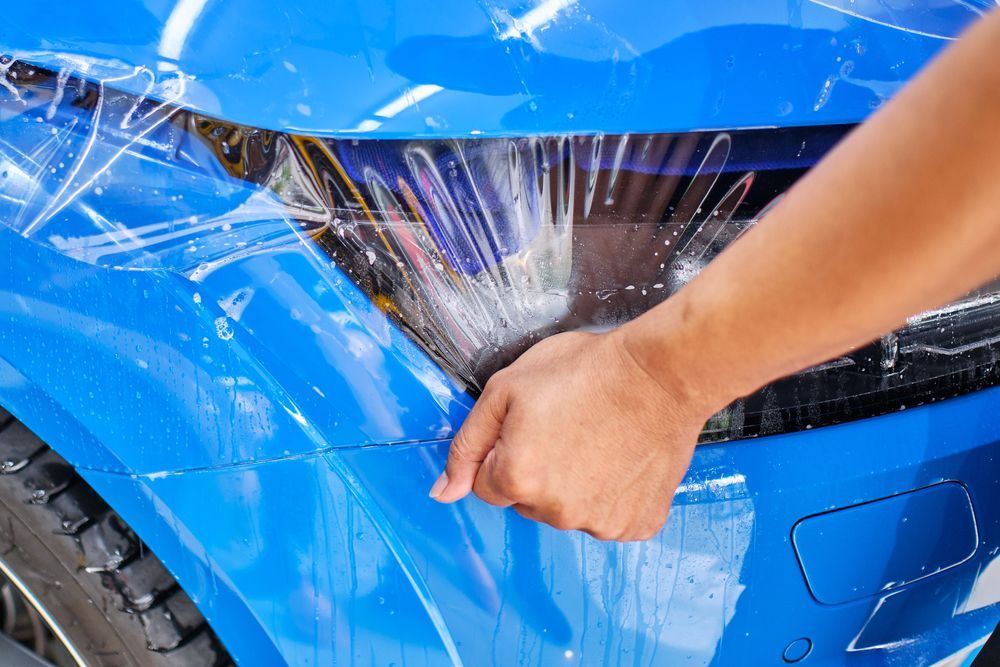
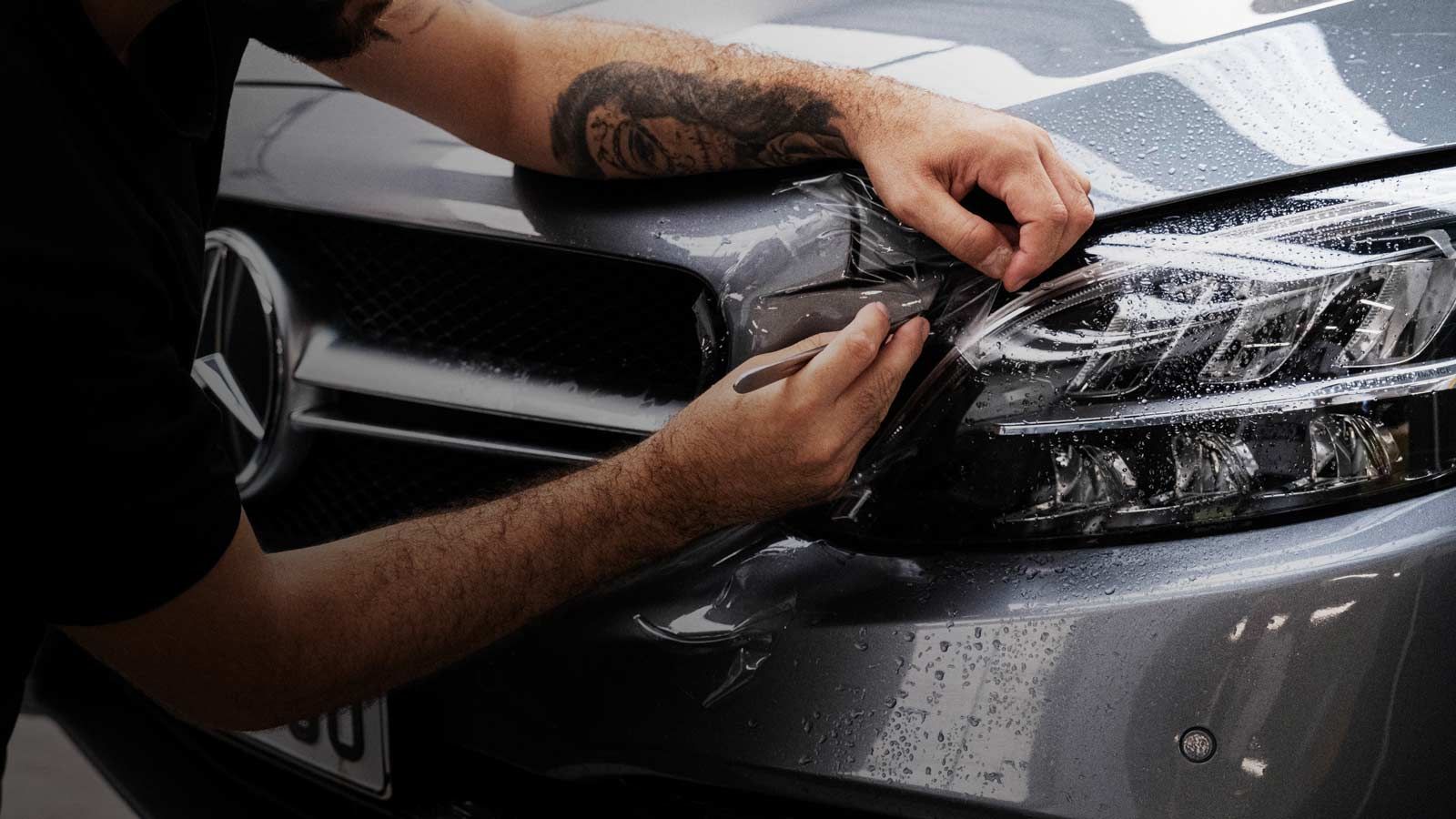
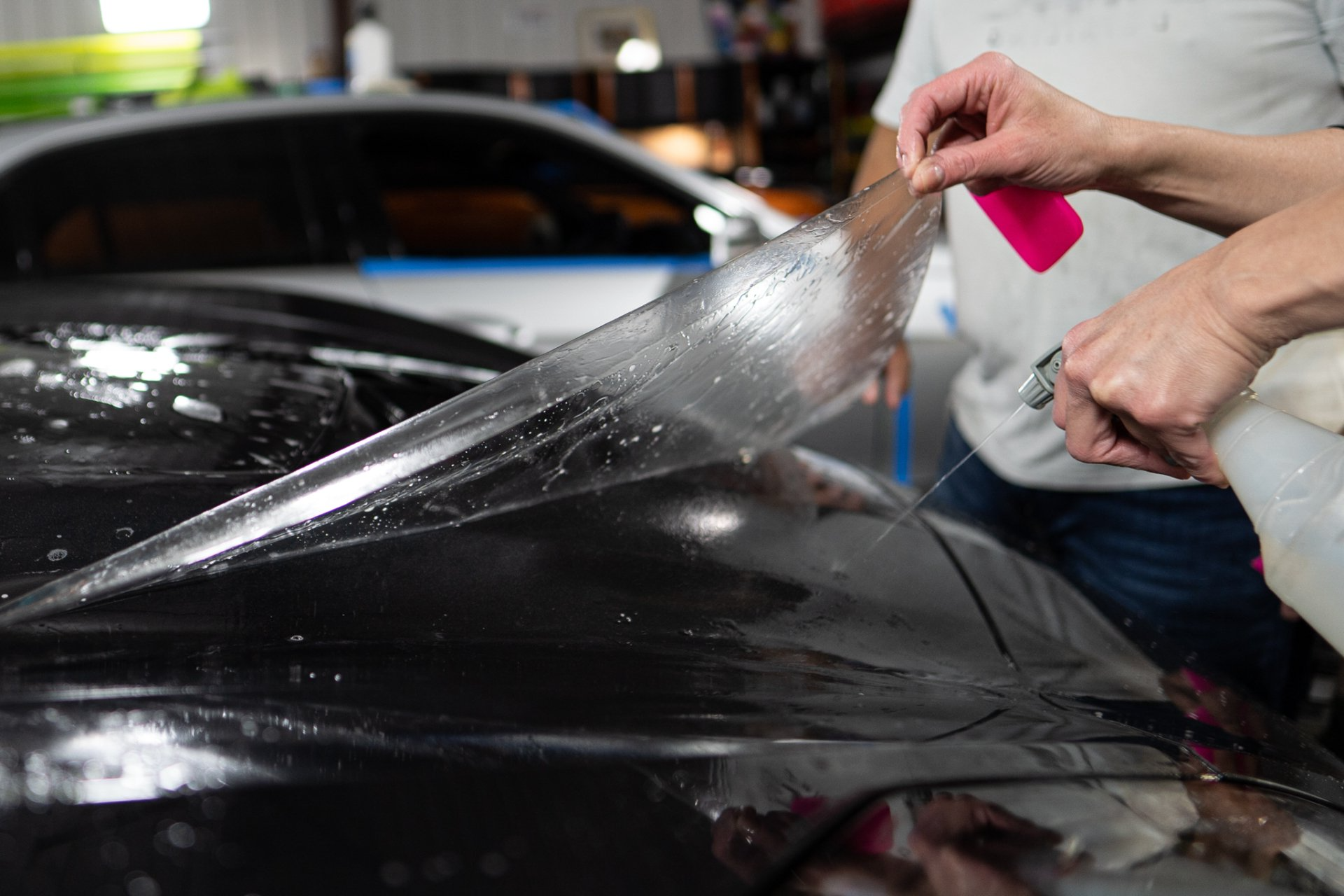
Paint Protection Film, also known as clear bra paint protection, is a transparent urethane film applied directly to your vehicle’s painted surfaces. The purpose of PPF is to provide an invisible layer of protection that helps defend against rock chips, road debris, light scratches, environmental contaminants, and other hazards.
The self-healing feature comes from the film’s advanced topcoat technology. When minor surface imperfections occur, the flexible top layer can return closer to its original smooth condition when exposed to heat. This process helps reduce the visibility of light scratches, swirl marks, and surface abrasions without requiring polishing or paint correction.
Self-healing PPF does not make your vehicle scratch-proof. Deep scratches, cuts, or damage that penetrates through the film cannot heal. However, the film helps protect the factory paint underneath by taking on much of the daily wear your vehicle experiences.
How Self-Healing PPF Technology Works
The foundation of modern self-healing Paint Protection Film is thermoplastic polyurethane (TPU). TPU Paint Protection Film is popular because it combines flexibility, durability, and impact resistance.
A TPU-based film contains multiple layers, including a protective topcoat designed to respond to surface damage. When a light scratch occurs, the topcoat temporarily changes shape, creating small imperfections that reflect light differently. These visible marks appear as scratches or swirl marks.
The self-healing process begins when heat allows the topcoat’s flexible molecular structure to move more freely. As the material relaxes, it gradually returns closer to its original shape, making the surface appear smoother.
This heat-activated self-healing technology is especially useful for vehicles exposed to regular driving conditions. Warm temperatures, sunlight, or carefully applied warm water can help accelerate the process.
How Heat Helps PPF Repair Light Surface Marks
Temperature plays an important role in how self-healing PPF works. When the film becomes warmer, the topcoat becomes more flexible and allows minor surface imperfections to fade more quickly.
For example:
- Light swirl marks from washing may become less noticeable after heat exposure.
- Minor surface scratches caused by daily use can gradually fade.
- Warmer conditions can speed up the self-healing process compared to colder temperatures.
Drivers in Dayton, OH, may notice that healing takes longer during colder winter months because lower temperatures reduce the movement of the topcoat material.
It is important to avoid using excessive heat sources, such as heat guns, because high temperatures can damage the film or adhesive. Professional installation and proper PPF care help maintain long-term performance.
Why Professional PPF Installation Matters
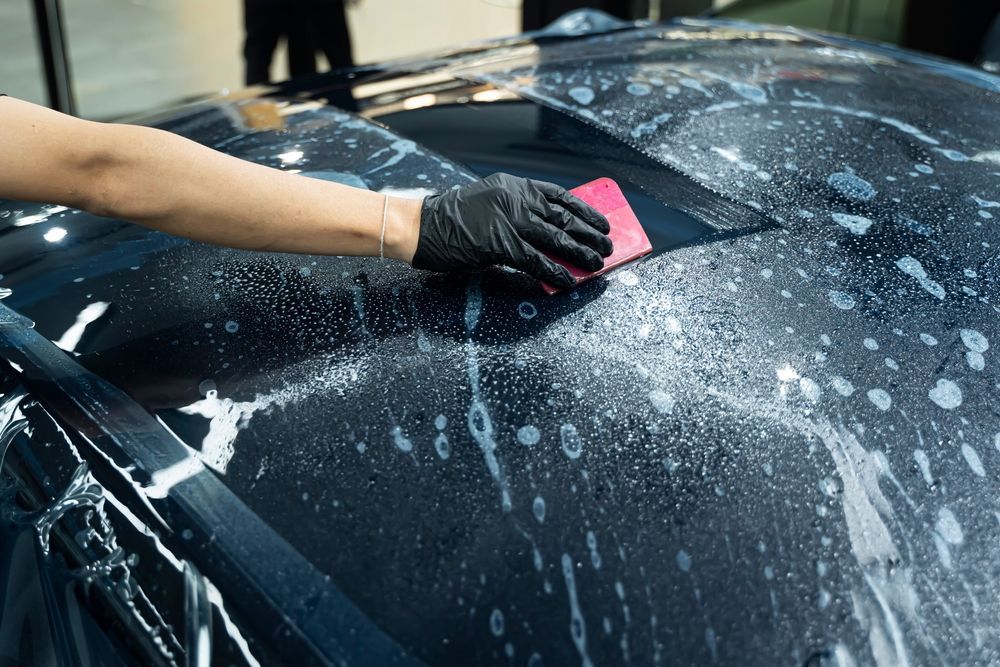
Even the highest-quality Paint Protection Film will not perform properly without professional installation. Proper preparation, precise application, and attention to detail are essential for achieving a clean, long-lasting finish.
At Vehicle Enhancement Inc., our PPF installation process includes:
1. Surface Preparation
Before applying film, the vehicle surface is thoroughly cleaned and decontaminated. Removing dirt, oils, and embedded particles helps prevent imperfections from being trapped beneath the film.
2. Precision Fitting and Cutting
Each PPF panel is carefully measured and fitted before installation. Precision-cut templates help ensure proper coverage while maintaining the appearance of your vehicle.
3. Professional Application
The film is carefully positioned and applied to reduce air pockets, wrinkles, and lifting edges. Proper installation helps the film maintain its appearance and protective performance.
4. Proper Curing
After installation, the film requires time to properly cure. Following recommended care instructions helps ensure the best results.
Choosing a professional PPF installer in Dayton, OH helps ensure your vehicle receives the protection and finish expected from premium Paint Protection Film.
Benefits of Self-Healing PPF for Your Vehicle
Many vehicle owners choose self-healing PPF because it provides protection that traditional products cannot offer.
Protects Against Rock Chips and Road Debris
One of the biggest advantages of PPF for cars is its ability to provide a physical barrier against road hazards. Front bumpers, hoods, mirrors, and fenders often receive the most damage from highway debris.
Helps Reduce Visible Scratches and Swirl Marks
Self-healing PPF helps minimize the appearance of light scratches caused by washing, daily driving, and normal vehicle use.
Helps Preserve Factory Paint
Maintaining your vehicle’s original paint condition can improve long-term appearance and help protect resale value. PPF allows owners to enjoy their vehicles while reducing exposure to common paint damage.
Provides Invisible Paint Protection
High-quality clear paint protection film maintains your vehicle’s original appearance while adding an additional layer of defense.

Ceramic Coating vs. PPF: Understanding the Difference
Many vehicle owners compare ceramic coating vs. PPF when deciding how to protect their investment. While both options provide valuable benefits, they serve different purposes.
Ceramic coatings create a hydrophobic layer that helps resist contaminants, improves gloss, and makes cleaning easier. However, ceramic coatings do not provide the same physical protection against rock chips and road debris.
PPF is designed for impact protection. It helps defend against chips, light scratches, and surface damage by acting as a protective barrier.
Some vehicle owners choose both solutions together. PPF protects high-impact areas, while ceramic coating enhances gloss, water behavior, and ease of maintenance.
How to Maintain Self-Healing Paint Protection Film
Proper maintenance helps keep your PPF looking clear and performing properly.
Recommended PPF care tips include:
- Wash your vehicle using a pH-neutral automotive shampoo.
- Use clean microfiber towels and safe washing methods.
- Remove bird droppings, bugs, and tree sap as soon as possible.
- Avoid aggressive automatic car washes that may damage film edges.
- Use caution around film edges when pressure washing.
- Follow professional detailing recommendations.
With proper care, professionally installed Paint Protection Film can continue protecting your vehicle for years.
Professional Self-Healing PPF Installation in Dayton, OH
Vehicle Enhancement Inc. provides professional Paint Protection Film installation for drivers throughout Dayton and surrounding communities, including Kettering, Oakwood, Centerville, Beavercreek, Miamisburg, and Springboro.
Our PPF packages are designed around different levels of protection, from high-impact areas to full vehicle coverage. Whether you want protection for a daily driver, luxury vehicle, or performance car, our team can help you choose the right solution.
Self-healing paint protection film offers an effective way to protect factory paint while maintaining your vehicle’s original appearance. If you are looking for professional PPF installation in Dayton, OH, contact Vehicle Enhancement Inc. to discuss your vehicle protection options.
Frequently Asked Questions About Self-Healing PPF
Does self-healing PPF remove scratches?
Self-healing PPF does not remove deep scratches. However, its heat-activated topcoat can help reduce the appearance of light scratches and swirl marks on the film’s surface.
Is Paint Protection Film better than ceramic coating?
PPF and ceramic coating provide different types of protection. PPF focuses on physical protection from chips and road debris, while ceramic coating improves gloss, hydrophobic properties, and maintenance.
How long does self-healing PPF last?
The lifespan of PPF depends on film quality, installation, maintenance, and environmental exposure. Professional installation and proper care help maximize durability.
Does PPF protect against rock chips?
Yes, PPF is specifically designed to help protect vehicle paint from rock chips, road debris, and other surface impacts.