Ceramic Coating vs. Wax: What Maintenance Does Each Require for Lasting Protection?
Choosing between ceramic coating and wax depends on how much maintenance you want to perform, how long you expect protection to last, and your budget. Both products enhance your vehicle's appearance and help protect its paint, but their maintenance requirements differ significantly.
Ceramic coating generally requires less frequent reapplication than traditional wax, although both need regular washing and proper care. Wax offers affordable, short-term protection that can be reapplied at home. Professional ceramic coating provides longer-lasting protection and makes routine cleaning easier, but it requires thorough preparation and a higher initial investment.
For vehicle owners in Dayton, OH, understanding these differences can help determine which option suits their driving habits and maintenance preferences.
Ceramic Coating vs. Wax: Understanding the Maintenance Differences
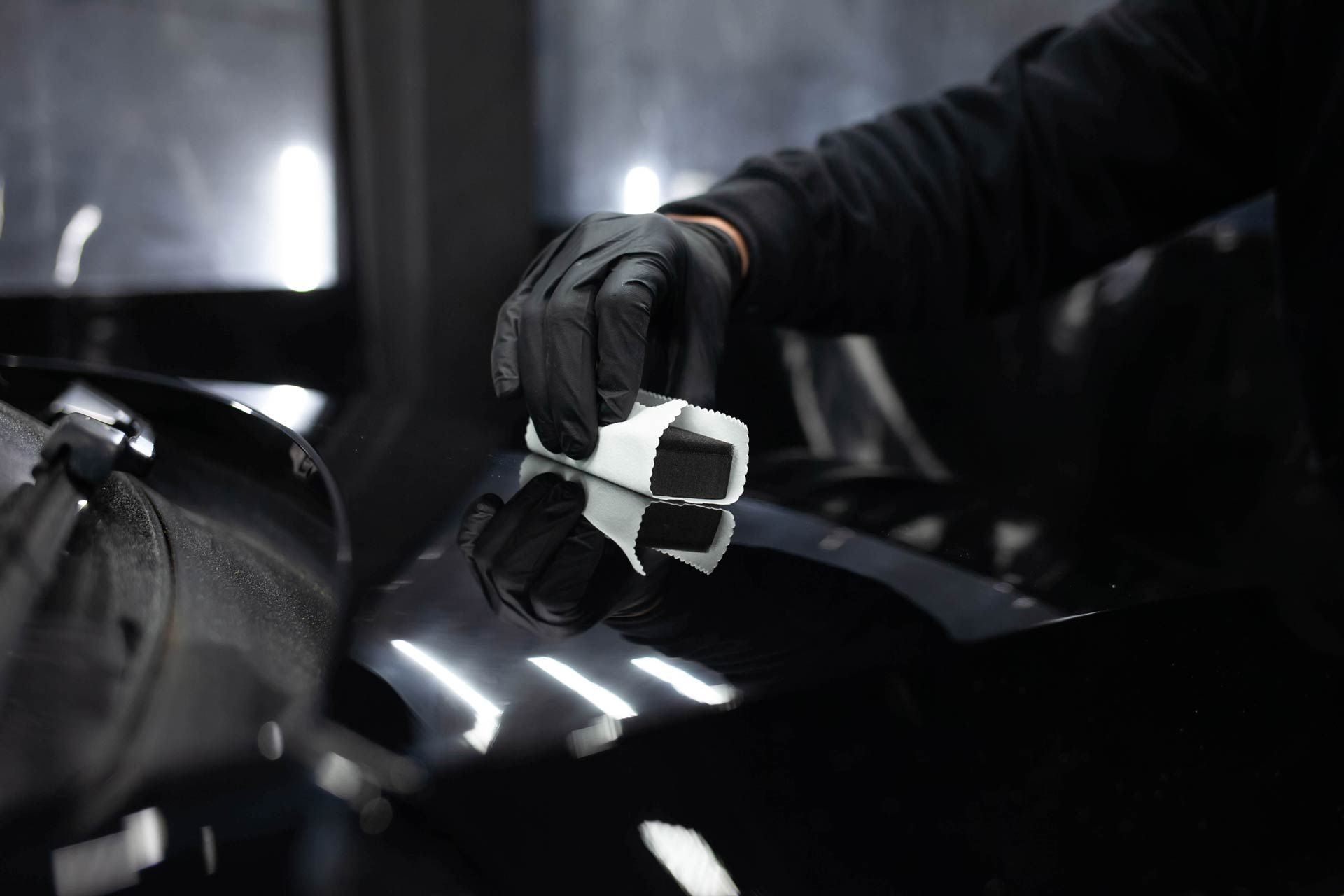
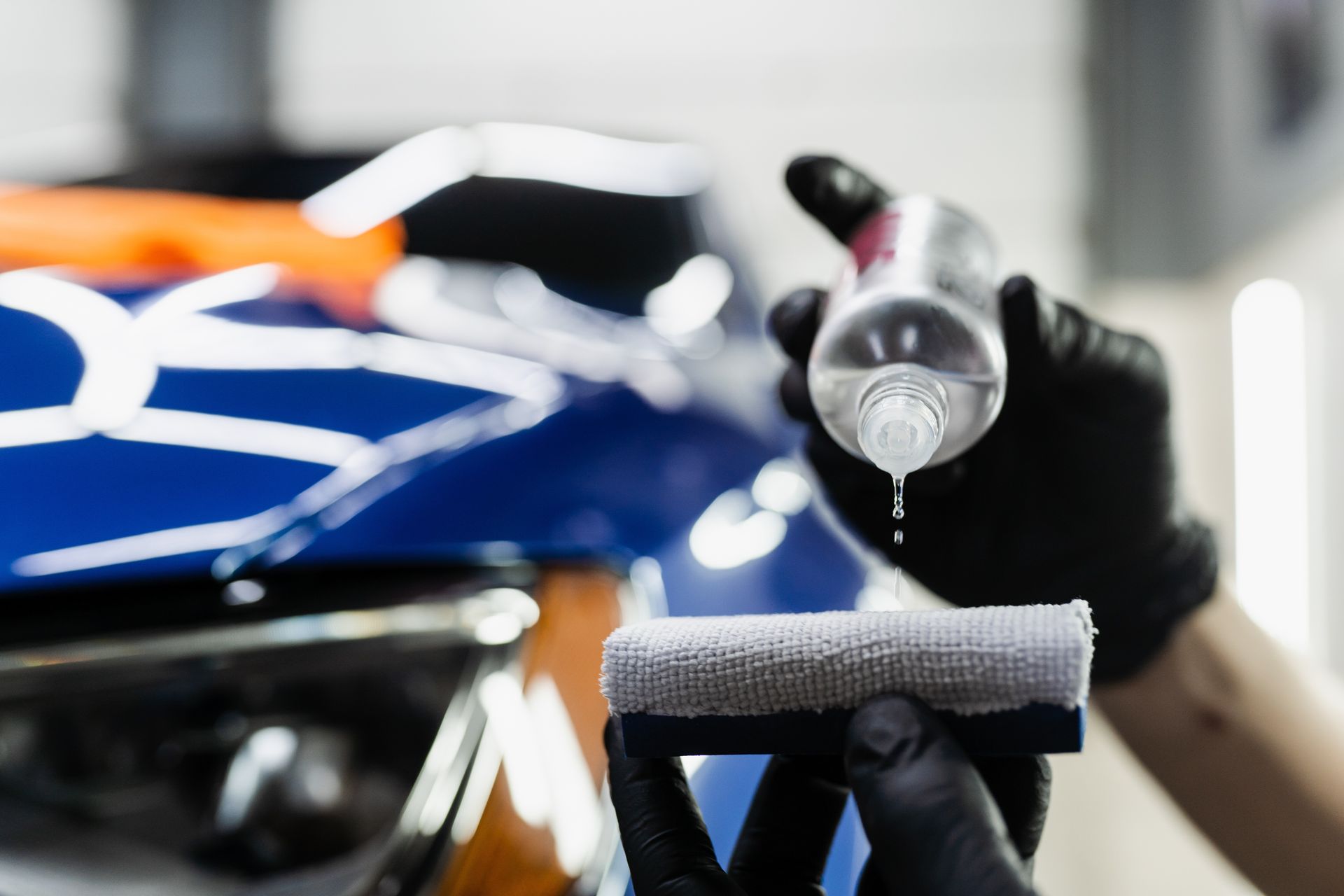
Ceramic coating is a liquid-applied protective product that bonds with properly prepared automotive surfaces. Its hydrophobic properties help water bead and make certain contaminants easier to remove. However, it does not prevent all water spots, scratches, or environmental damage.
Traditional car wax provides a temporary protective layer that enhances gloss and helps water bead. Its durability depends on the formula, weather exposure, washing frequency, and vehicle storage conditions.
The main maintenance differences include:
- Routine washing: Both require gentle washing with automotive cleaning products.
- Reapplication: Wax generally requires more frequent reapplication than ceramic coating.
- Contaminant removal: Both need prompt attention when mineral deposits, road grime, or other contaminants accumulate.
- Long-term care: Ceramic coating requires compatible maintenance products and attention to manufacturer instructions.
Neither product makes a vehicle maintenance-free. Consistent care remains essential for preserving paint appearance.

Washing and Drying Ceramic-Coated and Waxed Vehicles
Proper washing is essential regardless of which protection method you choose.
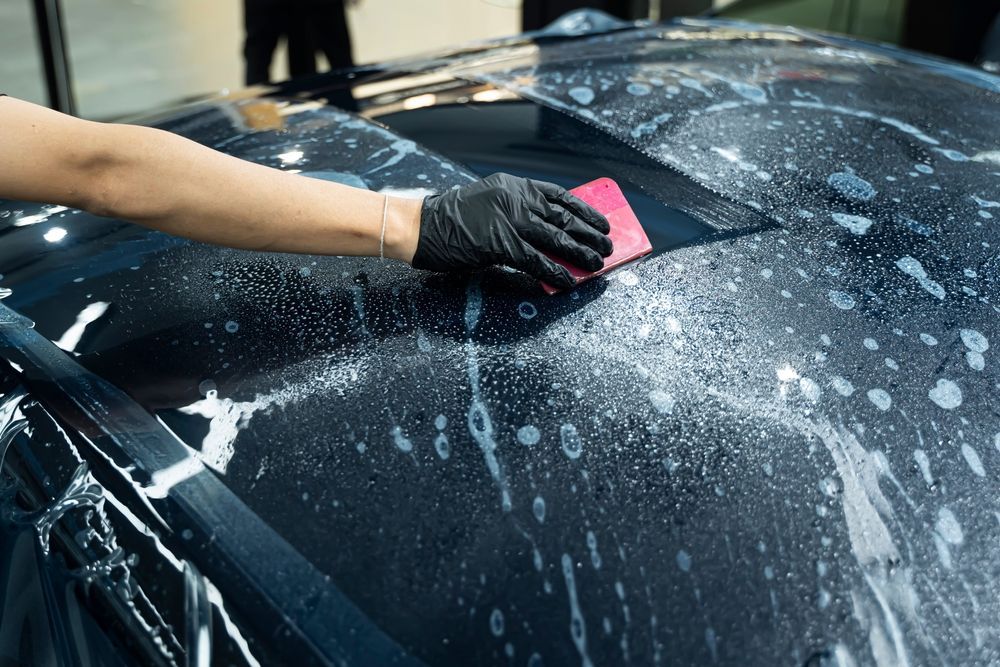
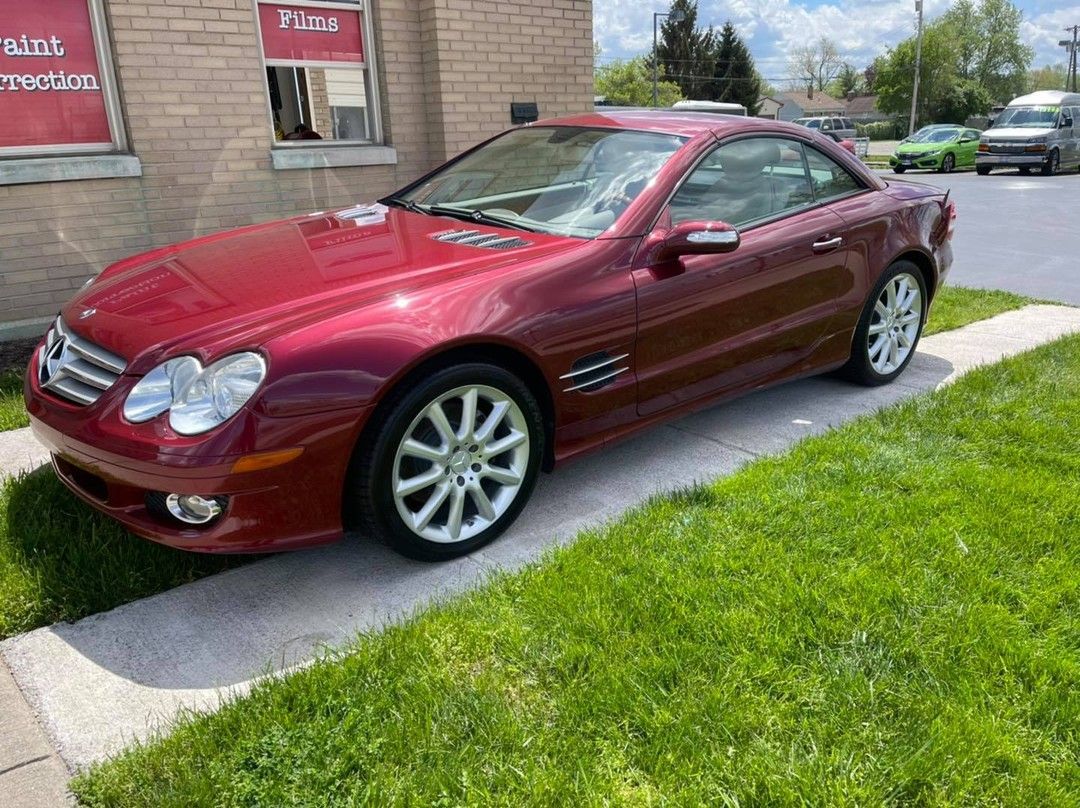
For ceramic-coated vehicles, use a pH-neutral automotive shampoo and clean microfiber wash mitt. Rinse thoroughly before touching the paint to remove loose dirt and debris. Avoid abrasive brushes and cleaning chemicals that are not approved for the coating.
Waxed vehicles benefit from similar washing methods. However, some aggressive cleaners may remove or weaken the wax layer, increasing the need for reapplication.
When washing either finish:
- Rinse the vehicle thoroughly before making contact with the paint.
- Use clean microfiber washing equipment and automotive shampoo.
- Wash from the upper panels downward to reduce contamination transfer.
- Rinse completely and dry using clean microfiber towels or a suitable blower.
- Avoid washing in direct sunlight or on excessively hot panels whenever possible.
Dayton drivers should pay particular attention to winter road salt and grime. Regular removal of these contaminants helps maintain a clean surface and reduces prolonged exposure to potentially damaging deposits.
Removing Water Spots and Surface Contaminants
Ceramic coating and wax can both develop water spots when mineral-containing water evaporates on the paint.
Ceramic coating helps make some contamination easier to remove, but it does not eliminate the possibility of mineral deposits or chemical etching. Wax also cannot guarantee protection against persistent water spots.
Begin with a gentle wash and thorough drying. If mineral marks remain, use a water spot remover approved for the existing protective finish. Always follow product instructions and test unfamiliar cleaners on a small, inconspicuous area.
Tree sap, road tar, and embedded particles may require specialized automotive cleaning products. Avoid household acids, abrasive pads, and aggressive scrubbing, which can damage the protective layer or painted surface.
If contamination has caused etching, professional paint correction may be necessary. Polishing can also remove or reduce protective material, so affected areas may require renewed protection afterward.
Ceramic Coating vs. Wax: Reapplication and Expected Lifespan
One of the biggest differences between ceramic coating and wax is how frequently protection needs to be renewed.
Traditional carnauba wax often requires reapplication within weeks to a few months, depending on the product and conditions. Synthetic paint sealants may last longer, although their durability also varies.
Professional ceramic coatings are designed to provide longer-term protection, with some products offering service-life expectations measured in years.
Vehicle Enhancement Inc. offers ceramic coating package options with different warranty terms. The original package information references 2-, 5-, and 7-year warranties. Customers should confirm current package availability, coverage limitations, and maintenance requirements before selecting a coating.
A warranty period should not be interpreted as a guarantee that the coating will perform identically throughout that time.
Actual durability depends on vehicle exposure, paint preparation, washing methods, installation quality, and compliance with manufacturer care recommendations.
Why Professional Paint Preparation Matters
Ceramic coating requires careful surface preparation to achieve proper adhesion and appearance.
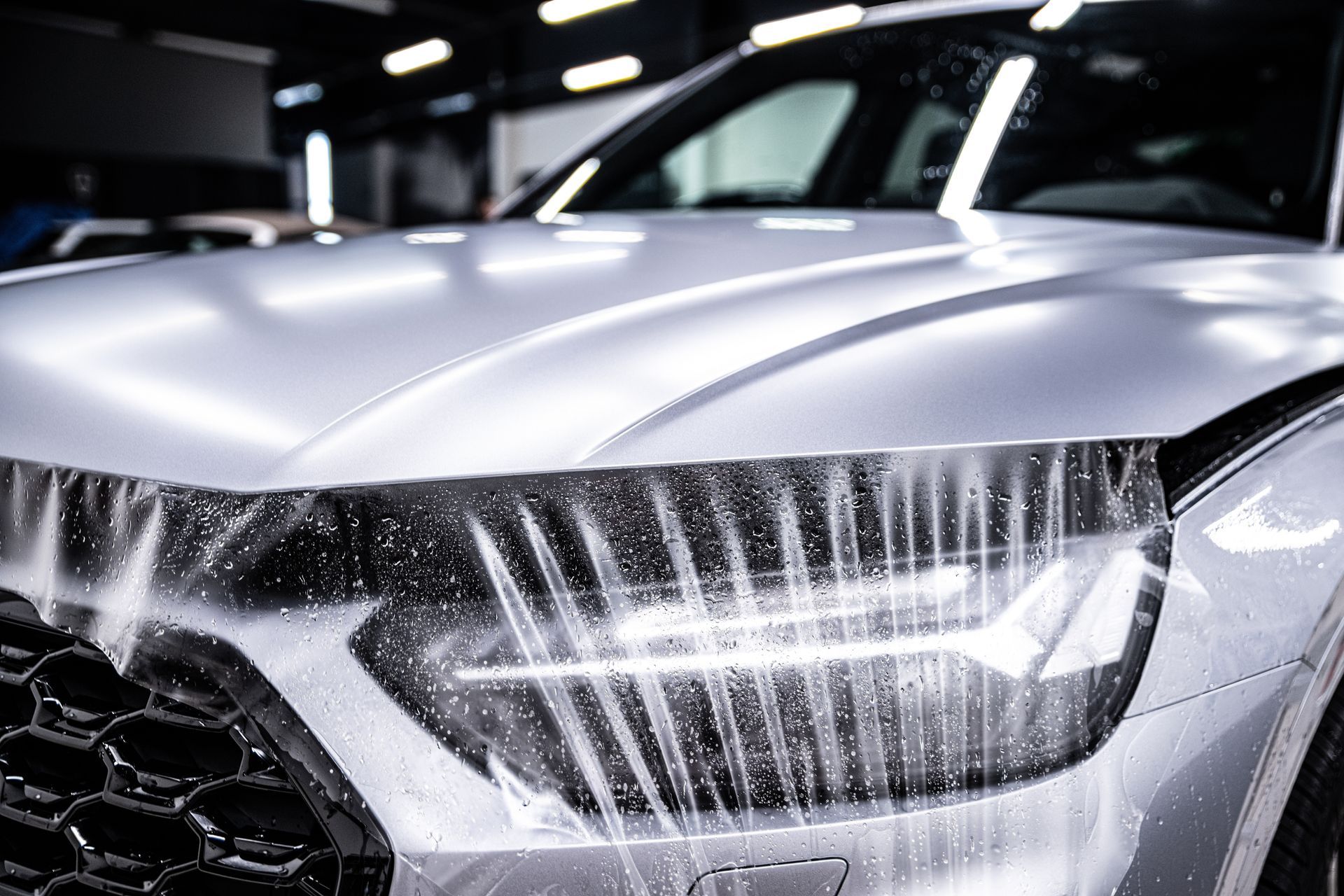
Professional preparation may include hand washing, clay decontamination, inspection, and paint correction to address visible defects before installation.
Vehicle Enhancement Inc. incorporates surface preparation and correction polishing into its described ceramic coating process. Because coatings do not independently remove scratches, oxidation, or swirl marks, correcting existing imperfections beforehand can improve the finished appearance.
Professional installation may also involve infrared-assisted curing. However, initial curing and complete chemical curing are not necessarily the same. Always follow the installer's product-specific instructions regarding washing, moisture exposure, and aftercare.
Preserving Gloss and Long-Term Paint Protection
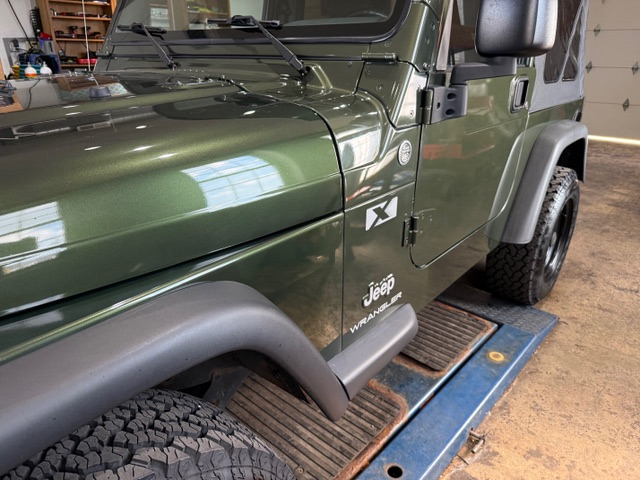
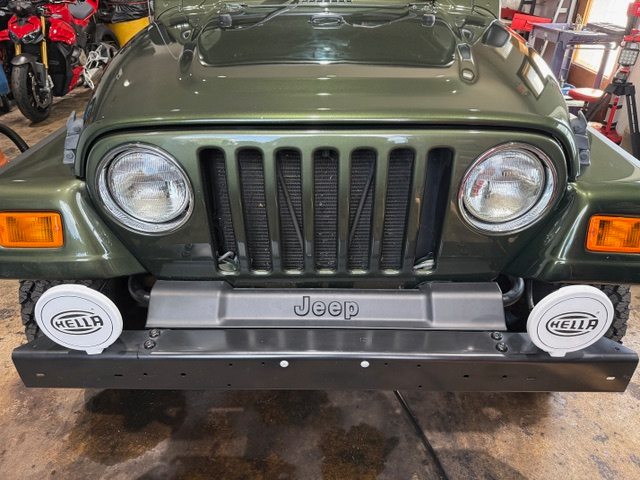
Both wax and ceramic coating can enhance gloss, but the underlying condition of the paint plays an important role.
A vehicle with visible swirl marks, oxidation, or other imperfections may benefit from paint correction before applying either protective product.
After installation, maintain the finish through careful washing, prompt contaminant removal, and compatible cleaning products.
Water beading can provide useful information about surface behavior, but reduced beading does not automatically indicate coating failure. Dirt, mineral residue, or shampoo buildup can temporarily affect hydrophobic performance.
Clean the surface before assessing protection, and consult the coating manufacturer or installer before applying additional products.
Avoid applying wax or maintenance toppers over a ceramic coating without confirming compatibility. Some products can interfere with the coating's surface properties or appearance.
Choosing Between Ceramic Coating and Wax for Your Vehicle
Wax may be suitable for vehicle owners who enjoy frequent detailing, prefer a lower upfront expense, and are comfortable reapplying protection regularly.
Ceramic coating may be a better option for drivers who want longer-lasting protection, easier routine cleaning, and fewer reapplications.
For drivers throughout Dayton, Kettering, Centerville, Oakwood, Beavercreek, Miamisburg, and Springboro, consider vehicle storage, seasonal driving conditions, maintenance habits, and long-term ownership plans.
Neither option eliminates the need for proper maintenance. The better choice depends on how much time and money you are willing to invest in caring for your vehicle.
Protect Your Vehicle with Vehicle Enhancement Inc.
Understanding ceramic coating vs. wax helps you choose protection that aligns with your vehicle's needs and maintenance routine.
At Vehicle Enhancement Inc., we help Dayton-area vehicle owners explore professional paint protection options, including ceramic coating and paint preparation.
Contact Vehicle Enhancement Inc. at (937) 361-7993 to discuss your vehicle's condition, available coating packages, and recommended maintenance requirements.
Frequently Asked Questions
How often should car wax be reapplied?
Traditional wax may require reapplication every few weeks to several months. The appropriate schedule depends on the product, washing frequency, weather exposure, and manufacturer recommendations.
Does ceramic coating eliminate the need to wash a car?
No. Ceramic-coated vehicles still require regular washing to remove dirt, road salt, mineral deposits, and other contaminants.
Can you apply wax over ceramic coating?
Some products may be compatible, but unnecessary waxing can affect surface behavior. Follow the ceramic coating manufacturer's instructions before using additional protection.
Is ceramic coating worth the extra cost?
Ceramic coating may provide better long-term value for drivers prioritizing durability and reduced reapplication. Wax remains a practical option for those who prefer lower initial costs and frequent detailing.