The Role of Paint Protection Film (PPF) in Preventing Long-Term Paint Fading
When you invest in a quality paint job for your car, maintaining that fresh, glossy appearance can feel like a full-time job. Sunlight, dirt, bird droppings, and countless tiny scratches all chip away at the color and shine over time, leading to dull and faded paint. This is where Paint Protection Film (PPF) comes in—serving as an almost invisible shield between your car’s finish and these everyday threats.
What is Paint Protection Film (PPF)?
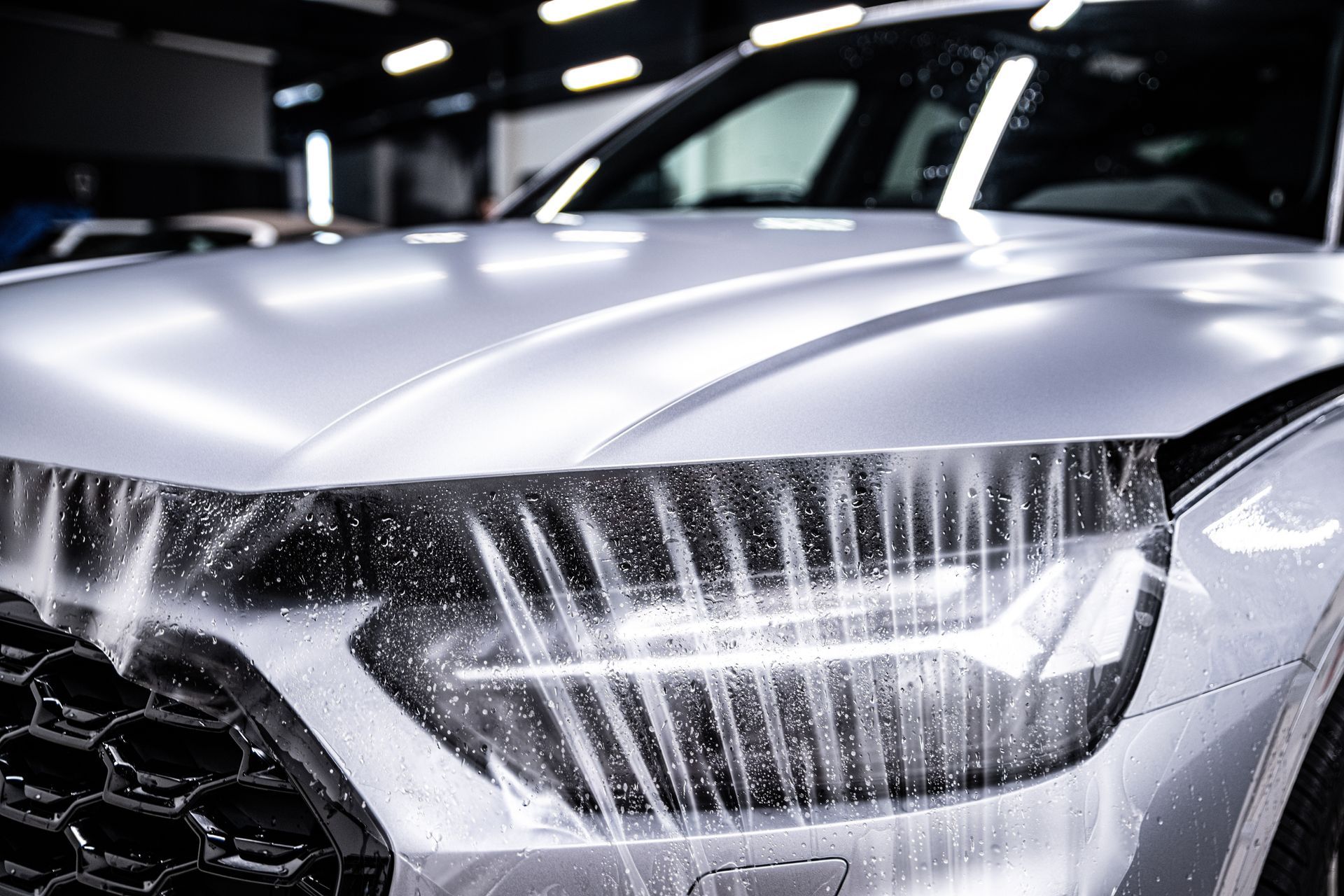
Paint Protection Film, often referred to as a “clear bra,” is a transparent shield made from thermoplastic urethane (TPU). Think of it as a second skin for your car’s paint – tough yet flexible enough to absorb impacts. This film protects against physical damage such as scratches and rock chips, but it also shields your car from less obvious threats like ultraviolet (UV) rays and environmental contaminants that can slowly degrade the paint over time.
The origins of PPF trace back to the military. During the Vietnam War, the military needed a way to protect helicopter rotor blades from flying debris without adding weight or altering aerodynamics. This technology was later adapted and refined for automotive use, leading to the durable, self-healing film we know today. Over the years, manufacturers have enhanced PPF with UV protection, water repellency, and even the ability to heal minor scratches through heat exposure.
Modern PPF is made of several precisely engineered layers:
Top Layer: This urethane-based clear coat is infused with hydrophobic properties. It causes water and grime to bead up and roll off, keeping the surface cleaner for longer. It also contains UV blockers to prevent sun damage, one of the primary causes of paint fading.
Middle Layer: The thermoplastic polyurethane layer gives the film elasticity and impact resistance, acting as a shock absorber to protect the paint from small rocks and other debris.
Adhesive Layer: The adhesive layer bonds the film to your car’s surface without harming the original paint. It prevents bubbling or peeling, even on complex curves and edges.
This combination of layers creates a protective barrier that is nearly invisible yet highly effective at preserving your vehicle’s finish. Unlike traditional waxes or sealants that wear away quickly, PPF continuously acts as a defense, maintaining clarity while keeping your car’s color vibrant.
Why Does Paint Fade?
Paint fading occurs from prolonged exposure to environmental factors that gradually break down the surface. One of the main causes is ultraviolet (UV) radiation from the sun, which acts not only as a heat source but also as a powerful chemical agent. UV rays penetrate the clear coat – the transparent protective layer over your car’s paint – and break down its molecular structure.
This process disrupts the pigments responsible for your vehicle’s color, causing it to dull and eventually fade. Studies show that approximately 80% of paint deterioration is due to UV exposure, underscoring why sun protection is essential.
In addition to sunlight, oxygen in the atmosphere contributes to the problem through oxidation. When oxygen molecules interact with unprotected paint surfaces, particularly those without sealants or wax, they cause the paint to degrade chemically. This oxidation manifests as a chalky or powdery texture, making colors appear faded or brittle over time. It also compromises the paint’s adhesion, making it more vulnerable to further damage.
Environmental contaminants add another layer of risk. Road salts, bird droppings, tree sap, and industrial fallout are common hazards for vehicles:
- Road Salts: These are especially damaging in colder climates where de-icing agents are used, accelerating chemical breakdown by lowering the pH level on the paint surface.
- Bird Droppings and Sap: These contain acidic compounds that can etch into paint layers if left untreated.
- Industrial Pollutants: These mix with moisture in the air to create acid rain, which erodes protective layers on the paint.
These contaminants not only stain the paint but also chemically interact with it, speeding up the degradation process. While regular washing and waxing can slow down these effects, they can’t fully block these persistent threats. That’s where Paint Protection Film comes in – by acting as a resilient barrier that absorbs UV radiation, repels contaminants, and prevents oxidation from reaching the paint.
How PPF Prevents Fading
At its core, PPF works like an invisible shield that protects your car’s paint from harsh environmental elements. One of the most significant features is its ability to block UV rays. The UV blockers embedded in the film act similarly to sunscreen for your vehicle, filtering out up to 99% of UV radiation – the main cause of paint fading. Independent research confirms that vehicles protected by PPF experience significantly less UV-induced fading and oxidation compared to unprotected ones.
In addition to UV protection, the urethane-based layer provides a physical barrier that absorbs impacts from small debris such as gravel or other flying objects. This prevents chips and scratches that would otherwise damage the paint and accelerate its degradation. By preventing direct contact with these contaminants, PPF slows down chemical reactions like oxidation that cause the paint to become brittle and dull.
Modern PPF also features self-healing properties. Minor scratches, when exposed to heat, cause the film’s surface to flow back into shape, erasing the blemishes within hours or days. This feature helps maintain a flawless appearance without requiring constant detailing work, making it a great option for busy car owners.
Installing and Maintaining PPF
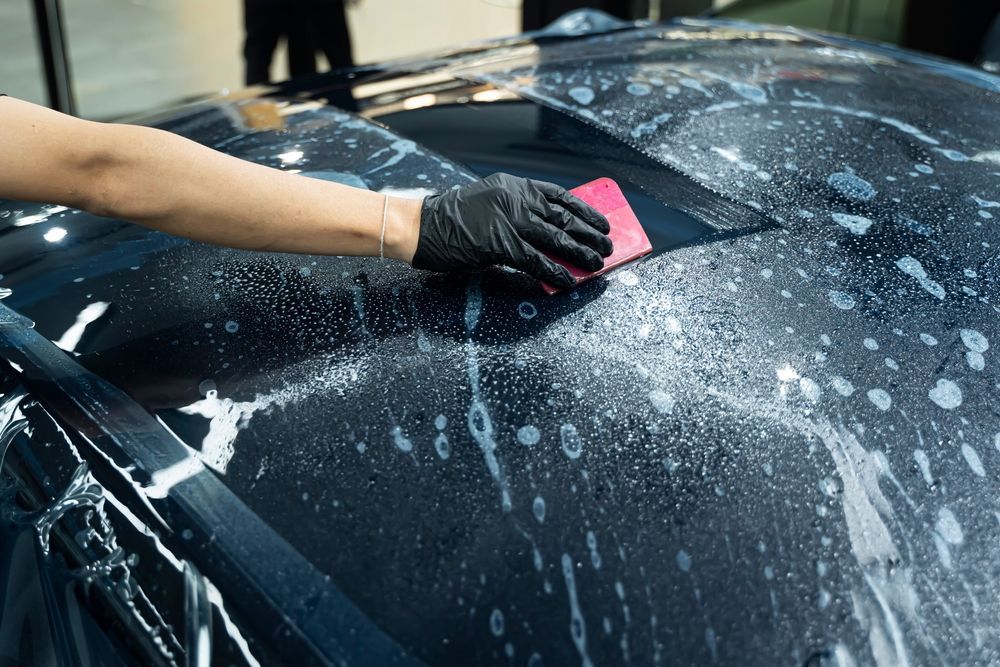
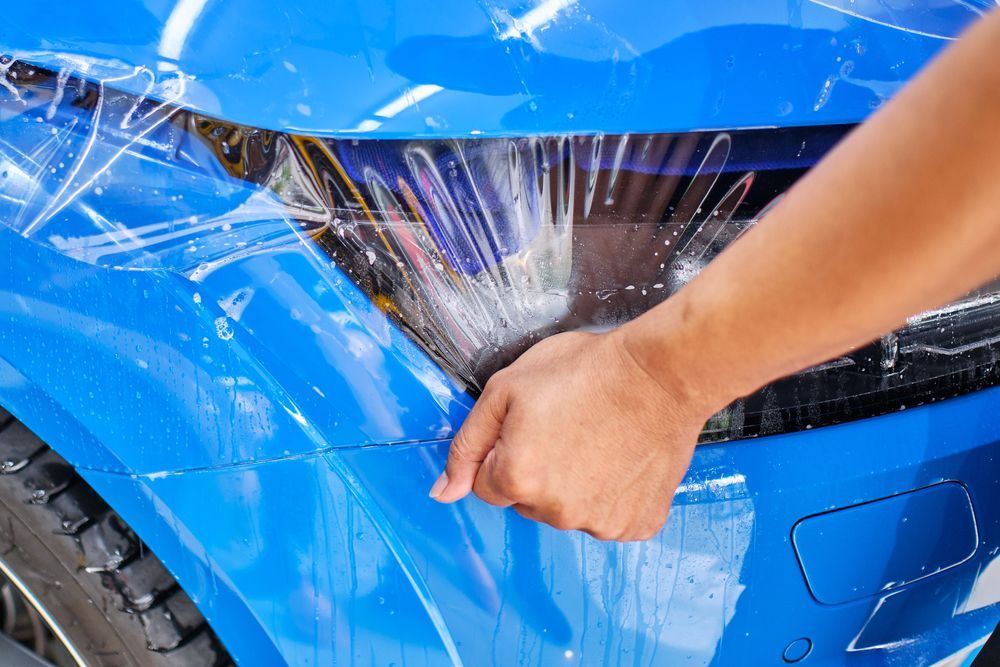
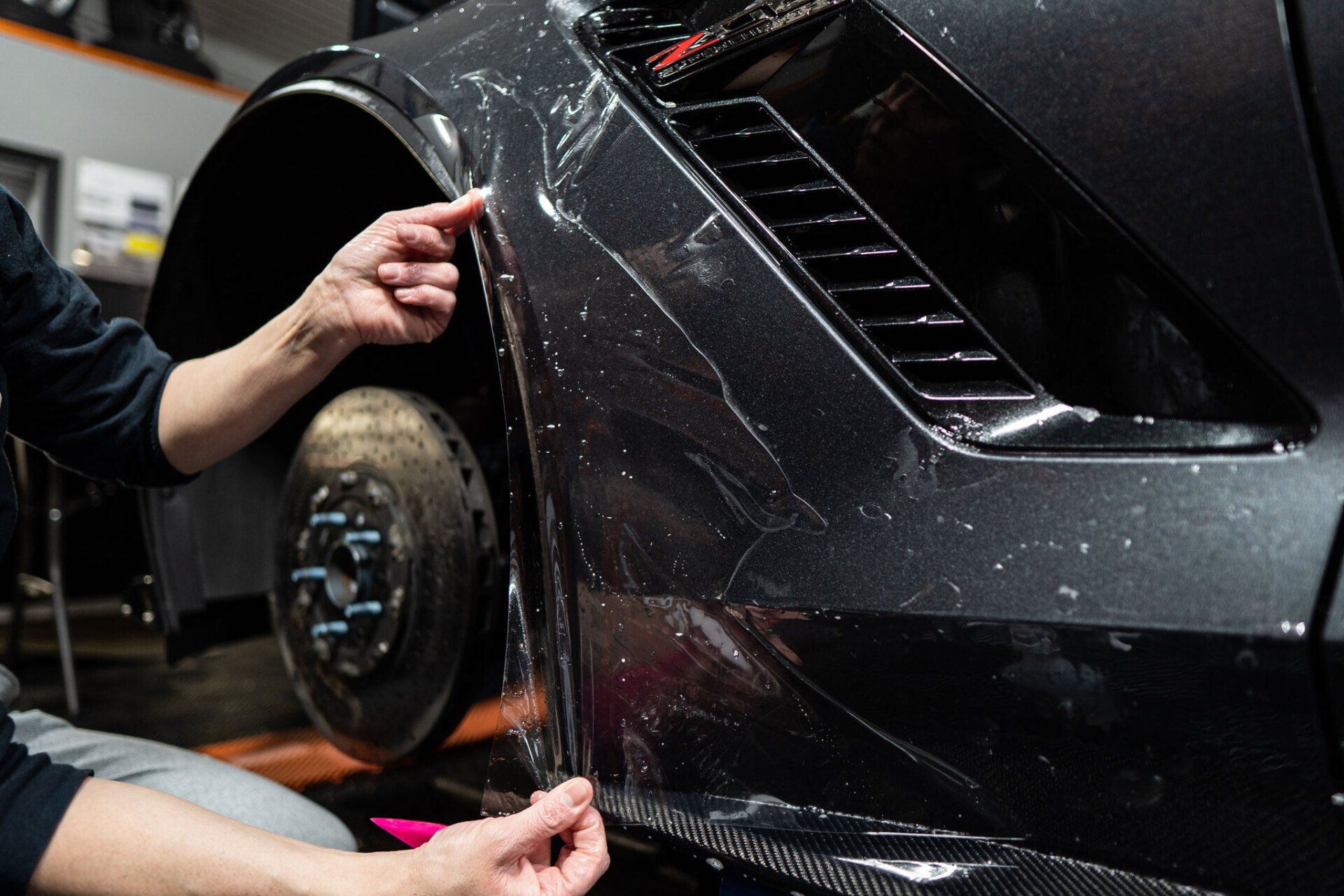
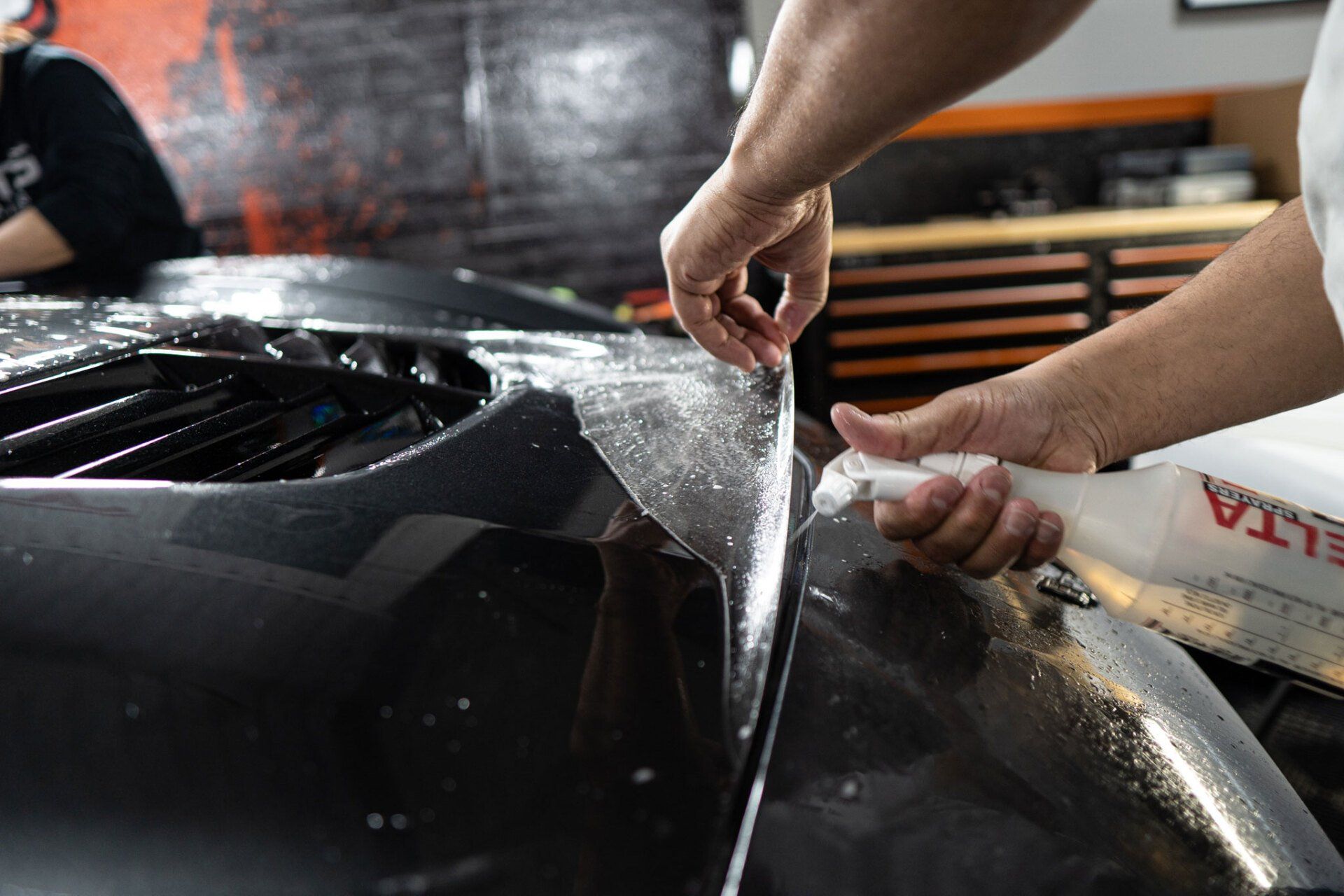
Proper installation is crucial to PPF’s performance. The film’s durability and clarity depend on professional installation by certified technicians. These experts thoroughly clean the surface, repair any existing paint imperfections, and carefully apply the film. This ensures a smooth fit, free of bubbles or lifting edges that could compromise the film’s effectiveness.
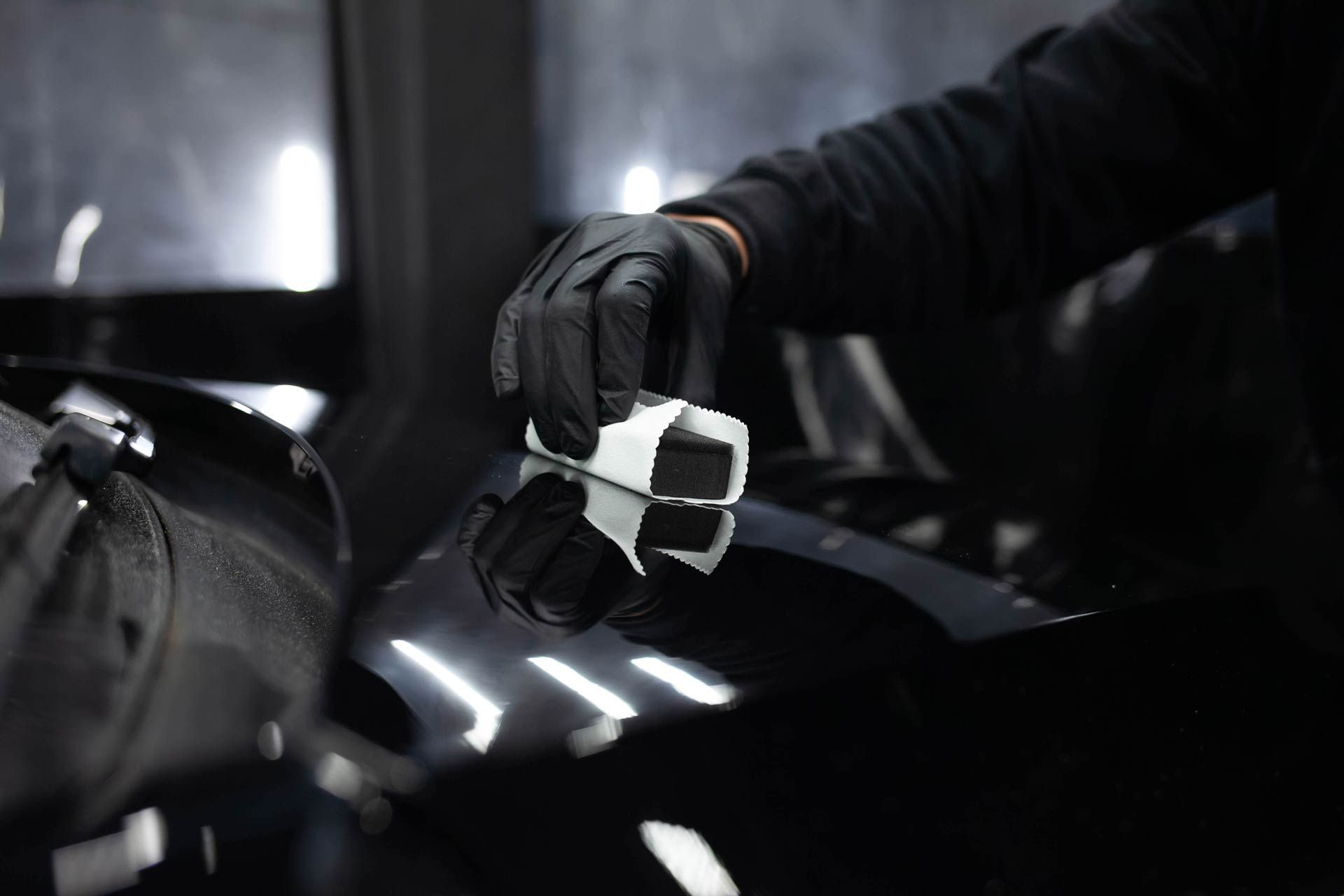
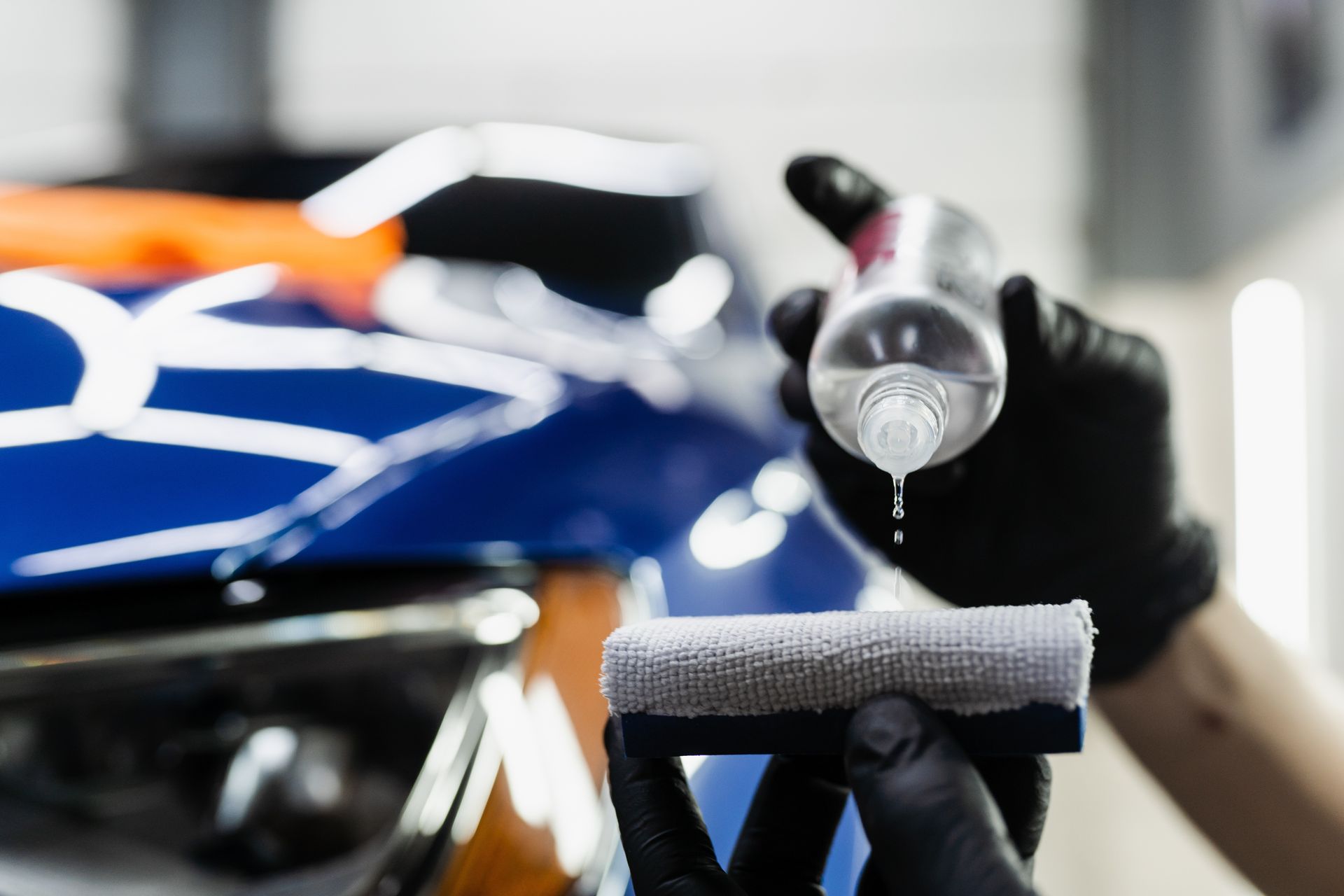
After installation, maintaining the film is relatively simple. Routine care includes washing your car regularly with pH-neutral soap and soft microfiber cloths. Avoid using abrasive materials that could damage the film’s surface. Additionally, applying a ceramic coating over the PPF adds another layer of protection and enhances both durability and visual appeal.
Professional inspections are recommended annually to ensure the film is still securely adhered to the car’s surface. Any signs of bubbling, yellowing, or other wear can be addressed before they become significant problems.
Beyond Fading: Additional Benefits of PPF
PPF offers more than just protection against fading. One of its most remarkable features is its ability to self-heal minor scratches. This is especially beneficial for car owners who drive frequently and may encounter hazards such as stone chips, bug splatter, or road debris. The self-healing properties reduce the need for frequent touch-ups, helping to maintain the vehicle’s pristine appearance.
PPF also protects your car from physical hazards like road debris, bug splatter, and scratches from car washes. It acts as a shock absorber for small stones and protects delicate finishes from abrasion, making it especially valuable for drivers who frequently encounter gravel or rough pavement.
Another significant advantage is that PPF helps preserve the resale value of your vehicle. Cars with well-maintained PPF typically retain their shine and structural integrity much longer than untreated vehicles. This can increase resale or trade-in value, as buyers often pay a premium for cars that look newer and require less immediate upkeep.
Is PPF Right for Your Car?
When deciding if PPF is right for your vehicle, consider your driving environment and the type of car you own. If your daily routes expose your car to harsh weather, frequent gravel roads, or heavy traffic, PPF can protect your vehicle from paint chips and scratches. If you mostly drive on smooth streets and park indoors, the risk of damage is lower, but protection can still be beneficial.
Luxury vehicles or those with glossy finishes, limited-edition models, or high repair costs can benefit from PPF to maintain their value and appearance. For everyday commuter cars, the decision may come down to balancing the cost of installation with the long-term benefits of protection.
Protect Your Car’s Paint with PPF Today!
Investing in Paint Protection Film is a smart choice for anyone looking to protect their car’s paint and preserve its appearance. While the initial cost may seem high, the long-term benefits of PPF—including UV protection, reduced maintenance, and improved resale value—make it a worthwhile investment.
At
Vehicle Enhancement Inc., we specialize in providing expert advice and premium PPF solutions tailored to your needs. Whether you’re looking for partial coverage or a full-body wrap, we offer a range of options to keep your vehicle protected. Call us today at (937) 361-7993 or
schedule a free consultation to learn more about how PPF can benefit your car.