Invisible PPF Installation Mistakes Only Pros Can Spot: How to Avoid Common Errors
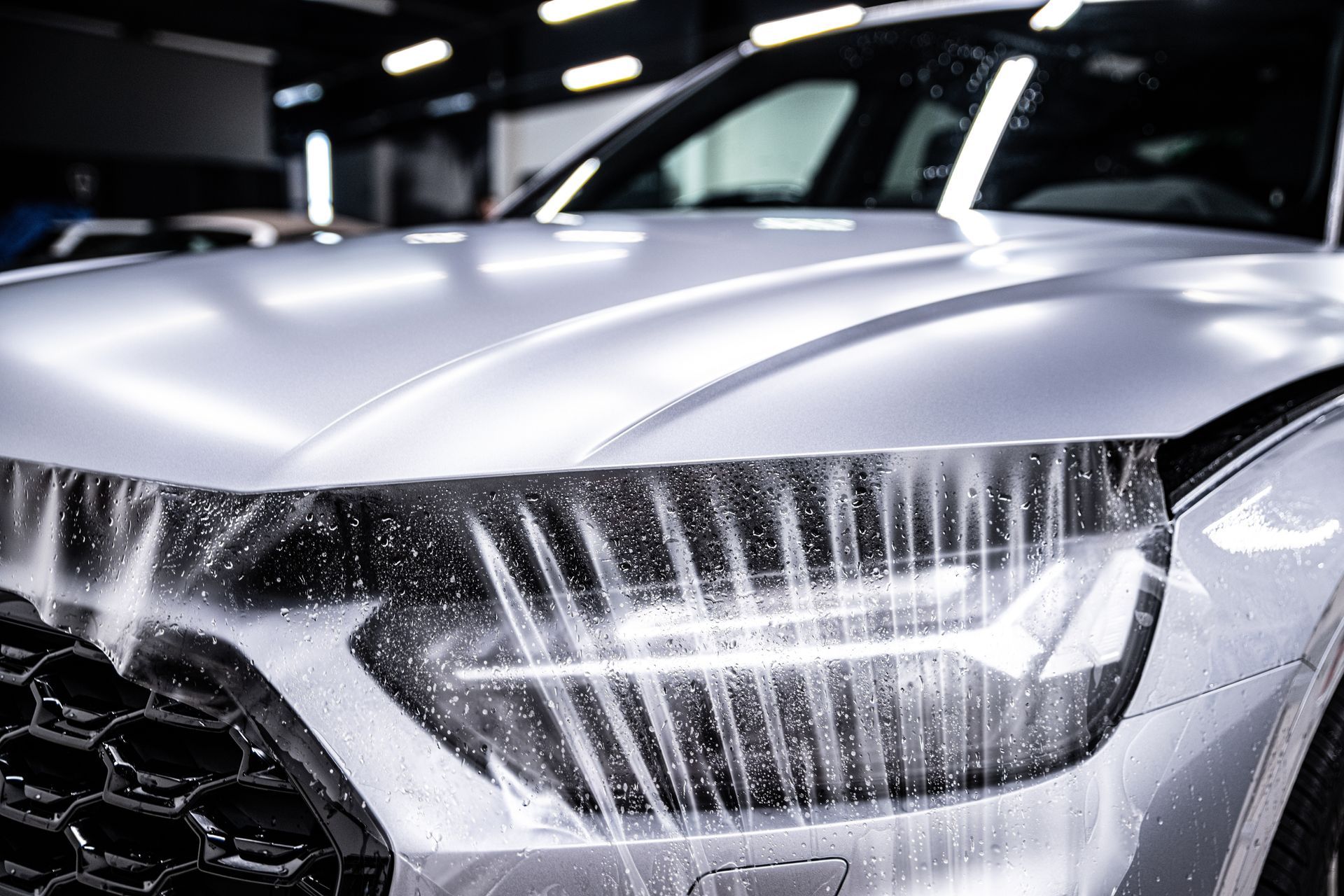
Paint Protection Film (PPF) is one of the best ways to protect your vehicle’s paint from rock chips, road debris, and harsh weather conditions. When installed correctly, it provides a smooth, nearly invisible shield that helps preserve your vehicle’s finish and resale value.
However, not all PPF installations are created equal. Some mistakes are so subtle that most drivers will not notice them right away, but professionals can spot them immediately. These hidden issues can lead to poor adhesion, bubbling, premature peeling, and long-term damage to the paint beneath the film.
At
Vehicle Enhancement Inc., we help vehicle owners in Dayton, Miamisburg, Oakwood, Kettering, Springboro, Centerville, and Beavercreek protect their vehicles with high-quality, professional PPF installation. Below are the most common installation mistakes that only experienced installers tend to catch and how you can avoid them.
Why Proper PPF Installation Matters
PPF is designed to bond tightly to your paint and remain stable for years. When installation is rushed or done in the wrong environment, the film may not adhere properly. In many cases, a bad installation looks fine at first. Weeks later, the problems start to appear.
The truth is that PPF is not just about the material. It is about the preparation, technique, and experience behind the application. A professional installation protects your paint and also prevents the film itself from becoming a problem.
Common PPF Installation Mistakes That Pros Notice Immediately
1. Poor Surface Preparation
The most common cause of PPF failure is improper preparation. Even tiny particles on the surface can create visible bumps under the film. Grease, wax, or polishing oils can interfere with bonding and cause edges to lift over time.
Signs of poor prep include:
- Tiny raised dots that feel gritty
- Film that looks slightly uneven in bright sunlight
- Edges that start to peel within a few weeks
How to avoid it:
A professional installer should fully wash, decontaminate, and prep the paint before installation. In many cases, paint correction is recommended to remove swirl marks or scratches before sealing them under the film.
2. Misalignment and Poor Panel Coverage
PPF should be aligned precisely so it covers the intended areas without leaving gaps. Poor placement can expose paint along edges, corners, or high-impact zones, which defeats the purpose of the film.
Misalignment often happens when the installer rushes the placement process or uses poor-quality templates. In some cases, the film may appear straight at first glance, but professionals can spot uneven edges and inconsistent coverage.
How to avoid it:
Ask whether the shop uses high-quality pattern software, custom trimming, or plotter-cut templates. A skilled technician should ensure consistent coverage and clean alignment across every panel.
3. Stretch Marks and Film Distortion
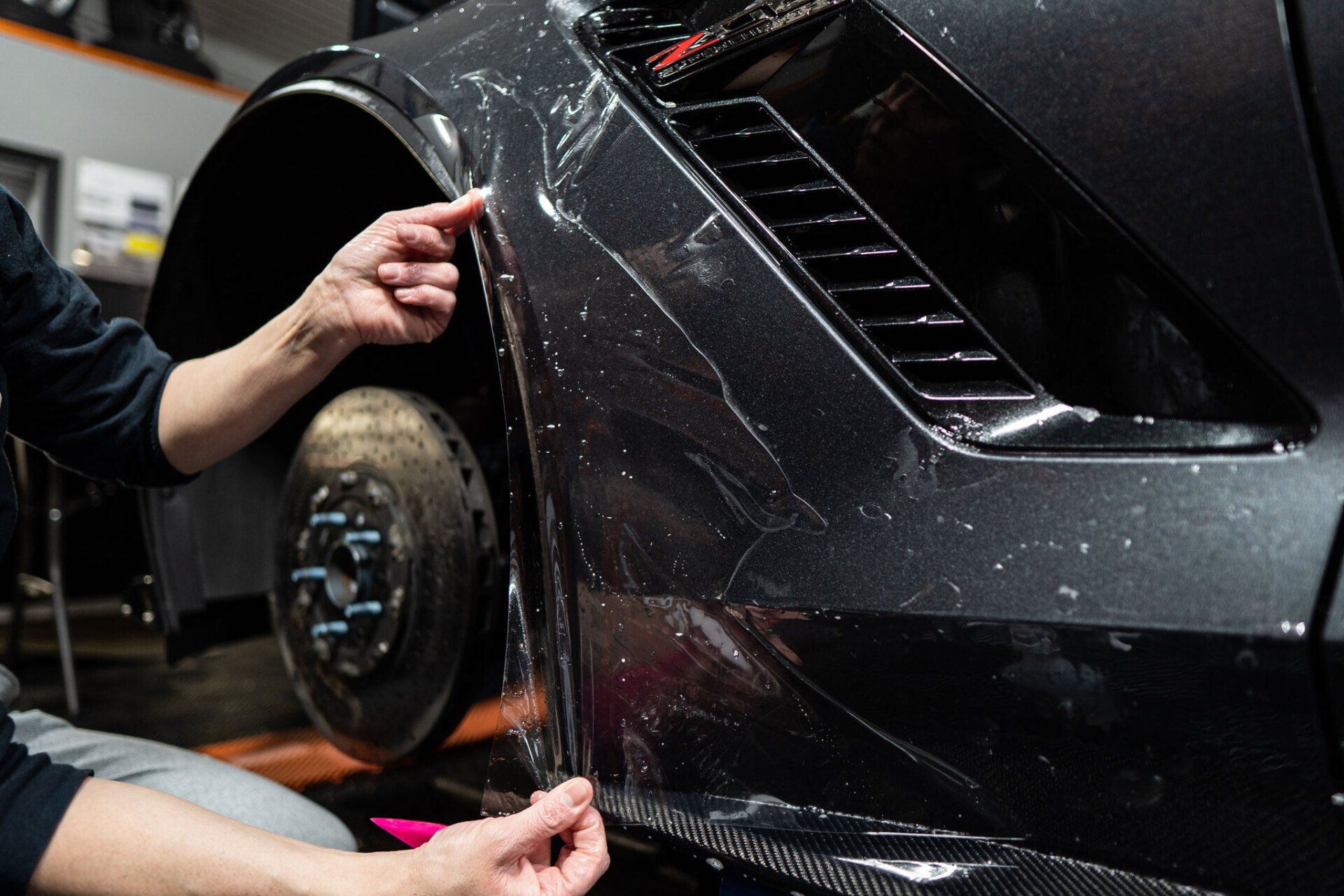
PPF is flexible, but excessive stretching can weaken it and create distortion in the film’s finish. When installers stretch film too aggressively around curves and corners, it can cause thinning, visible texture changes, or discoloration over time.
Common problem areas include:
- Front bumper contours
- Side mirrors
- Fender edges and wheel arches
How to avoid it:
Look for a shop that uses proper technique and heat control, especially on complex panels. Professional installers know how to manipulate the film without overworking it or damaging its structure.
4. Bubbles, Wrinkles, and Trapped Moisture
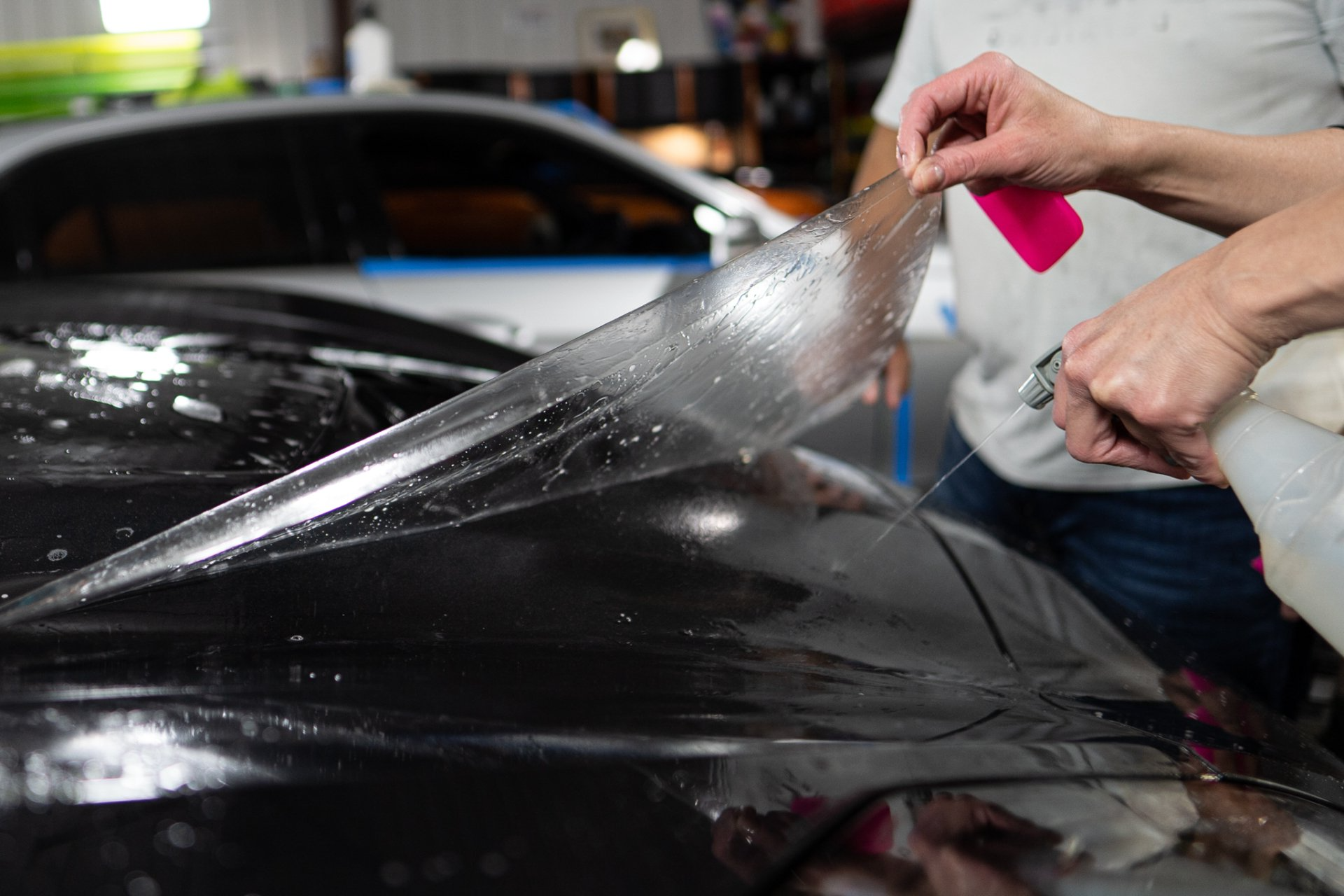
Small bubbles or wrinkles can appear shortly after installation and sometimes disappear during curing. However, certain bubbles are a sign of poor installation and will not go away. Trapped moisture or air can lead to cloudiness, lifting, and contamination under the film.
Professional installers can identify:
- bubbles caused by dirt versus curing moisture
- wrinkles created by poor squeegee technique
- signs of adhesive failure beneath the surface
How to avoid it:
Installation should be performed in a clean, controlled environment. If the shop is installing PPF in a dusty space, it increases the risk of trapped contamination and long-term bubbling.
5. Edge Lift and Poor Trimming
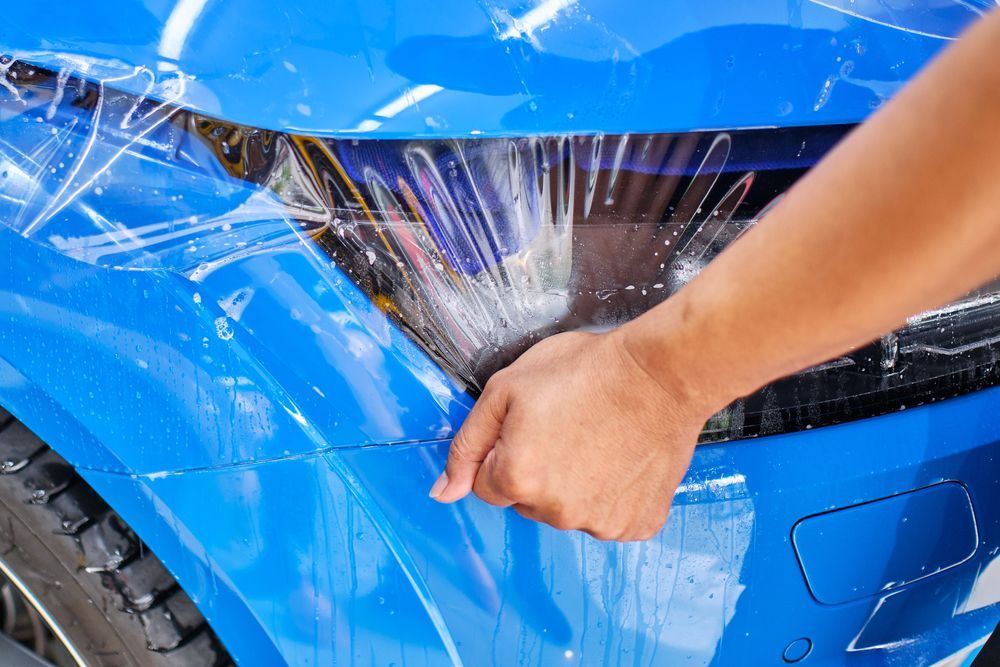
One of the most visible signs of a low-quality installation is edges that lift, curl, or fray. This can happen when the film is not properly wrapped or when edges are not sealed correctly.
A bigger concern is unsafe trimming. Some installers cut film directly on the vehicle with a blade and accidentally score the clear coat. These scratches may not be noticed until the film is removed later.
How to avoid it:
Choose a shop that uses safe trimming practices and proper edge wrapping whenever possible. At Vehicle Enhancement Inc., we prioritize clean edges and safe installation methods to protect your finish during and after application.
Adhesive and Application Problems That Can Shorten Film Life
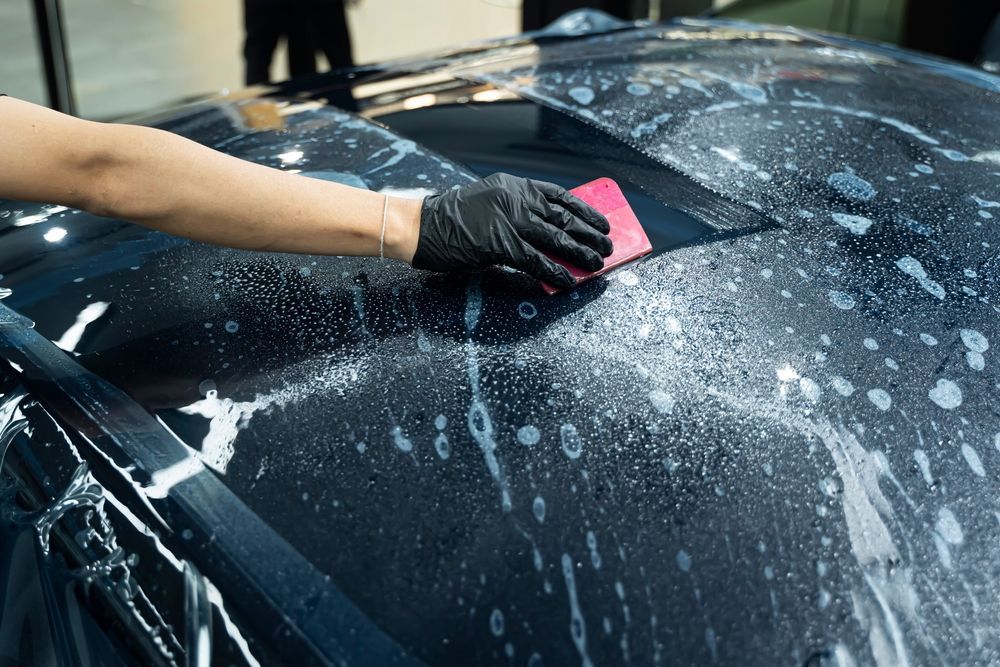
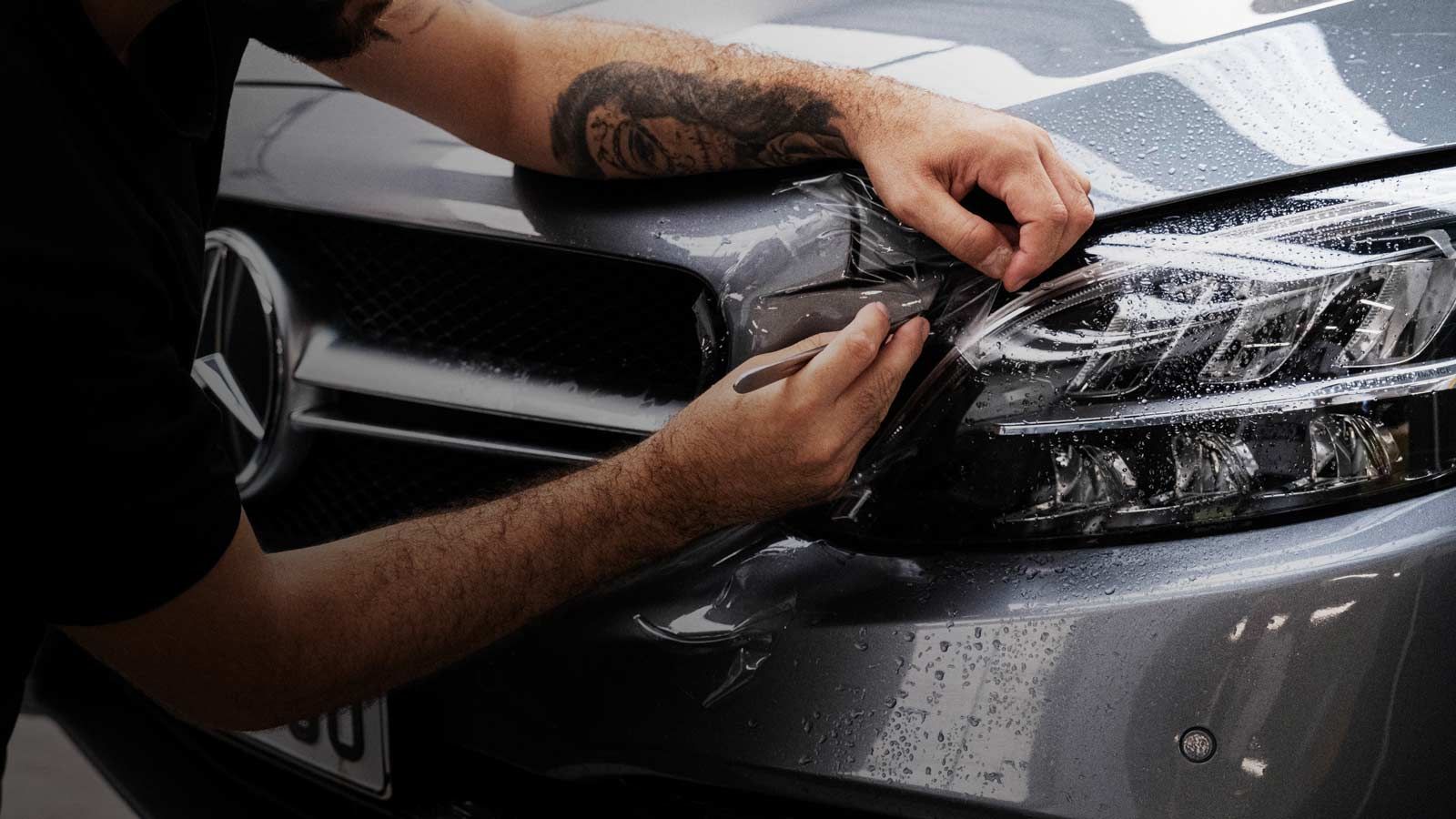
Even premium film can fail if the adhesive is mishandled. Poor slip solution ratios, incorrect tack solution use, or improper squeegee technique can lead to adhesion problems.
Issues pros look for include:
- cloudy adhesive patterns (sometimes called “silvering”)
- inconsistent bonding in recessed areas
- adhesive lines caused by uneven pressure
How to avoid it:
Experienced installers know how to manage solutions and work film properly without creating adhesive haze or stretch marks. Professional technique makes the difference between a flawless finish and a short-term install.
Why DIY PPF Installs Often Fail
DIY kits have become more popular, but most DIY installations run into the same problems. Without professional tools, clean-room conditions, or experience, it is extremely difficult to apply film without contamination, air pockets, and misalignment.
Many vehicle owners in Dayton come to Vehicle Enhancement Inc. after attempting a DIY install. In most cases, the film has to be removed and replaced because the adhesive has trapped contaminants or the film is damaged beyond repair.
If you want PPF to look clean and last for years, professional installation is the smartest option.
Why Dayton Drivers Need PPF Done Right
In the Dayton area, vehicles face real environmental wear. Highway commuting, seasonal road debris, and winter conditions can take a toll on paint.
For drivers in Kettering, Beavercreek, Centerville, and Springboro, proper installation matters even more because:
- road salt and winter grime can compromise poor edges
- gravel and debris increase rock chip risk
- heat and humidity can worsen adhesion issues if film is installed improperly
A well-installed film gives you long-term protection and a cleaner look. A bad install can create frustration and cost more to fix later.
Want Even More Protection? Consider Ceramic Coating and Paint Correction
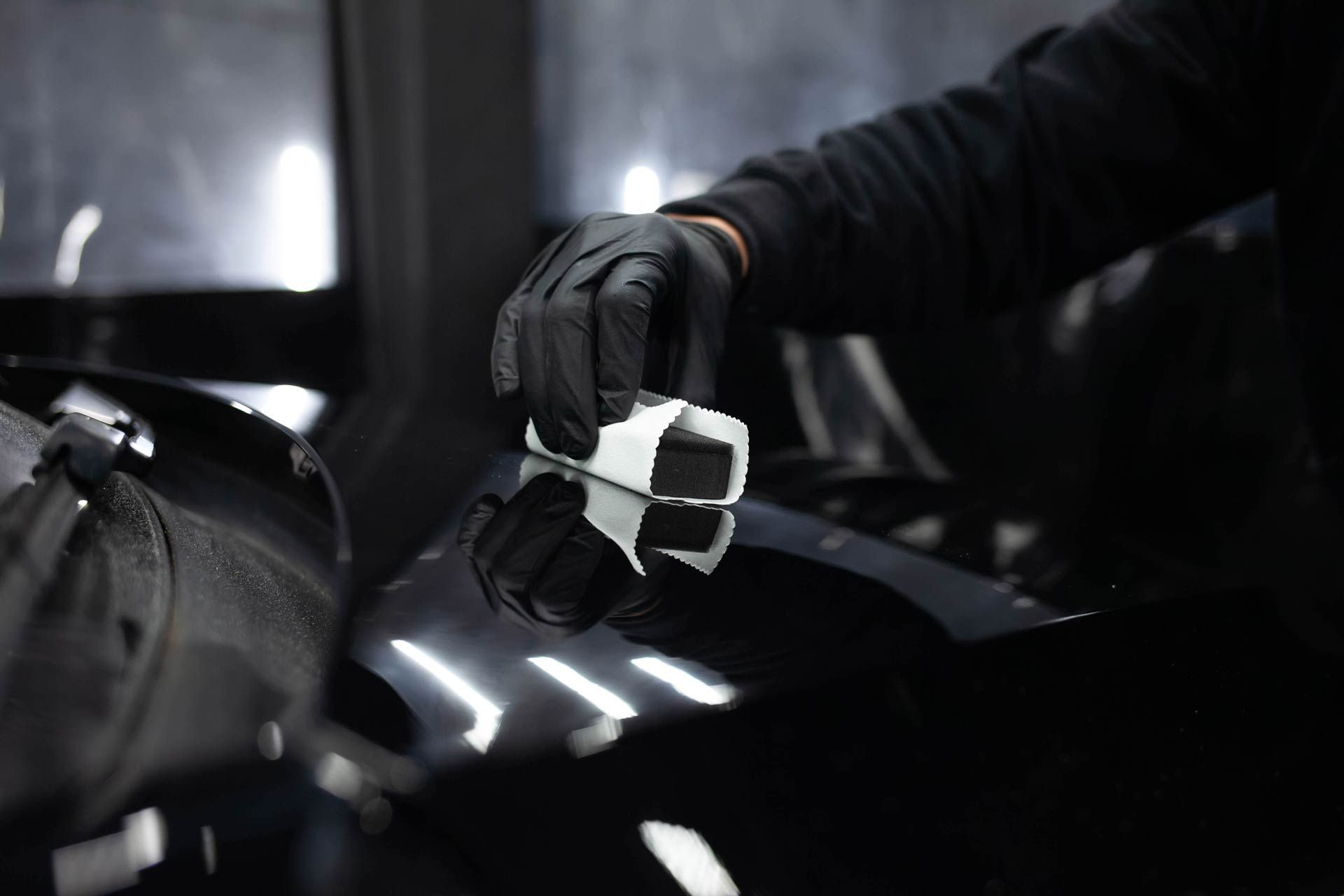
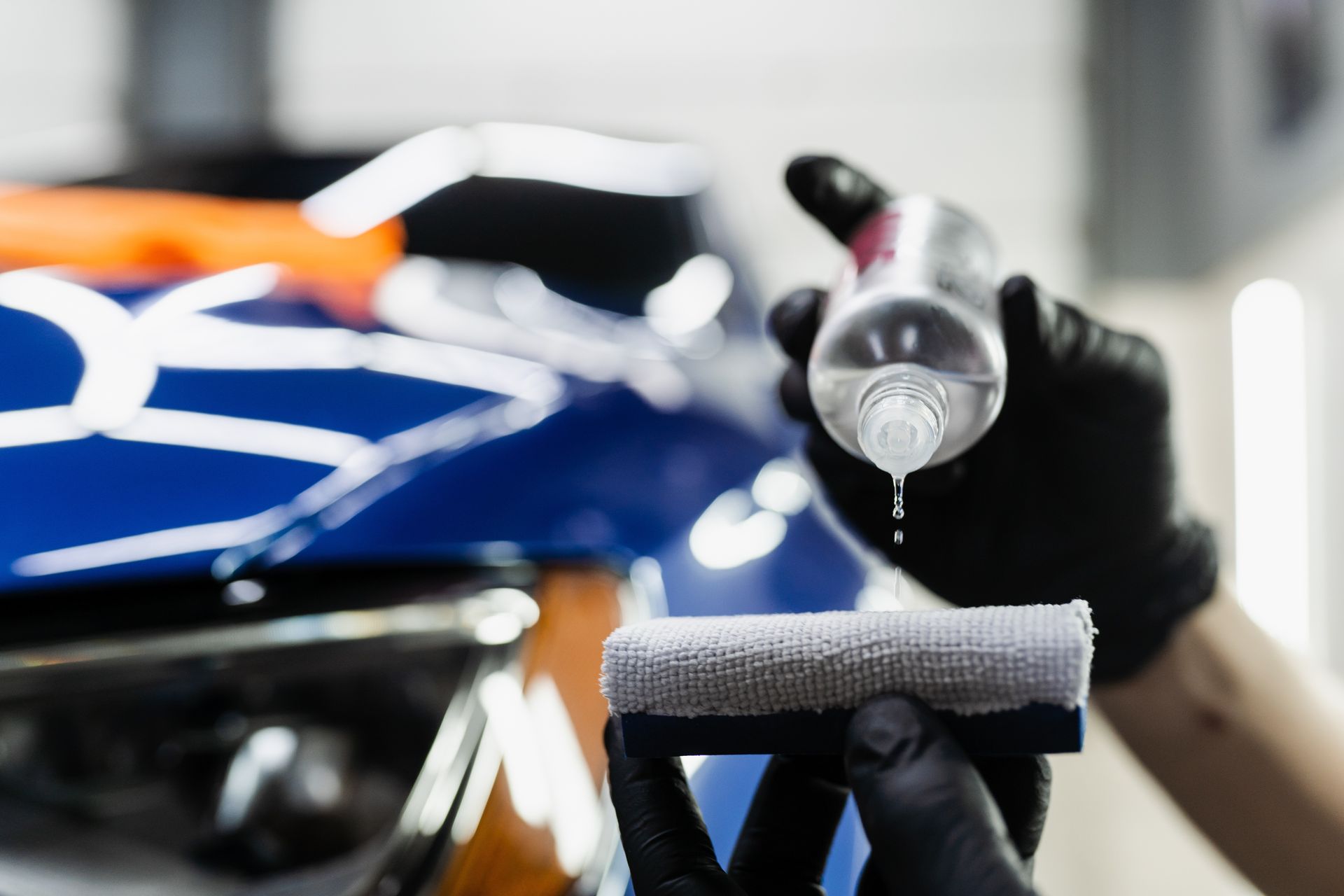
PPF is excellent for impact protection, especially on high-risk areas like the front bumper, hood, and fenders. For full-surface defense and easier maintenance, many drivers also pair PPF with ceramic coating.
Ceramic coating can:
- improve gloss
- add hydrophobic protection
- reduce dirt buildup
- make washing easier
If your paint has swirl marks or light scratches, paint correction is often recommended before installing PPF or ceramic coating. This ensures the finish looks its best before protection is applied.
Trust Vehicle Enhancement Inc. for Professional PPF Installation in Dayton
Choosing the right shop is just as important as choosing the right film. When you work with Vehicle Enhancement Inc., you get expert installation, proven techniques, and a team that understands what it takes to deliver long-lasting results.
We proudly serve:
- Dayton
- Miamisburg
- Oakwood
- Kettering
- Springboro
- Centerville
- Beavercreek
If you are considering PPF or want a professional opinion on an existing installation, we are here to help.
Call
Vehicle Enhancement Inc. today at
(937) 361-7993